

Ford EDDB
Zetec series engines are reliable, but do not tolerate bad gasoline.
The Ford Focus is a compact class car from the manufacturer Ford. Start of production – 1998. Since 2010, the 3rd generation of the model has been produced. The car is manufactured in the USA, Germany and Russia. Since its release, about 0.5 million Focus units have been sold on the Russian market. In 2010, Focus took the leading position in sales among foreign cars in Russia, and in Europe it practically does not leave the top ten best-selling cars. Previous generations of the model were also manufactured in Spain, Argentina, China, Taiwan, South Africa and the Philippines.
The Ford Focus was offered with 49 engines between 1998 and 2025 (13 diesel, 36 petrol). Displacement ranges from 1.0 to 2.5 liters, power output from 75 to 350 hp. 22 use a timing chain and 37 a timing belt. 29 are turbocharged. The longest rated lifespan belongs to the Ford EDDC (about 400,000 km).
| Engine | Years | Volume | Power | Fuel | Timing | Oil | Lifespan |
|---|---|---|---|---|---|---|---|
| Ford Focus Mk1 1998–2005 | |||||||
| Ford EYDB | 1998–2004 | 1.8 L R4 | 115 hp | petrol | belt | 4.3 L | ~320,000 km |
| Ford EYDC | 1998–2004 | 1.8 L R4 | 115 hp | petrol | belt | 4.3 L | ~350,000 km |
| Ford EDDB | 1998–2004 | 2.0 L R4 | 131 hp | petrol | belt | 4.3 L | ~350,000 km |
| Ford EDDC | 1998–2004 | 2.0 L R4 | 131 hp | petrol | belt | 4.3 L | ~400,000 km |
| Ford FYDA/FYDB/FYDC | 1998–2004 | 1.6 L R4 | 100 hp | petrol | belt | 4.25 L | ~300,000 km |
| Ford BHDA/BHDB | 1999–2004 | 1.8 L R4 | 75 hp | diesel, turbo | chain + belt | 5.65 L | ~275,000 km |
| Ford C9DA/C9DB/C9DC | 1999–2004 | 1.8 L R4 | 90 hp | diesel, turbo | chain + belt | 5.75 L | ~300,000 km |
| Ford CDDA | 2002–2005 | 1.6 L R4 | 98 hp | petrol | chain | 4.1 L | ~320,000 km |
| Ford FFDA | 2002–2004 | 1.8 L R4 | 100 hp | diesel, turbo | chain + belt | 5.65 L | ~275,000 km |
| Ford Focus USA Mk1 2000–2004 | |||||||
| Ford YS4E | 2000–2004 | 2.0 L R4 | 111 hp | petrol | belt | 3.8 L | ~240,000 km |
| Ford Focus RS Mk1 2002–2003 | |||||||
| Ford HMDA | 2002–2003 | 2.0 L R4 | 215 hp | petrol, turbo | belt | 4.3 L | ~250,000 km |
| Ford Focus ST Mk1 2002–2004 | |||||||
| Ford ALDA | 2002–2004 | 2.0 L R4 | 173 hp | petrol | belt | 4.35 L | ~275,000 km |
| Ford Focus Mk2 2004–2011 | |||||||
| Ford QQDB/QQDA | 2004–2011 | 1.8 L R4 | 125 hp | petrol | chain | 4.3 L | ~350,000 km |
| Ford HWDA | 2004–2008 | 1.6 L R4 | 100 hp | petrol | belt | 4.1 L | ~320,000 km |
| Ford ASDA | 2004–2010 | 1.4 L R4 | 80 hp | petrol | belt | 3.8 L | ~250,000 km |
| Ford AODA | 2004–2011 | 2.0 L R4 | 145 hp | petrol | chain | 4.3 L | ~340,000 km |
| Ford HXDA | 2004–2008 | 1.6 L R4 | 115 hp | petrol | belt | 4.1 L | ~300,000 km |
| Ford G8DA/G8DB | 2004–2010 | 1.6 L R4 | 109 hp | diesel, turbo | chain + belt | 3.85 L | ~225,000 km |
| Ford 1.6 TDCi | 2004–2011 | 1.6 L R4 | 75–109 hp | diesel, turbo | chain + belt | 3.8 L | ~350,000 km |
| Ford GPDA/GPDC | 2005–2010 | 1.6 L R4 | 90 hp | diesel, turbo | chain + belt | 3.8 L | ~220,000 km |
| Ford KKDA/KKDB | 2005–2011 | 1.8 L R4 | 115 hp | diesel, turbo | chain + belt | 5.75 L | ~260,000 km |
| Ford SIDA | 2008–2011 | 1.6 L R4 | 115 hp | petrol | belt | 4.1 L | ~260,000 km |
| Ford SHDA/SHDB | 2008–2011 | 1.6 L R4 | 100 hp | petrol | belt | 4.1 L | ~330,000 km |
| Ford Focus ST Mk2 2005–2010 | |||||||
| Ford HYDA | 2005–2010 | 2.5 L R5 | 225 hp | petrol, turbo | belt | 5.75 L | ~400,000 km |
| Ford Focus RS Mk2 2009–2010 | |||||||
| Ford JZDA | 2009–2010 | 2.5 L R5 | 305–350 hp | petrol, turbo | belt | 5.9 L | ~300,000 km |
| Ford Focus Mk3 2010–2019 | |||||||
| Ford IQDB | 2010–2019 | 1.6 L R4 | 105 hp | petrol | belt | 4.05 L | ~330,000 km |
| Ford PNDA | 2010–2019 | 1.6 L R4 | 125 hp | petrol | belt | 4.1 L | ~350,000 km |
| Ford JQDA | 2010–2014 | 1.6 L R4 | 150 hp | petrol, turbo | belt | 4.1 L | ~250,000 km |
| Ford XQDA | 2011–2018 | 2.0 L R4 | 150 hp | petrol | chain | 4.3 L | ~300,000 km |
| Ford XTDA | 2011–2018 | 1.6 L R4 | 85 hp | petrol | belt | 4.1 L | ~300,000 km |
| Ford M1DA | 2012–2018 | 1.0 L R3 | 125 hp | petrol, turbo | belt | 4.1 L | ~220,000 km |
| Ford M2DA | 2012–2018 | 1.0 L R3 | 100 hp | petrol, turbo | belt | 4.1 L | ~250,000 km |
| Ford M8DA | 2014–2019 | 1.5 L R4 | 150 hp | petrol, turbo | belt | 4.1 L | ~240,000 km |
| Ford M9DA | 2014–2018 | 1.5 L R4 | 182 hp | petrol, turbo | belt | 4.1 L | ~220,000 km |
| Ford 1.5 TDCi | 2014–2018 | 1.5 L R4 | 75–120 hp | diesel, turbo | belt | 3.85 L | ~300,000 km |
| Ford Focus RS500 Mk2 2010 | |||||||
| Ford JZDA | 2010 | 2.5 L R5 | 305–350 hp | petrol, turbo | belt | 5.9 L | ~300,000 km |
| Ford Focus Mk3 ST 2012–2015 | |||||||
| Ford R9DA | 2012–2015 | 2.0 L R4 | 249 hp | petrol, turbo | chain | 5.6 L | ~200,000 km |
| Ford Focus Mk3 RS 2016–2018 | |||||||
| Ford YVDA | 2016–2018 | 2.3 L R4 | 350 hp | petrol, turbo | chain | 5.65 L | ~200,000 km |
| Ford Focus 4 (C519) 2018–2025 | |||||||
| Ford Y2DA | 2018–2025 | 1.5 L R3 | 123 hp | petrol | belt | 3.65 L | ~250,000 km |
| Ford YZDA | 2018–2025 | 1.5 L R3 | 150 hp | petrol, turbo | chain | 5.25 L | ~250,000 km |
| Ford Y1DA | 2018–2025 | 1.5 L R3 | 182 hp | petrol, turbo | chain | 5.25 L | ~250,000 km |
| Ford B3DA | 2018–2022 | 1.0 L R3 | 100 hp | petrol, turbo | chain | 4.6 L | ~250,000 km |
| Ford B7DA | 2018–2025 | 1.0 L R3 | 125 hp | petrol, turbo | chain | 4.6 L | ~250,000 km |
| Ford Z2DA | 2018–2021 | 1.5 L R4 | 95 hp | diesel, turbo | chain + belt | 4 L | ~300,000 km |
| Ford ZTDA | 2018–2022 | 1.5 L R4 | 120 hp | diesel, turbo | chain + belt | 4 L | ~300,000 km |
| Ford YLDA | 2018–2021 | 2.0 L R4 | 150 hp | diesel, turbo | belt | 6.4 L | ~250,000 km |
| Ford M0DC | 2020–2025 | 1.0 L R3 | 155 hp | petrol, turbo | chain | 4.6 L | ~250,000 km |
| Ford R0DB | 2021–2025 | 1.0 L R3 | 125 hp | petrol, turbo | chain | 4.6 L | ~250,000 km |
| Ford Y9DA | 2022–2025 | 1.5 L R4 | 115 hp | diesel, turbo | chain + belt | 6.2 L | ~300,000 km |
| Ford Focus 4 ST (C519) 2019–2021 | |||||||
| Ford BCDA | 2019–2021 | 2.0 L R4 | 190 hp | diesel, turbo | belt | 6.4 L | ~250,000 km |
Ford Focus Mk1 (1998–2005): Ford EYDB, Ford EYDC, Ford EDDB, Ford EDDC, Ford FYDA/FYDB/FYDC, Ford BHDA/BHDB, Ford C9DA/C9DB/C9DC, Ford CDDA and Ford FFDA; Ford Focus USA Mk1 (2000–2004): Ford YS4E; Ford Focus RS Mk1 (2002–2003): Ford HMDA; Ford Focus ST Mk1 (2002–2004): Ford ALDA; Ford Focus Mk2 (2004–2011): Ford QQDB/QQDA, Ford HWDA, Ford ASDA, Ford AODA, Ford HXDA, Ford G8DA/G8DB, Ford 1.6 TDCi, Ford GPDA/GPDC, Ford KKDA/KKDB, Ford SIDA and Ford SHDA/SHDB; Ford Focus ST Mk2 (2005–2010): Ford HYDA; Ford Focus RS Mk2 (2009–2010): Ford JZDA; Ford Focus Mk3 (2010–2019): Ford IQDB, Ford PNDA, Ford JQDA, Ford XQDA, Ford XTDA, Ford M1DA, Ford M2DA, Ford M8DA, Ford M9DA and Ford 1.5 TDCi; Ford Focus RS500 Mk2 (2010): Ford JZDA; Ford Focus Mk3 ST (2012–2015): Ford R9DA; Ford Focus Mk3 RS (2016–2018): Ford YVDA; Ford Focus 4 (C519) (2018–2025): Ford Y2DA, Ford YZDA, Ford Y1DA, Ford B3DA, Ford B7DA, Ford Z2DA, Ford ZTDA, Ford YLDA, Ford M0DC, Ford R0DB and Ford Y9DA; Ford Focus 4 ST (C519) (2019–2021): Ford BCDA.
By rated service life the most durable Ford Focus engines are: Ford EDDC — about 400,000 km; Ford HYDA — about 400,000 km; Ford 1.6 TDCi — about 350,000 km. Actual lifespan depends heavily on maintenance and oil change intervals.
Engine oil capacity with filter: Ford 1.5 TDCi — 3.85 L (5W-30); Ford 1.6 TDCi — 3.8 L (5W-30); Ford ALDA — 4.35 L (5W-30); Ford AODA — 4.3 L (5W-30); Ford ASDA — 3.8 L (5W-30); Ford B3DA — 4.6 L (5W-20); Ford B7DA — 4.6 L (5W-20); Ford BCDA — 6.4 L (0W-30); Ford BHDA/BHDB — 5.65 L (5W-30); Ford C9DA/C9DB/C9DC — 5.75 L (5W-30); Ford CDDA — 4.1 L (5W-30); Ford EDDB — 4.3 L (5W-30); Ford EDDC — 4.3 L (5W-30); Ford EYDB — 4.3 L (5W-30); Ford EYDC — 4.3 L (5W-30); Ford FFDA — 5.65 L (5W-30); Ford FYDA/FYDB/FYDC — 4.25 L (5W-30); Ford G8DA/G8DB — 3.85 L (5W-30); Ford GPDA/GPDC — 3.8 L (5W-30); Ford HMDA — 4.3 L (5W-30); Ford HWDA — 4.1 L (5W-30); Ford HXDA — 4.1 L (5W-30); Ford HYDA — 5.75 L (5W-30); Ford IQDB — 4.05 L (5W-30); Ford JQDA — 4.1 L (5W-20); Ford JZDA — 5.9 L (5W-30); Ford KKDA/KKDB — 5.75 L (5W-30); Ford M0DC — 4.6 L (5W-20); Ford M1DA — 4.1 L (5W-20); Ford M2DA — 4.1 L (5W-20); Ford M8DA — 4.1 L (5W-20); Ford M9DA — 4.1 L (5W-20); Ford PNDA — 4.1 L (5W-30); Ford QQDB/QQDA — 4.3 L (5W-30); Ford R0DB — 4.6 L (5W-20); Ford R9DA — 5.6 L (5W-20); Ford SHDA/SHDB — 4.1 L (5W-30); Ford SIDA — 4.1 L (5W-30); Ford XQDA — 4.3 L (5W-30); Ford XTDA — 4.1 L (5W-30); Ford Y1DA — 5.25 L (5W-20); Ford Y2DA — 3.65 L (5W-20); Ford Y9DA — 6.2 L (0W-20); Ford YLDA — 6.4 L (0W-30); Ford YS4E — 3.8 L (5W-30); Ford YVDA — 5.65 L (5W-20); Ford YZDA — 5.25 L (5W-20); Ford Z2DA — 4 L (0W-20); Ford ZTDA — 4 L (0W-20).
Timing chain: Ford 1.6 TDCi, Ford AODA, Ford B3DA, Ford B7DA, Ford BHDA/BHDB, Ford C9DA/C9DB/C9DC, Ford CDDA, Ford FFDA, Ford G8DA/G8DB, Ford GPDA/GPDC, Ford KKDA/KKDB, Ford M0DC, Ford QQDB/QQDA, Ford R0DB, Ford R9DA, Ford XQDA, Ford Y1DA, Ford Y9DA, Ford YVDA, Ford YZDA, Ford Z2DA and Ford ZTDA; timing belt: Ford 1.5 TDCi, Ford 1.6 TDCi, Ford ALDA, Ford ASDA, Ford BCDA, Ford BHDA/BHDB, Ford C9DA/C9DB/C9DC, Ford EDDB, Ford EDDC, Ford EYDB, Ford EYDC, Ford FFDA, Ford FYDA/FYDB/FYDC, Ford G8DA/G8DB, Ford GPDA/GPDC, Ford HMDA, Ford HWDA, Ford HXDA, Ford HYDA, Ford IQDB, Ford JQDA, Ford JZDA, Ford KKDA/KKDB, Ford M1DA, Ford M2DA, Ford M8DA, Ford M9DA, Ford PNDA, Ford SHDA/SHDB, Ford SIDA, Ford XTDA, Ford Y2DA, Ford Y9DA, Ford YLDA, Ford YS4E, Ford Z2DA and Ford ZTDA. Belts must be replaced on schedule: on many engines a broken belt bends the valves.
Yes: Ford 1.5 TDCi, Ford 1.6 TDCi, Ford BCDA, Ford BHDA/BHDB, Ford C9DA/C9DB/C9DC, Ford FFDA, Ford G8DA/G8DB, Ford GPDA/GPDC, Ford KKDA/KKDB, Ford Y9DA, Ford YLDA, Ford Z2DA and Ford ZTDA.
Zetec series engines are reliable, but do not tolerate bad gasoline.

This engine is quite demanding on fuel quality.

Motors of the Zetec series are very reliable, but do not like low-quality gasoline.

On the old firmware, the motor power drops sharply when the air conditioner is turned on.

The power unit is quite demanding on fuel quality.

This diesel engine is demanding on fuel, but with good quality it runs without problems.

This diesel engine is not like its predecessors and, with good fuel quality, runs for a long time.

The only global engine problem is the valve seats falling into the cylinders.

The main problems of the engine are associated with the use of low-quality gasoline.

Some of the engines from the first batch turned out to be defective and quickly failed.

The Common Rail Delphi system does not like low-quality diesel fuel and you will have the main problems with it.

Most engine problems are somehow related to low-quality gasoline.

Often on engines of this line there is oil consumption due to the occurrence of rings.

The first batches of engines suffered from camshaft cam wear and chain stretching.

Power units of the Duratec series are quite reliable, but do not tolerate bad fuel.

Most of the problems for owners are caused by not very reliable phase regulators.


In the early years of the production of this diesel engine, the camshaft cams and the chain tensioner between the camshafts wore…

Due to the low power, this motor is twisted to high revs, which affects the resource.

Delphi's fuel-hungry Common Rail system will give you the most trouble.
At first, the engines suffered from camshaft wear and chain stretching between them.

The most common concern here is the crankcase ventilation system, or rather the PCV valve.

Duratec series engines are reliable but require good fuel.

In the early years of production, owners often encountered phase regulator failures.

There is not much information on the malfunctions of these rare motors on the Internet.

The main problem of the engine is dragging catalyst crumbs into the combustion chamber.

A recall campaign was announced for this motor due to the risk of fire.

This is a modern engine with an aluminum block and an open cooling jacket, and by 100,000 km the cylinders often go…

The direct fuel injection system here is very reliable and causes almost no problems.

The first years of production often encountered leaks from the valves of the phase control system.

The most widespread problem of these diesel engines is the breakdown of the turbocharger actuator. Also, the turbine often fails due to…

The structurally complex motor is very demanding on the quality of the oil used.

This engine is extremely demanding on the quality of the oil, use only the original.
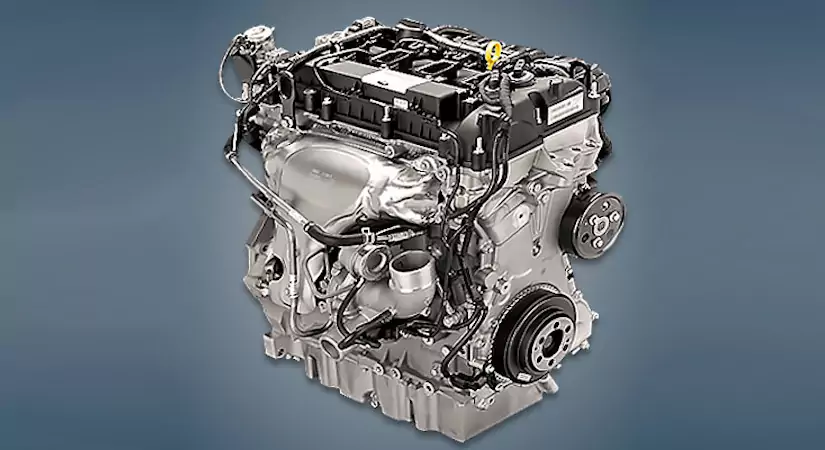
Charged Ford Focus are rare and there is little information on their breakdowns.

The power units of this series are afraid of overheating, keep the radiators clean.

The most famous engine problem is the destruction of the piston of the second cylinder.

The most well-known problem with power units in this line is overheating.
This is a second-generation engine, and the main problems of the first 1.0 EcoBoost no longer apply.
This is a second-generation engine, and the main problems of the first 1.0 EcoBoost no longer apply.
Unlike the belt-driven engines of the series, this turbo engine is considered reliable.
The timing belt runs in the oil bath, so with infrequent oil changes the oil system quickly clogs with belt and wear…
The piezo injection system with 2000 bar pressure is very sensitive to diesel quality.
Unlike the belt-driven engines of the series, this turbo engine is considered reliable.
The weak point of these PSA-designed diesels is the short chain between the camshafts: it stretches, and if this is missed, it…
The weak point of these PSA-designed diesels is the short chain between the camshafts: it stretches, and if this is missed, it…
The piezo injection system with 2000 bar pressure is very sensitive to diesel quality.
This is a second-generation engine, and the main problems of the first 1.0 EcoBoost no longer apply.
This is a second-generation engine, and the main problems of the first 1.0 EcoBoost no longer apply.
This is an updated diesel, and the camshaft chain problem of the early engines does not affect it.