

Ford E5SA
This motor is quite voracious, but reliable and has virtually no weak points.
Ford Galaxy is a minivan class car of the Ford line. Began to be manufactured in 1995. The car has a large capacity and is designed to carry 7 people, has a front-wheel drive. Since 2015, the production of the 3rd generation of the model has been launched. The 1st generation cars were a joint project with Volkswagen and were assembled in Portugal. After 2000, the car was significantly modernized, the Volkswagen platform was no longer used as a base, and production in Portugal was closed.
The Ford Galaxy was offered with 15 engines between 2000 and 2021 (11 diesel, 4 petrol). Displacement ranges from 1.6 to 2.3 liters, power output from 75 to 240 hp. 9 use a timing chain and 11 a timing belt. 11 are turbocharged. The longest rated lifespan belongs to the Ford E5SA (about 400,000 km).
| Engine | Years | Volume | Power | Fuel | Timing | Oil | Lifespan |
|---|---|---|---|---|---|---|---|
| Ford Galaxy 1 (V191) 2000–2006 | |||||||
| Volkswagen AUY | 2000–2006 | 1.9 L R4 | 115 hp | diesel, turbo | belt | 4.3 L | ~330,000 km |
| Volkswagen ASZ | 2002–2006 | 1.9 L R4 | 130 hp | diesel, turbo | belt | 4.3 L | ~300,000 km |
| Ford Galaxy Mk1 2000–2006 | |||||||
| Ford ZVSA | 2000–2006 | 2.0 L R4 | 115 hp | petrol | chain | 4.5 L | ~300,000 km |
| Ford E5SA | 2000–2006 | 2.3 L R4 | 145 hp | petrol | chain | 4.3 L | ~400,000 km |
| Ford Galaxy Mk2 2006–2015 | |||||||
| Ford AOWA | 2006–2015 | 2.0 L R4 | 145 hp | petrol | chain | 4.3 L | ~360,000 km |
| Ford SEWA | 2006–2015 | 2.3 L R4 | 161 hp | petrol | chain | 4.3 L | ~375,000 km |
| Ford QYWA | 2006–2012 | 1.8 L R4 | 125 hp | diesel, turbo | chain + belt | 5.7 L | ~250,000 km |
| Ford QXWA/QXWB | 2006–2015 | 2.0 L R4 | 140 hp | diesel, turbo | chain + belt | 5.5 L | ~400,000 km |
| Ford 2.2 TDCi | 2008–2015 | 2.2 L R4 | 175 hp | diesel, turbo | chain + belt | 5.9 L | ~375,000 km |
| Ford KNWA | 2010–2015 | 2.2 L R4 | 200 hp | diesel, turbo | chain + belt | 6 L | ~350,000 km |
| Ford 1.6 TDCi | 2010–2015 | 1.6 L R4 | 75–109 hp | diesel, turbo | chain + belt | 3.8 L | ~350,000 km |
| Ford Galaxy 3 (CD390) 2018–2021 | |||||||
| Ford YNCA | 2018–2019 | 2.0 L R4 | 120 hp | diesel, turbo | belt | 6.4 L | ~250,000 km |
| Ford YMCB | 2018–2021 | 2.0 L R4 | 150 hp | diesel, turbo | belt | 6.4 L | ~250,000 km |
| Ford BCCC | 2018–2021 | 2.0 L R4 | 190 hp | diesel, turbo | belt | 6.4 L | ~250,000 km |
| Ford YLCB | 2018–2020 | 2.0 L R4 | 240 hp | diesel, turbo | belt | 7 L | ~250,000 km |
Ford Galaxy 1 (V191) (2000–2006): Volkswagen AUY and Volkswagen ASZ; Ford Galaxy Mk1 (2000–2006): Ford ZVSA and Ford E5SA; Ford Galaxy Mk2 (2006–2015): Ford AOWA, Ford SEWA, Ford QYWA, Ford QXWA/QXWB, Ford 2.2 TDCi, Ford KNWA and Ford 1.6 TDCi; Ford Galaxy 3 (CD390) (2018–2021): Ford YNCA, Ford YMCB, Ford BCCC and Ford YLCB.
By rated service life the most durable Ford Galaxy engines are: Ford E5SA — about 400,000 km; Ford QXWA/QXWB — about 400,000 km; Ford 2.2 TDCi — about 375,000 km. Actual lifespan depends heavily on maintenance and oil change intervals.
Engine oil capacity with filter: Ford 1.6 TDCi — 3.8 L (5W-30); Ford 2.2 TDCi — 5.9 L (5W-30); Ford AOWA — 4.3 L (5W-30); Ford BCCC — 6.4 L (0W-30); Ford E5SA — 4.3 L (5W-30); Ford KNWA — 6 L (5W-30); Ford QXWA/QXWB — 5.5 L (5W-30); Ford QYWA — 5.7 L (5W-30); Ford SEWA — 4.3 L (5W-30); Ford YLCB — 7 L (0W-30); Ford YMCB — 6.4 L (0W-30); Ford YNCA — 6.4 L (0W-30); Ford ZVSA — 4.5 L (5W-30); Volkswagen ASZ — 4.3 L (5W-40); Volkswagen AUY — 4.3 L (5W-40).
Timing chain: Ford 1.6 TDCi, Ford 2.2 TDCi, Ford AOWA, Ford E5SA, Ford KNWA, Ford QXWA/QXWB, Ford QYWA, Ford SEWA and Ford ZVSA; timing belt: Ford 1.6 TDCi, Ford 2.2 TDCi, Ford BCCC, Ford KNWA, Ford QXWA/QXWB, Ford QYWA, Ford YLCB, Ford YMCB, Ford YNCA, Volkswagen ASZ and Volkswagen AUY. Belts must be replaced on schedule: on many engines a broken belt bends the valves.
Yes: Ford 1.6 TDCi, Ford 2.2 TDCi, Ford BCCC, Ford KNWA, Ford QXWA/QXWB, Ford QYWA, Ford YLCB, Ford YMCB, Ford YNCA, Volkswagen ASZ and Volkswagen AUY.
This motor is quite voracious, but reliable and has virtually no weak points.
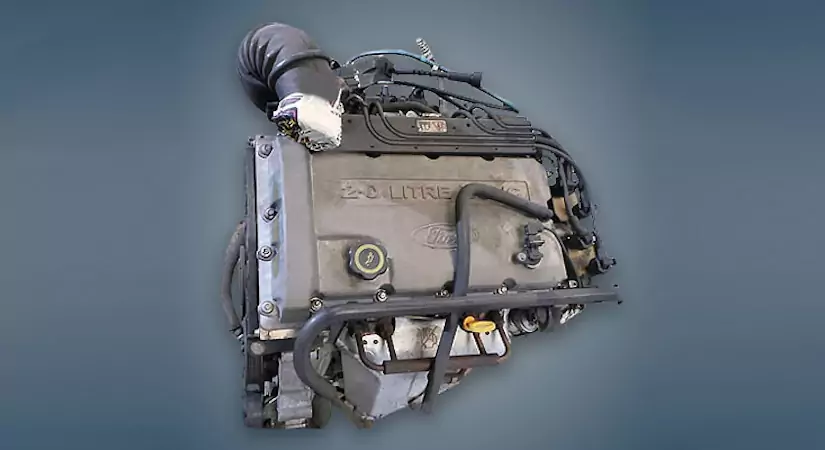
By the time of installation on Galaxy, the main problems of the internal combustion engine of this series were solved.

Saving on lubrication leads to rapid wear of the camshaft and hydraulic lifters.

The service life of this engine directly depends on the quality of the oil used.

In the early years of the production of this diesel engine, the camshaft cams and the chain tensioner between the camshafts wore…

A well-known problem of the engine is the oil burner due to the occurrence of oil scraper rings.

On engines of the first years of production, the chain between the camshafts was often stretched.

The main problems for the owners are delivered by the capricious Common Rail Delphi system.

The most common engine failures are the ignition system components and the fuel pump.

The main problems of this unit are typical for most modern diesel engines: piezo injectors do not tolerate bad fuel, the EGR…

Sophisticated fuel equipment with piezo injectors does not like bad fuel.

The piezo injection system with 2000 bar pressure is very sensitive to diesel quality.

The piezo injection system with 2000 bar pressure is very sensitive to diesel quality.

The piezo injection system with 2000 bar pressure is very sensitive to diesel quality.

The piezo injection system with 2000 bar pressure is very sensitive to diesel quality.