
Audi AEH
This is a simple and reliable motor, with proper maintenance it has a huge resource.
Seat Leon is a Spanish compact car, manufactured since 1998 by SEAT S.A. Since 2012, the 3rd generation of the model has been released. The car was assembled in Belgium and Spain. A car of 1-2 generations is based on the Volkswagen Group A platform, and the third one is based on the Volkswagen Group MQB. Since the launch of the Leon model, a total of about 1.8 million cars have been sold worldwide. At the same time, about 150 thousand cars are produced annually.

The engines were also Volkswagen: gasoline 1.4, 1.6 and 1.8 with power from 75 to 125 hp, as well as diesels and turbodiesels with a volume of 1.9 liters (68–150 hp). The powerful versions of the hatchback, called Cupra and Cupra R, were equipped with 1.8 petrol turbo engines in several boost options: 179, 209 or 224 hp. In addition, there was also a Seat Leon Cupra 4 with a VR6 2.8 engine (204 hp) and all-wheel drive.
The release of the first generation of “Leon” was completed in May 2006. In total, 514 thousand cars were made at factories in Spain and Belgium.

A wide range of engines included naturally aspirated 1.4, 1.6 and 2.0 FSI engines, as well as turbocharged engines of 1.2, 1.4, 1.8 and 2.0 liters. Their power ranged from 86 to 185 hp. Turbodiesels 1.9 TDI and 2.0 TDI developed from 105 to 170 hp. “Charged” versions of the Seat Leon FR, Leon Cupra, as well as small-scale special versions were equipped with a two-liter gasoline turbo engine, the output of which is 209–310 hp.
In 2009, the model underwent a barely noticeable restyling and was produced in this form until 2012. In total, about 700 thousand cars were produced.

The Seat Leon was offered with 80 engines since 1999 (51 petrol, 29 diesel). Displacement ranges from 1.0 to 2.0 liters, power output from 75 to 300 hp. 14 use a timing chain and 72 a timing belt. 63 are turbocharged. The longest rated lifespan belongs to the Volkswagen ALH (about 440,000 km).
| Engine | Years | Volume | Power | Fuel | Timing | Oil | Lifespan |
|---|---|---|---|---|---|---|---|
| Seat Leon 1 (1M) 1999–2006 | |||||||
| Volkswagen AGN | 1999–2000 | 1.8 L R4 | 125 hp | petrol | chain + belt | 4.5 L | ~330,000 km |
| Volkswagen AHF | 1999–2000 | 1.9 L R4 | 110 hp | diesel, turbo | belt | 4.3 L | ~400,000 km |
| Volkswagen APF | 1999–2000 | 1.6 L R4 | 100 hp | petrol | belt | 4.5 L | ~300,000 km |
| Volkswagen AKL | 1999–2000 | 1.6 L R4 | 101 hp | petrol | belt | 4.5 L | ~350,000 km |
| Audi AEH | 1999–2005 | 1.6 L R4 | 100 hp | petrol | belt | 4.5 L | ~350,000 km |
| Volkswagen ALH | 2000–2005 | 1.9 L R4 | 90 hp | diesel, turbo | belt | 4.3 L | ~440,000 km |
| Audi APG | 2000–2005 | 1.8 L R4 | 125 hp | petrol | chain + belt | 4.5 L | ~350,000 km |
| Volkswagen AZD | 2000–2006 | 1.6 L R4 | 105 hp | petrol | belt | 4.5 L | ~320,000 km |
| Volkswagen AUS | 2000–2005 | 1.6 L R4 | 105 hp | petrol | belt | 4.5 L | ~300,000 km |
| Volkswagen AXP | 2000–2004 | 1.4 L R4 | 75 hp | petrol | belt | 3.2 L | ~260,000 km |
| Volkswagen AUQ | 2001–2005 | 1.8 L R4 | 180 hp | petrol, turbo | chain + belt | 4.5 L | ~300,000 km |
| Volkswagen BCB | 2001–2006 | 1.6 L R4 | 105 hp | petrol | belt | 4.5 L | ~330,000 km |
| Volkswagen ASZ | 2003–2005 | 1.9 L R4 | 130 hp | diesel, turbo | belt | 4.3 L | ~300,000 km |
| Volkswagen BCA | 2003–2005 | 1.4 L R4 | 75 hp | petrol | belt | 3.2 L | ~280,000 km |
| Volkswagen BFQ | 2005–2006 | 1.6 L R4 | 102 hp | petrol | belt | 4.5 L | ~340,000 km |
| Seat Leon 2 (1P) 2005–2012 | |||||||
| Volkswagen BKD | 2005–2011 | 2.0 L R4 | 140 hp | diesel, turbo | belt | 4.3 L | ~300,000 km |
| Volkswagen BMM | 2005–2010 | 2.0 L R4 | 140 hp | diesel, turbo | belt | 4.3 L | ~280,000 km |
| Volkswagen BLS | 2005–2010 | 1.9 L R4 | 105 hp | diesel, turbo | belt | 4.3 L | ~300,000 km |
| Volkswagen BKC | 2005–2010 | 1.9 L R4 | 105 hp | diesel, turbo | belt | 3.8 L | ~320,000 km |
| Volkswagen BWA | 2005–2009 | 2.0 L R4 | 200 hp | petrol, turbo | chain + belt | 4.6 L | ~260,000 km |
| Volkswagen BVY | 2005–2009 | 2.0 L R4 | 150 hp | petrol | chain + belt | 4.6 L | ~250,000 km |
| Volkswagen BSF | 2005–2011 | 1.6 L R4 | 102 hp | petrol | belt | 4.5 L | ~350,000 km |
| Volkswagen BSE | 2005–2010 | 1.6 L R4 | 102 hp | petrol | belt | 4.5 L | ~400,000 km |
| Volkswagen BXE | 2006–2010 | 1.9 L R4 | 105 hp | diesel, turbo | belt | 3.8 L | ~275,000 km |
| Volkswagen BZB | 2007–2009 | 1.8 L R4 | 160 hp | petrol, turbo | chain | 4.6 L | ~300,000 km |
| Volkswagen CCZB | 2009–2012 | 2.0 L R4 | 211 hp | petrol, turbo | chain | 4.6 L | ~260,000 km |
| Volkswagen CDAA | 2009–2012 | 1.8 L R4 | 160 hp | petrol, turbo | chain | 4.6 L | ~250,000 km |
| Volkswagen CDL | 2009–2012 | 2.0 L R4 | 220–280 hp | petrol, turbo | chain + belt | ||
| Volkswagen CAYC | 2010–2012 | 1.6 L R4 | 105 hp | diesel, turbo | belt | 4.3 L | ~250,000 km |
| Volkswagen CBZB | 2010–2012 | 1.2 L R4 | 105 hp | petrol, turbo | chain | 3.8 L | ~240,000 km |
| Volkswagen CGGB | 2010–2012 | 1.4 L R4 | 86 hp | petrol | belt | 3.2 L | ~250,000 km |
| Volkswagen CFHC | 2010–2012 | 2.0 L R4 | 140 hp | diesel, turbo | belt | 4.3 L | ~320,000 km |
| Seat Leon 3 (5F) 2012–2020 | |||||||
| Volkswagen CMBA | 2012–2014 | 1.4 L R4 | 122 hp | petrol, turbo | belt | 3.8 L | ~250,000 km |
| Volkswagen CJZA | 2012–2014 | 1.2 L R4 | 105 hp | petrol, turbo | belt | 3.8 L | ~240,000 km |
| Volkswagen CHPA | 2012–2014 | 1.4 L R4 | 140 hp | petrol, turbo | belt | 3.8 L | ~240,000 km |
| Volkswagen CJZB | 2012–2018 | 1.2 L R4 | 86 hp | petrol, turbo | belt | 3.8 L | ~250,000 km |
| Audi CLHA | 2012–2015 | 1.6 L R4 | 105 hp | diesel, turbo | belt | 4.7 L | ~300,000 km |
| Volkswagen CKFC | 2012–2015 | 2.0 L R4 | 150 hp | diesel, turbo | belt | 4.7 L | ~300,000 km |
| Audi CJSB | 2013–2018 | 1.8 L R4 | 180 hp | petrol, turbo | chain | 5.2 L | ~250,000 km |
| Volkswagen CJSA | 2013–2018 | 1.8 L R4 | 180 hp | petrol, turbo | chain | 5.2 L | ~260,000 km |
| Volkswagen CXSA | 2013–2014 | 1.4 L R4 | 122 hp | petrol, turbo | belt | 3.8 L | ~260,000 km |
| Audi CRBC | 2013–2015 | 2.0 L R4 | 150 hp | diesel, turbo | belt | 4.7 L | ~300,000 km |
| Volkswagen CRVC | 2013–2020 | 2.0 L R4 | 143 hp | diesel, turbo | belt | 4.7 L | ~300,000 km |
| Volkswagen CUPA | 2013–2015 | 2.0 L R4 | 184 hp | diesel, turbo | belt | 4.7 L | ~300,000 km |
| Volkswagen CZEA | 2014–2018 | 1.4 L R4 | 150 hp | petrol, turbo | belt | 3.8 L | ~260,000 km |
| Volkswagen CZCA | 2014–2018 | 1.4 L R4 | 125 hp | petrol, turbo | belt | 3.8 L | ~275,000 km |
| Volkswagen CPWA | 2014–2018 | 1.4 L R4 | 110 hp | petrol, turbo | belt | 4 L | ~250,000 km |
| Volkswagen CYVA | 2014–2018 | 1.2 L R4 | 86 hp | petrol | belt | 4 L | ~100,000 km |
| Volkswagen CRMB | 2015–2020 | 2.0 L R4 | 150 hp | diesel, turbo | belt | 4.6 L | ~330,000 km |
| Volkswagen CHZD | 2015–2018 | 1.0 L R3 | 115 hp | petrol, turbo | belt | 4 L | ~250,000 km |
| Volkswagen CXXB | 2015–2016 | 1.6 L R4 | 110 hp | diesel, turbo | belt | 4.7 L | ~300,000 km |
| Volkswagen CUNA | 2015–2018 | 2.0 L R4 | 184 hp | diesel, turbo | belt | 4.7 L | ~300,000 km |
| Volkswagen DDYA | 2016–2018 | 1.6 L R4 | 116 hp | diesel, turbo | belt | 4.7 L | ~300,000 km |
| Audi CJXC | 2017–2018 | 2.0 L R4 | 300 hp | petrol, turbo | chain | 5.7 L | ~220,000 km |
| Volkswagen DKZA | 2018–2019 | 2.0 L R4 | 190 hp | petrol, turbo | chain | 5.7 L | ~250,000 km |
| Volkswagen DADA | 2018–2020 | 1.5 L R4 | 150 hp | petrol, turbo | belt | 4.3 L | ~240,000 km |
| Volkswagen DACA | 2018–2020 | 1.5 L R4 | 130 hp | petrol, turbo | belt | 4.3 L | ~250,000 km |
| Audi DGTE | 2018–2020 | 1.6 L R4 | 116 hp | diesel, turbo | belt | 4.7 L | ~300,000 km |
| Volkswagen DKLB | 2018–2019 | 1.0 L R3 | 86 hp | petrol, turbo | belt | 4 L | ~250,000 km |
| Volkswagen DKRF | 2018–2020 | 1.0 L R3 | 116 hp | petrol, turbo | belt | 4 L | ~250,000 km |
| Volkswagen DFFA | 2018–2020 | 2.0 L R4 | 150 hp | diesel, turbo | belt | 4.7 L | ~300,000 km |
| Volkswagen DHFA | 2019–2020 | 1.5 L R4 | 131 hp | petrol, turbo | belt | 4.3 L | ~250,000 km |
| Volkswagen DPBA | 2019–2020 | 1.5 L R4 | 131 hp | petrol, turbo | belt | 4.3 L | ~250,000 km |
| Seat Leon 4 (KL) 2020–present | |||||||
| Audi DFYA | 2020–2024 | 1.5 L R4 | 150 hp | petrol, turbo | belt | 4.3 L | ~250,000 km |
| Volkswagen DSUD | 2020 | 2.0 L R4 | 116 hp | diesel, turbo | belt | 5.1 L | ~300,000 km |
| Volkswagen DTTC | 2020–2024 | 2.0 L R4 | 150 hp | diesel, turbo | belt | 5.1 L | ~300,000 km |
| Audi DTRD | 2020–2024 | 2.0 L R4 | 116 hp | diesel, turbo | belt | 5.1 L | ~300,000 km |
| Volkswagen DGEA | 2020–2024 | 1.4 L R4 | 150 hp | petrol, turbo | belt | 4 L | ~250,000 km |
| Volkswagen DWYA | 2020–present | 1.6 L R4 | 110 hp | petrol | belt | 4 L | ~300,000 km |
| Volkswagen DLAA | 2020–2024 | 1.0 L R3 | 110 hp | petrol, turbo | belt | 4 L | ~250,000 km |
| Volkswagen DLAB | 2020–2023 | 1.0 L R3 | 90 hp | petrol, turbo | belt | 4 L | ~250,000 km |
| Volkswagen DSTA | 2020–2023 | 2.0 L R4 | 150 hp | diesel, turbo | belt | 5.1 L | ~300,000 km |
| Volkswagen DSTB | 2020–2024 | 2.0 L R4 | 150 hp | diesel, turbo | belt | 5.1 L | ~300,000 km |
| Volkswagen DTTA | 2020–2024 | 2.0 L R4 | 150 hp | diesel, turbo | belt | 5.1 L | ~300,000 km |
| Audi DUCB | 2024–present | 1.5 L R4 | 150 hp | petrol, turbo | belt | 4.3 L | ~250,000 km |
| Volkswagen DXRB | 2024–present | 2.0 L R4 | 150 hp | diesel, turbo | belt | 5.1 L | ~300,000 km |
| Volkswagen DXRC | 2024–present | 2.0 L R4 | 116 hp | diesel, turbo | belt | 5.1 L | ~300,000 km |
| Volkswagen DXDE | 2024–present | 1.5 L R4 | 116 hp | petrol, turbo | belt | 4.3 L | ~250,000 km |
| Seat Leon 3 (5F) 2019-2020 | |||||||
| Audi DPCA | 1.5 L R4 | 150 hp | petrol, turbo | belt | 4.3 L | ~250,000 km | |
| Seat Leon 4 (KL) 2020-2024 | |||||||
| Audi DPCA | 1.5 L R4 | 150 hp | petrol, turbo | belt | 4.3 L | ~250,000 km | |
| Other Seat Leon engines generation not specified | |||||||
| Volkswagen DXDB | 2022–present | 1.5 L R4 | 150 hp | petrol, turbo | belt | 4.3 L | ~250,000 km |
Seat Leon 1 (1M) (1999–2006): Volkswagen AGN, Volkswagen AHF, Volkswagen APF, Volkswagen AKL, Audi AEH, Volkswagen ALH, Audi APG, Volkswagen AZD, Volkswagen AUS, Volkswagen AXP, Volkswagen AUQ, Volkswagen BCB, Volkswagen ASZ, Volkswagen BCA and Volkswagen BFQ; Seat Leon 2 (1P) (2005–2012): Volkswagen BKD, Volkswagen BMM, Volkswagen BLS, Volkswagen BKC, Volkswagen BWA, Volkswagen BVY, Volkswagen BSF, Volkswagen BSE, Volkswagen BXE, Volkswagen BZB, Volkswagen CCZB, Volkswagen CDAA, Volkswagen CDL, Volkswagen CAYC, Volkswagen CBZB, Volkswagen CGGB and Volkswagen CFHC; Seat Leon 3 (5F) (2012–2020): Volkswagen CMBA, Volkswagen CJZA, Volkswagen CHPA, Volkswagen CJZB, Audi CLHA, Volkswagen CKFC, Audi CJSB, Volkswagen CJSA, Volkswagen CXSA, Audi CRBC, Volkswagen CRVC, Volkswagen CUPA, Volkswagen CZEA, Volkswagen CZCA, Volkswagen CPWA, Volkswagen CYVA, Volkswagen CRMB, Volkswagen CHZD, Volkswagen CXXB, Volkswagen CUNA, Volkswagen DDYA, Audi CJXC, Volkswagen DKZA, Volkswagen DADA, Volkswagen DACA, Audi DGTE, Volkswagen DKLB, Volkswagen DKRF, Volkswagen DFFA, Volkswagen DHFA and Volkswagen DPBA; Seat Leon 4 (KL) (2020–present): Audi DFYA, Volkswagen DSUD, Volkswagen DTTC, Audi DTRD, Volkswagen DGEA, Volkswagen DWYA, Volkswagen DLAA, Volkswagen DLAB, Volkswagen DSTA, Volkswagen DSTB, Volkswagen DTTA, Audi DUCB, Volkswagen DXRB, Volkswagen DXRC and Volkswagen DXDE; Seat Leon 3 (5F) 2019-2020: Audi DPCA; Seat Leon 4 (KL) 2020-2024: Audi DPCA.
By rated service life the most durable Seat Leon engines are: Volkswagen ALH — about 440,000 km; Volkswagen AHF — about 400,000 km; Volkswagen BSE — about 400,000 km. Actual lifespan depends heavily on maintenance and oil change intervals.
Engine oil capacity with filter: Audi AEH — 4.5 L (5W-40 (approval: VW 502 00 or VW 505 00)); Audi APG — 4.5 L (5W-30); Audi CJSB — 5.2 L (5W-30); Audi CJXC — 5.7 L (0W-20); Audi CLHA — 4.7 L (5W-30); Audi CRBC — 4.7 L (5W-30); Audi DFYA — 4.3 L (0W-20); Audi DGTE — 4.7 L (5W-30); Audi DPCA — 4.3 L (0W-20); Audi DTRD — 5.1 L (0W-20); Audi DUCB — 4.3 L (0W-20); Volkswagen AGN — 4.5 L (5W-30); Volkswagen AHF — 4.3 L (5W-40); Volkswagen AKL — 4.5 L (5W-30); Volkswagen ALH — 4.3 L (5W-40); Volkswagen APF — 4.5 L (5W-40 (approval: VW 502 00 or VW 505 00)); Volkswagen ASZ — 4.3 L (5W-40); Volkswagen AUQ — 4.5 L (5W-30); Volkswagen AUS — 4.5 L (5W-30); Volkswagen AXP — 3.2 L (5W-30); Volkswagen AZD — 4.5 L (5W-30); Volkswagen BCA — 3.2 L (5W-30); Volkswagen BCB — 4.5 L (5W-30); Volkswagen BFQ — 4.5 L (5W-30); Volkswagen BKC — 3.8 L (5W-40); Volkswagen BKD — 4.3 L (5W-30); Volkswagen BLS — 4.3 L (5W-40); Volkswagen BMM — 4.3 L (5W-30); Volkswagen BSE — 4.5 L (5W-30); Volkswagen BSF — 4.5 L (5W-30); Volkswagen BVY — 4.6 L (5W-30); Volkswagen BWA — 4.6 L (5W-30); Volkswagen BXE — 3.8 L (5W-40); Volkswagen BZB — 4.6 L (5W-30); Volkswagen CAYC — 4.3 L (5W-30); Volkswagen CBZB — 3.8 L (5W-30); Volkswagen CCZB — 4.6 L (5W-30); Volkswagen CDAA — 4.6 L (5W-30); Volkswagen CFHC — 4.3 L (5W-30); Volkswagen CGGB — 3.2 L (5W-30); Volkswagen CHPA — 3.8 L (5W-30); Volkswagen CHZD — 4 L (5W-30); Volkswagen CJSA — 5.2 L (5W-30); Volkswagen CJZA — 3.8 L (5W-30); Volkswagen CJZB — 3.8 L (5W-30); Volkswagen CKFC — 4.7 L (5W-30); Volkswagen CMBA — 3.8 L (5W-30); Volkswagen CPWA — 4 L (5W-30); Volkswagen CRMB — 4.6 L (5W-30); Volkswagen CRVC — 4.7 L (5W-30); Volkswagen CUNA — 4.7 L (5W-30); Volkswagen CUPA — 4.7 L (5W-30); Volkswagen CXSA — 3.8 L (5W-30); Volkswagen CXXB — 4.7 L (5W-30); Volkswagen CYVA — 4 L (5W-30); Volkswagen CZCA — 3.8 L (5W-30); Volkswagen CZEA — 3.8 L (5W-30); Volkswagen DACA — 4.3 L (0W-20); Volkswagen DADA — 4.3 L (0W-20); Volkswagen DDYA — 4.7 L (5W-30); Volkswagen DFFA — 4.7 L (5W-30); Volkswagen DGEA — 4 L (0W-20); Volkswagen DHFA — 4.3 L (0W-20); Volkswagen DKLB — 4 L (5W-30); Volkswagen DKRF — 4 L (5W-30); Volkswagen DKZA — 5.7 L (0W-30); Volkswagen DLAA — 4 L (0W-20); Volkswagen DLAB — 4 L (0W-20); Volkswagen DPBA — 4.3 L (0W-20); Volkswagen DSTA — 5.1 L (0W-20); Volkswagen DSTB — 5.1 L (0W-20); Volkswagen DSUD — 5.1 L (0W-20); Volkswagen DTTA — 5.1 L (0W-20); Volkswagen DTTC — 5.1 L (0W-20); Volkswagen DWYA — 4 L (5W-30); Volkswagen DXDB — 4.3 L (0W-20); Volkswagen DXDE — 4.3 L (0W-20); Volkswagen DXRB — 5.1 L (0W-20); Volkswagen DXRC — 5.1 L (0W-20).
Timing chain: Audi APG, Audi CJSB, Audi CJXC, Volkswagen AGN, Volkswagen AUQ, Volkswagen BVY, Volkswagen BWA, Volkswagen BZB, Volkswagen CBZB, Volkswagen CCZB, Volkswagen CDAA, Volkswagen CDL, Volkswagen CJSA and Volkswagen DKZA; timing belt: Audi AEH, Audi APG, Audi CLHA, Audi CRBC, Audi DFYA, Audi DGTE, Audi DPCA, Audi DTRD, Audi DUCB, Volkswagen AGN, Volkswagen AHF, Volkswagen AKL, Volkswagen ALH, Volkswagen APF, Volkswagen ASZ, Volkswagen AUQ, Volkswagen AUS, Volkswagen AXP, Volkswagen AZD, Volkswagen BCA, Volkswagen BCB, Volkswagen BFQ, Volkswagen BKC, Volkswagen BKD, Volkswagen BLS, Volkswagen BMM, Volkswagen BSE, Volkswagen BSF, Volkswagen BVY, Volkswagen BWA, Volkswagen BXE, Volkswagen CAYC, Volkswagen CDL, Volkswagen CFHC, Volkswagen CGGB, Volkswagen CHPA, Volkswagen CHZD, Volkswagen CJZA, Volkswagen CJZB, Volkswagen CKFC, Volkswagen CMBA, Volkswagen CPWA, Volkswagen CRMB, Volkswagen CRVC, Volkswagen CUNA, Volkswagen CUPA, Volkswagen CXSA, Volkswagen CXXB, Volkswagen CYVA, Volkswagen CZCA, Volkswagen CZEA, Volkswagen DACA, Volkswagen DADA, Volkswagen DDYA, Volkswagen DFFA, Volkswagen DGEA, Volkswagen DHFA, Volkswagen DKLB, Volkswagen DKRF, Volkswagen DLAA, Volkswagen DLAB, Volkswagen DPBA, Volkswagen DSTA, Volkswagen DSTB, Volkswagen DSUD, Volkswagen DTTA, Volkswagen DTTC, Volkswagen DWYA, Volkswagen DXDB, Volkswagen DXDE, Volkswagen DXRB and Volkswagen DXRC. Belts must be replaced on schedule: on many engines a broken belt bends the valves.
Yes: Audi CLHA, Audi CRBC, Audi DGTE, Audi DTRD, Volkswagen AHF, Volkswagen ALH, Volkswagen ASZ, Volkswagen BKC, Volkswagen BKD, Volkswagen BLS, Volkswagen BMM, Volkswagen BXE, Volkswagen CAYC, Volkswagen CFHC, Volkswagen CKFC, Volkswagen CRMB, Volkswagen CRVC, Volkswagen CUNA, Volkswagen CUPA, Volkswagen CXXB, Volkswagen DDYA, Volkswagen DFFA, Volkswagen DSTA, Volkswagen DSTB, Volkswagen DSUD, Volkswagen DTTA, Volkswagen DTTC, Volkswagen DXRB and Volkswagen DXRC.
This is a simple and reliable motor, with proper maintenance it has a huge resource.

This engine is famous for its reliability and worries owners relatively rarely.

The most famous motor problems are floating engine speeds and strong vibrations.

The cause of thrust failures is often in the wedge geometry of the turbine or the damper in the EGR valve.

The main culprit for thrust failures is contamination of the turbine valve or EGR.

This is a reliable motor with a high resource and breakdowns happen at high mileage.

A simple and reliable power unit rarely worries its owners.

Saving on lubrication leads to rapid wear of the camshaft and hydraulic lifters.

The reason for floating engine speeds is most often the contamination of the throttle assembly.

This power unit is considered quite reliable, but it has a couple of weaknesses.

Also, idle speeds often float here, mainly due to dirt on the throttle.

The main reason for the unstable operation of the engine is the constant air leakage through the crankcase ventilation.

This unit is considered quite reliable, but has one unpleasant feature.

Floating engine speed usually causes contamination of the throttle or EGR valve.

The motor is reliable and has a high resource, but it worries only at high mileage.

In the early years of production, antifreeze leaks regularly occurred due to cracks in the cylinder head.

A lot of diesel problems are due to the vagaries of its piezoelectric unit injectors.
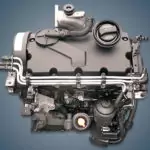
These engines have a large margin of safety and breakdowns occur at high mileage.

These are quite reliable units and problems happen only at high mileage.

This is a fairly reliable motor and the main complaints of the owners are related to the oil burner. By a run…
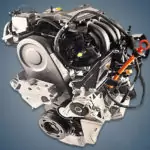
This is a simple and reliable engine and it does not cause big problems to the owners.

This engine does not like low temperatures and its operation in frost is difficult.

Most often, owners complain about oil consumption and increased soot formation.

On these diesel engines of certain years of production, there were defective liners.

This motor is prone to oil consumption only if the crankcase ventilation system is clogged.

The most famous problem of this motor is the oil burner due to the occurrence of rings.

The cam follower of the high-pressure fuel pump wears and can damage the camshaft lobe if it is not replaced in time.

This diesel engine is considered quite reliable, but it does not like bad fuel.

The first year of production, the main problem of the motor was a very low resource of the timing chain.

First of all, these motors are known for high oil consumption due to the occurrence of rings.

Compared to VAG turbo engines, this engine is much more reliable.

This is an updated version of diesels and most of the weaknesses of the series have already been eliminated.

The most serious problems are associated with malfunctions of the variable oil pump.

Oil leaks from the crankshaft seal and coolant leaks from the intake intercooler are common.

Oil leaks from the crankshaft seal and coolant leaks from the intake intercooler are common.

In the first place is the problem of the oil burner, especially for engines until 2013.

The most serious engine failures are associated with a drop in oil pressure in the system.

Most of the complaints about these engines are in one way or another related to oil consumption.

The main problems are associated with the oil burner, especially for the early versions of the engine.

Oil leaks from the crankshaft seal and coolant leaks from the intake intercooler are common.

The first year of production, these power units suffered from oil consumption due to the marriage of the cylinder head.

At the moment, no serious weaknesses have been identified in this diesel engine.

Most of the problems here are caused by malfunctions of the adjustable oil pump.

This engine is designed for natural gas (CNG) and is best run on it; on petrol use 98-octane fuel to avoid detonation.

Oil leaks from the crankshaft seal and coolant leaks from the intake intercooler are common.

Oil leaks from the crankshaft seal and coolant leaks from the intake intercooler are common.

The vast majority of owners' complaints are somehow related to the oil burner.

Most often, car owners with this power unit complain about the oil burner.

Oil leaks from the crankshaft seal and coolant leaks from the intake intercooler are common.

A durable turbo engine, but only with proper maintenance.
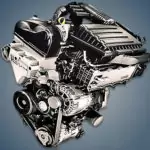
Complicated and expensive ACT system causes uneven camshaft wear.

A durable turbo engine, but only with proper maintenance.

Oil leaks from the crankshaft seal and coolant leaks from the intake intercooler are common.

These units have just begun to be installed and there is little information about their reliability.

Oil leaks from the crankshaft seal and coolant leaks from the intake intercooler are common.

Oil leaks from the crankshaft seal and coolant leaks from the intake intercooler are common.

Due to the relative novelty of this motor, there is little information about its malfunctions.

Oil leaks from the crankshaft seal and coolant leaks from the intake intercooler are common.

A durable turbo engine, but only with proper maintenance.

A durable turbo engine, but only with proper maintenance.

The weak point of the motor is the short-lived plastic case of the water pump.

Mechanically reliable, but owners often report electrical glitches, especially of the start-stop and brake energy recovery systems.

Mechanically reliable, but owners often report electrical glitches, especially of the start-stop and brake energy recovery systems.

The hybrid powertrain as a whole is reliable; most complaints concern the DSG gearbox mechatronics rather than the engine.

This engine is designed for natural gas (CNG) and is best run on it; on petrol use 98-octane fuel to avoid detonation.

Many owners complain about jerky operation when cold, the so-called kangaroo effect, especially in first gear.

Oil leaks from the crankshaft seal and coolant leaks from the intake intercooler are common.

Oil leaks from the crankshaft seal and coolant leaks from the intake intercooler are common.

A durable turbo engine, but only with proper maintenance.

A durable turbo engine, but only with proper maintenance.

Oil leaks from the crankshaft seal and coolant leaks from the intake intercooler are common.

Oil leaks from the crankshaft seal and coolant leaks from the intake intercooler are common.

Oil leaks from the crankshaft seal and coolant leaks from the intake intercooler are common.

Oil leaks from the crankshaft seal and coolant leaks from the intake intercooler are common.

A simple naturally aspirated engine that lasts up to 300,000 km with proper care.

Many owners complain about jerky operation when cold, the so-called kangaroo effect, especially in first gear.

The engine is new, so there are few failure statistics yet.

Many owners complain about jerky operation when cold, the so-called kangaroo effect, especially in first gear.

Oil leaks from the crankshaft seal and coolant leaks from the intake intercooler are common.

Oil leaks from the crankshaft seal and coolant leaks from the intake intercooler are common.
The most complete catalog of car and truck engines: specifications, oil capacity, timing drive, typical problems and lifespan.
We use cookies for website statistics (Yandex Metrica) and advertising (Google AdSense). Details are in our privacy policy.