

Volkswagen AEE
Most of the problems for owners are caused by an unreliable ignition system.
Skoda Octavia is a Czech small family car manufactured by Škoda Auto a.s. since 1996. The name of the car was borrowed from the model produced before 1971. In 2013, the third generation of the modern Skoda Octavia was released based on the MQB platform from the Volkswagen auto concern. The car is assembled in body modifications of a station wagon, liftback and sedan (for the Chinese market). 3rd generation cars are produced in the Czech Republic, Russia, China, India, Kazakhstan, Ukraine and Algeria.
The Skoda Octavia was offered with 53 engines since 1996 (41 petrol, 12 diesel). Displacement ranges from 1.2 to 2.0 liters, power output from 75 to 230 hp. 18 use a timing chain and 41 a timing belt. 33 are turbocharged. The longest rated lifespan belongs to the Volkswagen ALH (about 440,000 km).
| Engine | Years | Volume | Power | Fuel | Timing | Oil | Lifespan |
|---|---|---|---|---|---|---|---|
| Skoda Octavia 1 (1U) 1996–2010 | |||||||
| Volkswagen AGN | 1996–1999 | 1.8 L R4 | 125 hp | petrol | chain + belt | 4.5 L | ~330,000 km |
| Volkswagen AEE | 1996–2000 | 1.6 L R4 | 75 hp | petrol | belt | 4 L | ~330,000 km |
| Volkswagen AHF | 1997–2000 | 1.9 L R4 | 110 hp | diesel, turbo | belt | 4.3 L | ~400,000 km |
| Volkswagen AKL | 1997–2010 | 1.6 L R4 | 101 hp | petrol | belt | 4.5 L | ~350,000 km |
| Audi AEH | 1997–2007 | 1.6 L R4 | 100 hp | petrol | belt | 4.5 L | ~350,000 km |
| Volkswagen AGU | 1998–2004 | 1.8 L R4 | 150 hp | petrol, turbo | chain + belt | 4.5 L | ~320,000 km |
| Volkswagen AQY | 1999–2002 | 2.0 L R4 | 115 hp | petrol | belt | 4 L | ~400,000 km |
| Volkswagen APK | 1999–2002 | 2.0 L R4 | 116 hp | petrol | belt | 4 L | ~420,000 km |
| Volkswagen ALH | 2000–2010 | 1.9 L R4 | 90 hp | diesel, turbo | belt | 4.3 L | ~440,000 km |
| Volkswagen AVU | 2000–2002 | 1.6 L R4 | 102 hp | petrol | belt | 4.5 L | ~330,000 km |
| Volkswagen AXP | 2000–2004 | 1.4 L R4 | 75 hp | petrol | belt | 3.2 L | ~260,000 km |
| Volkswagen AUQ | 2001–2006 | 1.8 L R4 | 180 hp | petrol, turbo | chain + belt | 4.5 L | ~300,000 km |
| Volkswagen ASZ | 2002–2004 | 1.9 L R4 | 130 hp | diesel, turbo | belt | 4.3 L | ~300,000 km |
| Volkswagen AZJ | 2002–2004 | 2.0 L R4 | 115–116 hp | petrol | belt | 4 L | ~375,000 km |
| Volkswagen BFQ | 2002–2010 | 1.6 L R4 | 102 hp | petrol | belt | 4.5 L | ~340,000 km |
| Volkswagen BCA | 2002–2010 | 1.4 L R4 | 75 hp | petrol | belt | 3.2 L | ~280,000 km |
| Skoda Octavia 2 (1Z) 2004–2013 | |||||||
| Volkswagen BKD | 2004–2010 | 2.0 L R4 | 140 hp | diesel, turbo | belt | 4.3 L | ~300,000 km |
| Volkswagen BKC | 2004–2010 | 1.9 L R4 | 105 hp | diesel, turbo | belt | 3.8 L | ~320,000 km |
| Volkswagen BGU | 2004–2005 | 1.6 L R4 | 102 hp | petrol | belt | 4.5 L | ~340,000 km |
| Volkswagen BLF | 2004–2008 | 1.6 L R4 | 116 hp | petrol | chain | 3.6 L | ~250,000 km |
| Volkswagen BMM | 2005–2010 | 2.0 L R4 | 140 hp | diesel, turbo | belt | 4.3 L | ~280,000 km |
| Volkswagen BLS | 2005–2010 | 1.9 L R4 | 105 hp | diesel, turbo | belt | 4.3 L | ~300,000 km |
| Volkswagen BWA | 2005–2008 | 2.0 L R4 | 200 hp | petrol, turbo | chain + belt | 4.6 L | ~260,000 km |
| Volkswagen BVZ | 2005–2008 | 2.0 L R4 | 150 hp | petrol | chain + belt | 4.6 L | ~260,000 km |
| Volkswagen BVY | 2005–2008 | 2.0 L R4 | 150 hp | petrol | chain + belt | 4.6 L | ~250,000 km |
| Volkswagen BSF | 2005–2013 | 1.6 L R4 | 102 hp | petrol | belt | 4.5 L | ~350,000 km |
| Volkswagen BSE | 2005–2013 | 1.6 L R4 | 102 hp | petrol | belt | 4.5 L | ~400,000 km |
| Volkswagen BXE | 2006–2010 | 1.9 L R4 | 105 hp | diesel, turbo | belt | 3.8 L | ~275,000 km |
| Volkswagen BUD | 2006–2010 | 1.4 L R4 | 80 hp | petrol | belt | 3.2 L | ~275,000 km |
| Volkswagen BZB | 2007–2008 | 1.8 L R4 | 160 hp | petrol, turbo | chain | 4.6 L | ~300,000 km |
| Volkswagen CAXA | 2008–2013 | 1.4 L R4 | 122 hp | petrol, turbo | chain | 3.6 L | ~275,000 km |
| Volkswagen CDAA | 2008–2013 | 1.8 L R4 | 160 hp | petrol, turbo | chain | 4.6 L | ~250,000 km |
| Volkswagen CAWB | 2008–2010 | 2.0 L R4 | 200 hp | petrol, turbo | chain | 4.6 L | ~250,000 km |
| Volkswagen CAYC | 2009–2013 | 1.6 L R4 | 105 hp | diesel, turbo | belt | 4.3 L | ~250,000 km |
| Volkswagen CDAB | 2009–2013 | 1.8 L R4 | 152 hp | petrol, turbo | chain | 4.6 L | ~200,000 km |
| Volkswagen CLCA | 2010–2013 | 2.0 L R4 | 110 hp | diesel, turbo | belt | 4.3 L | ~400,000 km |
| Volkswagen CCZA | 2010–2013 | 2.0 L R4 | 200 hp | petrol, turbo | chain | 4.6 L | ~275,000 km |
| Volkswagen CGGA | 2010–2013 | 1.4 L R4 | 80 hp | petrol | belt | 3.2 L | ~260,000 km |
| Volkswagen CFHC | 2010–2013 | 2.0 L R4 | 140 hp | diesel, turbo | belt | 4.3 L | ~320,000 km |
| Skoda Octavia 3 (5E) 2012–present | |||||||
| Volkswagen CJZA | 2012–2015 | 1.2 L R4 | 105 hp | petrol, turbo | belt | 3.8 L | ~240,000 km |
| Volkswagen CRMB | 2012–2020 | 2.0 L R4 | 150 hp | diesel, turbo | belt | 4.6 L | ~330,000 km |
| Volkswagen CJSA | 2012–2020 | 1.8 L R4 | 180 hp | petrol, turbo | chain | 5.2 L | ~260,000 km |
| Volkswagen CHPA | 2012–2015 | 1.4 L R4 | 140 hp | petrol, turbo | belt | 3.8 L | ~240,000 km |
| Volkswagen CJZB | 2012–2018 | 1.2 L R4 | 86 hp | petrol, turbo | belt | 3.8 L | ~250,000 km |
| Volkswagen CHHB | 2013–2017 | 2.0 L R4 | 220 hp | petrol, turbo | chain | 5.7 L | ~240,000 km |
| Audi CJSB | 2013–2018 | 1.8 L R4 | 180 hp | petrol, turbo | chain | 5.2 L | ~250,000 km |
| Volkswagen CWVA | 2014–2020 | 1.6 L R4 | 110 hp | petrol | belt | 3.6 L | ~220,000 km |
| Volkswagen CHHA | 2015–2018 | 2.0 L R4 | 230 hp | petrol, turbo | chain | 5.7 L | ~230,000 km |
| Volkswagen CZDA | 2015–present | 1.4 L R4 | 150 hp | petrol, turbo | belt | 3.8 L | ~250,000 km |
| Volkswagen CZCA | 2015–present | 1.4 L R4 | 125 hp | petrol, turbo | belt | 3.8 L | ~275,000 km |
| Volkswagen DADA | 2017–2020 | 1.5 L R4 | 150 hp | petrol, turbo | belt | 4.3 L | ~240,000 km |
| Skoda Octavia 4 (NX) 2019–present | |||||||
| Volkswagen DJKA | 2019–present | 1.4 L R4 | 150 hp | petrol, turbo | belt | 3.8 L | ~250,000 km |
| Volkswagen DKZA | 2020–present | 2.0 L R4 | 190 hp | petrol, turbo | chain | 5.7 L | ~250,000 km |
| Volkswagen DADA | 2020–present | 1.5 L R4 | 150 hp | petrol, turbo | belt | 4.3 L | ~240,000 km |
| Volkswagen CWVA | 2020–present | 1.6 L R4 | 110 hp | petrol | belt | 3.6 L | ~220,000 km |
Skoda Octavia 1 (1U) (1996–2010): Volkswagen AGN, Volkswagen AEE, Volkswagen AHF, Volkswagen AKL, Audi AEH, Volkswagen AGU, Volkswagen AQY, Volkswagen APK, Volkswagen ALH, Volkswagen AVU, Volkswagen AXP, Volkswagen AUQ, Volkswagen ASZ, Volkswagen AZJ, Volkswagen BFQ and Volkswagen BCA; Skoda Octavia 2 (1Z) (2004–2013): Volkswagen BKD, Volkswagen BKC, Volkswagen BGU, Volkswagen BLF, Volkswagen BMM, Volkswagen BLS, Volkswagen BWA, Volkswagen BVZ, Volkswagen BVY, Volkswagen BSF, Volkswagen BSE, Volkswagen BXE, Volkswagen BUD, Volkswagen BZB, Volkswagen CAXA, Volkswagen CDAA, Volkswagen CAWB, Volkswagen CAYC, Volkswagen CDAB, Volkswagen CLCA, Volkswagen CCZA, Volkswagen CGGA and Volkswagen CFHC; Skoda Octavia 3 (5E) (2012–present): Volkswagen CJZA, Volkswagen CRMB, Volkswagen CJSA, Volkswagen CHPA, Volkswagen CJZB, Volkswagen CHHB, Audi CJSB, Volkswagen CWVA, Volkswagen CHHA, Volkswagen CZDA, Volkswagen CZCA and Volkswagen DADA; Skoda Octavia 4 (NX) (2019–present): Volkswagen DJKA, Volkswagen DKZA, Volkswagen DADA and Volkswagen CWVA.
By rated service life the most durable Skoda Octavia engines are: Volkswagen ALH — about 440,000 km; Volkswagen APK — about 420,000 km; Volkswagen AHF — about 400,000 km. Actual lifespan depends heavily on maintenance and oil change intervals.
Engine oil capacity with filter: Audi AEH — 4.5 L (5W-40 (approval: VW 502 00 or VW 505 00)); Audi CJSB — 5.2 L (5W-30); Volkswagen AEE — 4 L (5W-30); Volkswagen AGN — 4.5 L (5W-30); Volkswagen AGU — 4.5 L (5W-30); Volkswagen AHF — 4.3 L (5W-40); Volkswagen AKL — 4.5 L (5W-30); Volkswagen ALH — 4.3 L (5W-40); Volkswagen APK — 4 L (5W-30); Volkswagen AQY — 4 L (5W-30); Volkswagen ASZ — 4.3 L (5W-40); Volkswagen AUQ — 4.5 L (5W-30); Volkswagen AVU — 4.5 L (5W-40 (approval: VW 502 00 or VW 505 00)); Volkswagen AXP — 3.2 L (5W-30); Volkswagen AZJ — 4 L (5W-30); Volkswagen BCA — 3.2 L (5W-30); Volkswagen BFQ — 4.5 L (5W-30); Volkswagen BGU — 4.5 L (5W-40 (approval: VW 502 00 or VW 505 00)); Volkswagen BKC — 3.8 L (5W-40); Volkswagen BKD — 4.3 L (5W-30); Volkswagen BLF — 3.6 L (5W-30); Volkswagen BLS — 4.3 L (5W-40); Volkswagen BMM — 4.3 L (5W-30); Volkswagen BSE — 4.5 L (5W-30); Volkswagen BSF — 4.5 L (5W-30); Volkswagen BUD — 3.2 L (5W-30); Volkswagen BVY — 4.6 L (5W-30); Volkswagen BVZ — 4.6 L (5W-30); Volkswagen BWA — 4.6 L (5W-30); Volkswagen BXE — 3.8 L (5W-40); Volkswagen BZB — 4.6 L (5W-30); Volkswagen CAWB — 4.6 L (5W-30); Volkswagen CAXA — 3.6 L (5W-30); Volkswagen CAYC — 4.3 L (5W-30); Volkswagen CCZA — 4.6 L (5W-30); Volkswagen CDAA — 4.6 L (5W-30); Volkswagen CDAB — 4.6 L (5W-30, 5W-40); Volkswagen CFHC — 4.3 L (5W-30); Volkswagen CGGA — 3.2 L (5W-30); Volkswagen CHHA — 5.7 L (0W-20); Volkswagen CHHB — 5.7 L (5W-30); Volkswagen CHPA — 3.8 L (5W-30); Volkswagen CJSA — 5.2 L (5W-30); Volkswagen CJZA — 3.8 L (5W-30); Volkswagen CJZB — 3.8 L (5W-30); Volkswagen CLCA — 4.3 L (5W-30); Volkswagen CRMB — 4.6 L (5W-30); Volkswagen CWVA — 3.6 L (5W-30, 5W-40); Volkswagen CZCA — 3.8 L (5W-30); Volkswagen CZDA — 3.8 L (5W-30); Volkswagen DADA — 4.3 L (0W-20); Volkswagen DJKA — 3.8 L (0W-30); Volkswagen DKZA — 5.7 L (0W-30).
Timing chain: Audi CJSB, Volkswagen AGN, Volkswagen AGU, Volkswagen AUQ, Volkswagen BLF, Volkswagen BVY, Volkswagen BVZ, Volkswagen BWA, Volkswagen BZB, Volkswagen CAWB, Volkswagen CAXA, Volkswagen CCZA, Volkswagen CDAA, Volkswagen CDAB, Volkswagen CHHA, Volkswagen CHHB, Volkswagen CJSA and Volkswagen DKZA; timing belt: Audi AEH, Volkswagen AEE, Volkswagen AGN, Volkswagen AGU, Volkswagen AHF, Volkswagen AKL, Volkswagen ALH, Volkswagen APK, Volkswagen AQY, Volkswagen ASZ, Volkswagen AUQ, Volkswagen AVU, Volkswagen AXP, Volkswagen AZJ, Volkswagen BCA, Volkswagen BFQ, Volkswagen BGU, Volkswagen BKC, Volkswagen BKD, Volkswagen BLS, Volkswagen BMM, Volkswagen BSE, Volkswagen BSF, Volkswagen BUD, Volkswagen BVY, Volkswagen BVZ, Volkswagen BWA, Volkswagen BXE, Volkswagen CAYC, Volkswagen CFHC, Volkswagen CGGA, Volkswagen CHPA, Volkswagen CJZA, Volkswagen CJZB, Volkswagen CLCA, Volkswagen CRMB, Volkswagen CWVA, Volkswagen CZCA, Volkswagen CZDA, Volkswagen DADA and Volkswagen DJKA. Belts must be replaced on schedule: on many engines a broken belt bends the valves.
Yes: Volkswagen AHF, Volkswagen ALH, Volkswagen ASZ, Volkswagen BKC, Volkswagen BKD, Volkswagen BLS, Volkswagen BMM, Volkswagen BXE, Volkswagen CAYC, Volkswagen CFHC, Volkswagen CLCA and Volkswagen CRMB.
Most of the problems for owners are caused by an unreliable ignition system.

This is a simple and reliable motor, with proper maintenance it has a huge resource.

This engine is famous for its reliability and worries owners relatively rarely.

An engine turbocharger can fail very quickly with a clogged catalyst.

The most famous motor problems are floating engine speeds and strong vibrations.

The cause of thrust failures is often in the wedge geometry of the turbine or the damper in the EGR valve.

The main culprit for thrust failures is contamination of the turbine valve or EGR.

This motor is structurally simple and worries its owners only over trifles.

This is a simple and reliable engine that worries owners only about trifles.

Saving on lubrication leads to rapid wear of the camshaft and hydraulic lifters.

This reliable and resourceful engine rarely worries and only at high mileage.

This power unit is considered quite reliable, but it has a couple of weaknesses.

The main reason for the unstable operation of the engine is the constant air leakage through the crankcase ventilation.

This power unit is very reliable and if it breaks down, it is mostly in small things.

This unit is considered quite reliable, but has one unpleasant feature.

The motor is reliable and has a high resource, but it worries only at high mileage.

This is a simple design and reliable engine, it worries only at high mileage.

In the early years of production, antifreeze leaks regularly occurred due to cracks in the cylinder head.

Owners of cars with such an engine often complain about poor starting in cold weather.

A lot of diesel problems are due to the vagaries of its piezoelectric unit injectors.
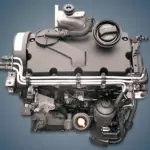
These engines have a large margin of safety and breakdowns occur at high mileage.

These are quite reliable units and problems happen only at high mileage.
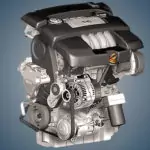
This is a fairly reliable motor and the main complaints of the owners are related to the oil burner. By a run…
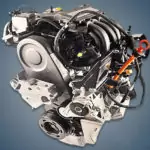
This is a simple and reliable engine and it does not cause big problems to the owners.

This engine does not like low temperatures and its operation in frost is difficult.

This power unit does not tolerate frost and in winter it may simply not start.

Most often, owners complain about oil consumption and increased soot formation.

This engine is considered average in terms of reliability and, moreover, it is quite noisy.
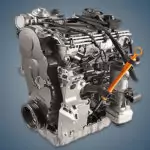
On these diesel engines of certain years of production, there were defective liners.

The most famous problem is the stretching of the timing chain even at low mileage.

This motor is prone to oil consumption only if the crankcase ventilation system is clogged.

Most of the complaints here are about the timing chain, often it stretches already to 100,000 km.

Most of all, the owners complain about the oil burner due to the occurrence of piston rings.

The most famous problem of this motor is the oil burner due to the occurrence of rings.

Compared to turbocharged counterparts, this engine is considered quite reliable.

This diesel engine is considered quite reliable, but it does not like bad fuel.

The use of a lightweight connecting rod and piston group and rings of an unsuccessful design led to the fact that the…

This is the simplest version of the diesel without swirl flaps or balance shafts.

This is an updated version of diesels and most of the weaknesses of the series have already been eliminated.

The most serious problems are associated with malfunctions of the variable oil pump.

In the first place is the problem of the oil burner, especially for engines until 2013.

The most serious engine failures are associated with a drop in oil pressure in the system.

Most of the complaints about these engines are in one way or another related to oil consumption.

The main problems are associated with the oil burner, especially for the early versions of the engine.

At the moment, no serious weaknesses have been identified in this diesel engine.

The main problems of the motor are associated with malfunctions of the adjustable oil pump.

In this generation of engines, the oil burner problem is not acute, but there are still many complaints.

Most often, car owners with this power unit complain about the oil burner.

The most famous problem is high oil consumption and it increases due to the occurrence of rings. The owners are struggling with…

The most famous problem of the engines of this series is the oil burner due to the occurrence of rings.

Due to the relative novelty of this motor, there is little information about its malfunctions.

This turbo engine appeared recently and there are no detailed statistics of its breakdowns.

The weak point of the motor is the short-lived plastic case of the water pump.