

Opel C20NE
The motor is reliable, without weaknesses and all its problems are associated with natural wear and tear.
Opel Astra is a compact class car from the German manufacturer Adam Opel AG. The production of the model began in 1991. The name Astra in Latin means – “star”. Since 2011, the 4th generation of machines of this model has been produced. Continuing the traditions of its predecessor, which for this model is the Opel Kadett, each new generation is designated by a Latin letter. In addition to Germany, the Astra is manufactured right-hand drive in the UK (Vauxhall Astra), as well as in China (Buick Excelle XT) and Latin America (Chevrolet Astra / Vectra).
The Opel Astra was offered with 43 engines between 1991 and 2018 (13 diesel, 30 petrol). Displacement ranges from 1.2 to 2.2 liters, power output from 60 to 280 hp. 14 use a timing chain and 29 a timing belt. 18 are turbocharged. The longest rated lifespan belongs to the Opel Y17DT (about 400,000 km).
| Engine | Years | Volume | Power | Fuel | Timing | Oil | Lifespan |
|---|---|---|---|---|---|---|---|
| Opel Astra F (T92) 1991–2000 | |||||||
| Opel C20XE | 1991–1996 | 2.0 L R4 | 150 hp | petrol | belt | 4.5 L | ~300,000 km |
| Opel C18NZ | 1991–1994 | 1.8 L R4 | 90 hp | petrol | belt | 4 L | ~330,000 km |
| Opel C16NZ | 1991–1994 | 1.6 L R4 | 75 hp | petrol | belt | 3.5 L | ~320,000 km |
| Opel C14NZ | 1991–1996 | 1.4 L R4 | 60 hp | petrol | belt | 3.5 L | ~300,000 km |
| Opel C20NE | 1992–1994 | 2.0 L R4 | 115 hp | petrol | belt | 4.5 L | ~350,000 km |
| Opel X17DTL | 1994–1998 | 1.7 L R4 | 68 hp | diesel, turbo | belt | 5.5 L | ~300,000 km |
| Opel X16XEL | 1994–1998 | 1.6 L R4 | 100 hp | petrol | belt | 3.5 L | ~275,000 km |
| Opel X20XEV | 1996–2000 | 2.0 L R4 | 136 hp | petrol | belt | 4.25 L | ~350,000 km |
| Opel X18XE | 1996–2000 | 1.8 L R4 | 115 hp | petrol | belt | 4 L | ~350,000 km |
| Opel X16SZR | 1996–2000 | 1.6 L R4 | 75 hp | petrol | belt | 3.5 L | ~350,000 km |
| Opel X14XE | 1996–2000 | 1.4 L R4 | 90 hp | petrol | belt | 3.5 L | ~250,000 km |
| Opel Astra G (T98) 1998–2009 | |||||||
| Opel X20DTL | 1998–2000 | 2.0 L R4 | 82 hp | diesel, turbo | chain | 5.5 L | ~350,000 km |
| Opel X17DTL | 1998–2000 | 1.7 L R4 | 68 hp | diesel, turbo | belt | 5.5 L | ~300,000 km |
| Opel X18XE1 | 1998–2000 | 1.8 L R4 | 116 hp | petrol | belt | 4.25 L | ~320,000 km |
| Opel X12XE | 1998–2000 | 1.2 L R4 | 65 hp | petrol | chain | 3.5 L | ~300,000 km |
| Opel Z22SE | 2000–2005 | 2.2 L R4 | 147 hp | petrol | chain | 5 L | ~270,000 km |
| Opel Z16SE | 2000–2004 | 1.6 L R4 | 84 hp | petrol | belt | 3.25 L | ~350,000 km |
| Opel Y20DTH | 2000–2004 | 2.0 L R4 | 101 hp | diesel, turbo | chain | 5.5 L | ~320,000 km |
| Opel Y17DT | 2000–2004 | 1.7 L R4 | 75 hp | diesel, turbo | belt | 4.5 L | ~400,000 km |
| Opel Z20LET | 2000–2005 | 2.0 L R4 | 190–200 hp | petrol, turbo | belt | 4.25 L | ~250,000 km |
| Opel Z18XE | 2000–2005 | 1.8 L R4 | 125 hp | petrol | belt | 4.25 L | ~300,000 km |
| Opel Z16XE | 2000–2005 | 1.6 L R4 | 101 hp | petrol | belt | 3.5 L | ~320,000 km |
| Opel Z14XE | 2000–2004 | 1.4 L R4 | 90 hp | petrol | belt | 3.5 L | ~300,000 km |
| Opel Z12XE | 2000–2004 | 1.2 L R4 | 75 hp | petrol | chain | 3.5 L | ~270,000 km |
| Opel Y22DTR | 2002–2005 | 2.2 L R4 | 120–125 hp | diesel, turbo | chain | 5.5 L | ~350,000 km |
| Opel Z16XEP | 2002–2009 | 1.6 L R4 | 105 hp | petrol | belt | 4.5 L | ~300,000 km |
| Opel Z14XEP | 2003–2009 | 1.4 L R4 | 90 hp | petrol | chain | 3.5 L | ~275,000 km |
| Opel Astra H (A04) 2004–2010 | |||||||
| Opel Z19DTH | 2004–2010 | 1.9 L R4 | 150 hp | diesel, turbo | belt | 4.5 L | ~300,000 km |
| Opel Z17DTH | 2004–2007 | 1.7 L R4 | 101 hp | diesel, turbo | belt | 5 L | ~400,000 km |
| Opel Z19DT | 2005–2010 | 1.9 L R4 | 120 hp | diesel, turbo | belt | 4.6 L | ~340,000 km |
| Opel Z13DTH | 2005–2010 | 1.2 L R4 | 90 hp | diesel, turbo | chain | 3.3 L | ~330,000 km |
| Opel Z18XER | 2006–2010 | 1.8 L R4 | 140 hp | petrol | belt | 4.5 L | ~350,000 km |
| Opel Z16XER | 2006–2010 | 1.6 L R4 | 115 hp | petrol | belt | 4.5 L | ~350,000 km |
| Opel A17DTR | 2009–2010 | 1.7 L R4 | 125 hp | diesel, turbo | belt | 5.4 L | ~340,000 km |
| Opel A17DTJ | 2009–2010 | 1.7 L R4 | 110 hp | diesel, turbo | belt | 5.4 L | ~350,000 km |
| Opel Astra J (P10) 2009–2018 | |||||||
| Opel A16LET | 2009–2012 | 1.6 L R4 | 180 hp | petrol, turbo | belt | 4.5 L | ~200,000 km |
| Opel A14NET/NEL | 2009–2015 | 1.4 L R4 | 140 hp | petrol, turbo | chain | 4 L | ~300,000 km |
| Opel A16XER | 2009–2015 | 1.6 L R4 | 115 hp | petrol | belt | 4.5 L | ~300,000 km |
| Opel A20DTH | 2009–2015 | 2.0 L R4 | 160–170 hp | diesel, turbo | belt | 4.5 L | ~250,000 km |
| Opel A17DTR | 2009–2012 | 1.7 L R4 | 125 hp | diesel, turbo | belt | 5.4 L | ~340,000 km |
| Opel A17DTJ | 2009–2011 | 1.7 L R4 | 110 hp | diesel, turbo | belt | 5.4 L | ~350,000 km |
| Opel A13DTE | 2009–2013 | 1.2 L R4 | 90–95 hp | diesel, turbo | chain | 3.2 L | ~300,000 km |
| Opel A14XER | 2009–2013 | 1.4 L R4 | 100 hp | petrol | chain | 4.2 L | ~250,000 km |
| Opel A20NFT | 2012–2015 | 2.0 L R4 | 250–280 hp | petrol, turbo | chain | 6.05 L | ~250,000 km |
| Opel A16XHT | 2012–2015 | 1.6 L R4 | 170 hp | petrol, turbo | chain | 4.55 L | ~275,000 km |
| Opel B16XER | 2014–2018 | 1.6 L R4 | 115 hp | petrol | chain | 4.5 L | ~300,000 km |
Opel Astra F (T92) (1991–2000): Opel C20XE, Opel C18NZ, Opel C16NZ, Opel C14NZ, Opel C20NE, Opel X17DTL, Opel X16XEL, Opel X20XEV, Opel X18XE, Opel X16SZR and Opel X14XE; Opel Astra G (T98) (1998–2009): Opel X20DTL, Opel X17DTL, Opel X18XE1, Opel X12XE, Opel Z22SE, Opel Z16SE, Opel Y20DTH, Opel Y17DT, Opel Z20LET, Opel Z18XE, Opel Z16XE, Opel Z14XE, Opel Z12XE, Opel Y22DTR, Opel Z16XEP and Opel Z14XEP; Opel Astra H (A04) (2004–2010): Opel Z19DTH, Opel Z17DTH, Opel Z19DT, Opel Z13DTH, Opel Z18XER, Opel Z16XER, Opel A17DTR and Opel A17DTJ; Opel Astra J (P10) (2009–2018): Opel A16LET, Opel A14NET/NEL, Opel A16XER, Opel A20DTH, Opel A17DTR, Opel A17DTJ, Opel A13DTE, Opel A14XER, Opel A20NFT, Opel A16XHT and Opel B16XER.
By rated service life the most durable Opel Astra engines are: Opel Y17DT — about 400,000 km; Opel Z17DTH — about 400,000 km; Opel A17DTJ — about 350,000 km. Actual lifespan depends heavily on maintenance and oil change intervals.
Engine oil capacity with filter: Opel A13DTE — 3.2 L (5W-30); Opel A14NET/NEL — 4 L (5W-30); Opel A14XER — 4.2 L (5W-30); Opel A16LET — 4.5 L (5W-30, 5W-40); Opel A16XER — 4.5 L (5W-30); Opel A16XHT — 4.55 L (5W-30); Opel A17DTJ — 5.4 L (5W-30); Opel A17DTR — 5.4 L (5W-30); Opel A20DTH — 4.5 L (5W-30); Opel A20NFT — 6.05 L (5W-30); Opel B16XER — 4.5 L (5W-30); Opel C14NZ — 3.5 L (5W-30); Opel C16NZ — 3.5 L (5W-30); Opel C18NZ — 4 L (5W-30); Opel C20NE — 4.5 L (5W-30); Opel C20XE — 4.5 L (5W-30); Opel X12XE — 3.5 L (5W-30); Opel X14XE — 3.5 L (5W-30); Opel X16SZR — 3.5 L (5W-30); Opel X16XEL — 3.5 L (5W-30); Opel X17DTL — 5.5 L (5W-40); Opel X18XE — 4 L (5W-30); Opel X18XE1 — 4.25 L (5W-30); Opel X20DTL — 5.5 L (5W-40); Opel X20XEV — 4.25 L (5W-30); Opel Y17DT — 4.5 L (5W-40); Opel Y20DTH — 5.5 L (5W-40); Opel Y22DTR — 5.5 L (5W-40); Opel Z12XE — 3.5 L (5W-30); Opel Z13DTH — 3.3 L (5W-30); Opel Z14XE — 3.5 L (5W-30); Opel Z14XEP — 3.5 L (5W-30); Opel Z16SE — 3.25 L (5W-30); Opel Z16XE — 3.5 L (5W-30); Opel Z16XEP — 4.5 L (5W-30); Opel Z16XER — 4.5 L (5W-30); Opel Z17DTH — 5 L (5W-30); Opel Z18XE — 4.25 L (5W-30); Opel Z18XER — 4.5 L (5W-30 / 5W-40 / 0W-30 / 0W-40); Opel Z19DT — 4.6 L (5W-40); Opel Z19DTH — 4.5 L (5W-40); Opel Z20LET — 4.25 L (5W-30); Opel Z22SE — 5 L (5W-30).
Timing chain: Opel A13DTE, Opel A14NET/NEL, Opel A14XER, Opel A16XHT, Opel A20NFT, Opel B16XER, Opel X12XE, Opel X20DTL, Opel Y20DTH, Opel Y22DTR, Opel Z12XE, Opel Z13DTH, Opel Z14XEP and Opel Z22SE; timing belt: Opel A16LET, Opel A16XER, Opel A17DTJ, Opel A17DTR, Opel A20DTH, Opel C14NZ, Opel C16NZ, Opel C18NZ, Opel C20NE, Opel C20XE, Opel X14XE, Opel X16SZR, Opel X16XEL, Opel X17DTL, Opel X18XE, Opel X18XE1, Opel X20XEV, Opel Y17DT, Opel Z14XE, Opel Z16SE, Opel Z16XE, Opel Z16XEP, Opel Z16XER, Opel Z17DTH, Opel Z18XE, Opel Z18XER, Opel Z19DT, Opel Z19DTH and Opel Z20LET. Belts must be replaced on schedule: on many engines a broken belt bends the valves.
Yes: Opel A13DTE, Opel A17DTJ, Opel A17DTR, Opel A20DTH, Opel X17DTL, Opel X20DTL, Opel Y17DT, Opel Y20DTH, Opel Y22DTR, Opel Z13DTH, Opel Z17DTH, Opel Z19DT and Opel Z19DTH.
The motor is reliable, without weaknesses and all its problems are associated with natural wear and tear.

Most often, owners complain about ignition system failures, a spark disappears in it.

The most famous weak point of this motor is the cylinder head, it often cracks.

This engine has no pronounced weaknesses, all its problems are from old age.

The ignition system delivers the most problems, the spark constantly disappears here.

The main problem in valve stem seals flying off the valve guides.
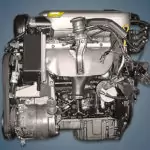
The main problem is valve stem seals flying off the valve guides.

The unit is famous for its unpretentiousness to the quality of diesel fuel and good repairability.

A simple and reliable engine rarely breaks down, but is repaired inexpensively.

This unit is often scolded for low power, but everything is in order with reliability.

This engine is considered reliable, and all its problems are solved simply and inexpensively.

Most powertrain problems are related to the Bosch VP44 fuel pump.

This is a reliable unit, but it does not tolerate low-quality oil and long replacement intervals.
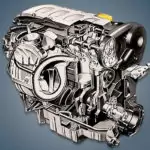
Many engine problems are related to ECU glitches, it's easier to buy another than to repair.

Most of the problems are delivered by the capricious Denso injection pump control unit.

The main problems of the engine are somehow connected with the failures of the Bosch VP44 injection pump.

The life of an Opel owner with such an engine is spent in the fight against airing the system.

The main problems of the motor are associated with electrical glitches, usually the ECU unit fails.

The reason for the oil burner is usually in valve stem seals that have flown off the guides.
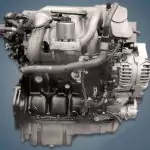
The main problem of this motor is in the oil burner and decoking does not help it for a long time.

Most often, owners complain about the oil burner and decarbonization does not always help here.

The unit is famous for its reliability, but it has a weak point - an unreliable ECU.

Oil seals are considered the weak point of the engine, they often have to be replaced.

The timing chain, or rather its tensioner, delivers the most problems to owners.

Drivers constantly complain about engine traction failures due to failures of the Twinport system.

the biggest problem here is the constantly stuck Twinport dampers.

The most famous engine problem in the leakage of rubber injector sleeve seals.

This is a simple and reliable engine, as it does not have problematic swirl flaps.

The weak point of this unit is the intake manifold swirl flaps.

A drop in the oil level here often leads to a chain jump and breakage of the rockers.

In the engines of the first years of production, there was a massive marriage in camshafts and phase regulators, but they have…

The first power units of this line were equipped with defective phase regulators, but they were replaced under warranty a long time…

The most famous problem with this engine is the destruction of the piston of the 4th cylinder and the reason may be…

Most often, there are ignition problems and the weak point here is the coil module.

Power units until 2013 often wedged when driving at high speed.

This diesel engine is afraid of the cold and its operation is difficult in frosty winter.
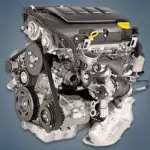
Motors in this series are notorious for noise, clicking and whistling in operation, but this is normal.
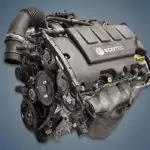
Motors of this series often annoy with noise, whistling and clicking, but this is not a breakdown.
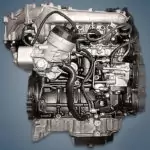
The use of low-quality antifreeze quickly affects the condition of the motor.

Most of all, this diesel engine is afraid of low-quality coolant.

This engine is more reliable than its predecessor, but still delivers a lot of trouble.

This engine often annoys with excessive noise, whistling and vibrations in operation.
A simple engine with a cast-iron block and a long service life.