

Opel C20NE
The motor is reliable, without weaknesses and all its problems are associated with natural wear and tear.
The Opel Vectra is a German mid-size car from Adam Opel AG. Produced from 1988 to 2008. In total, three consecutive versions / generations were made – A, B, C. The car was manufactured in body modifications of a sedan, a hatchback, as well as in the 2nd and 3rd generations of the station wagon in a front- and all-wheel drive layout. In 2009 the model was replaced by Opel Insignia. In total, cars of the first version were produced about 2 million copies until 1995, as well as about 200 thousand from 2000 to 2005.
The Opel Vectra was offered with 26 engines between 1988 and 2008 (20 petrol, 6 diesel). Displacement ranges from 1.6 to 3.2 liters, power output from 75 to 250 hp. 7 use a timing chain and 19 a timing belt. 8 are turbocharged. The longest rated lifespan belongs to the Opel X25XE (about 400,000 km).
| Engine | Years | Volume | Power | Fuel | Timing | Oil | Lifespan |
|---|---|---|---|---|---|---|---|
| Opel Vectra A (J89) 1988–1995 | |||||||
| Opel C20XE | 1988–1994 | 2.0 L R4 | 150 hp | petrol | belt | 4.5 L | ~300,000 km |
| Opel C20NE | 1988–1995 | 2.0 L R4 | 115 hp | petrol | belt | 4.5 L | ~350,000 km |
| Opel C18NZ | 1988–1995 | 1.8 L R4 | 90 hp | petrol | belt | 4 L | ~330,000 km |
| Opel C16NZ | 1988–1993 | 1.6 L R4 | 75 hp | petrol | belt | 3.5 L | ~320,000 km |
| Opel C20LET | 1992–1994 | 2.0 L R4 | 204 hp | petrol, turbo | belt | 4.5 L | ~250,000 km |
| Opel X20XEV | 1994–1995 | 2.0 L R4 | 136 hp | petrol | belt | 4.25 L | ~350,000 km |
| Opel Vectra B (J96) 1995–2002 | |||||||
| Opel X25XE | 1995–2000 | 2.5 L V6 | 170 hp | petrol | belt | 5.75 L | ~400,000 km |
| Opel X20XEV | 1995–2000 | 2.0 L R4 | 136 hp | petrol | belt | 4.25 L | ~350,000 km |
| Opel X18XE | 1995–1999 | 1.8 L R4 | 115 hp | petrol | belt | 4 L | ~350,000 km |
| Opel X16SZR | 1995–2000 | 1.6 L R4 | 75 hp | petrol | belt | 3.5 L | ~350,000 km |
| Opel X16XEL | 1995–2000 | 1.6 L R4 | 100 hp | petrol | belt | 3.5 L | ~275,000 km |
| Opel X20DTL | 1996–2000 | 2.0 L R4 | 82 hp | diesel, turbo | chain | 5.5 L | ~350,000 km |
| Opel X20DTH | 1997–2000 | 2.0 L R4 | 100 hp | diesel, turbo | chain | 5.5 L | ~330,000 km |
| Opel X18XE1 | 1999–2000 | 1.8 L R4 | 116 hp | petrol | belt | 4.25 L | ~320,000 km |
| Opel Z22SE | 2000–2002 | 2.2 L R4 | 147 hp | petrol | chain | 5 L | ~270,000 km |
| Opel Y22DTR | 2000–2002 | 2.2 L R4 | 120–125 hp | diesel, turbo | chain | 5.5 L | ~350,000 km |
| Opel Y20DTH | 2000–2002 | 2.0 L R4 | 101 hp | diesel, turbo | chain | 5.5 L | ~320,000 km |
| Opel Z18XE | 2000–2002 | 1.8 L R4 | 125 hp | petrol | belt | 4.25 L | ~300,000 km |
| Opel Z16XE | 2000–2002 | 1.6 L R4 | 101 hp | petrol | belt | 3.5 L | ~320,000 km |
| Opel Y26SE | 2000–2002 | 2.6 L V6 | 170–180 hp | petrol | belt | 5.75 L | ~300,000 km |
| Opel Vectra C (Z02) 2002–2008 | |||||||
| Opel Z22SE | 2002–2004 | 2.2 L R4 | 147 hp | petrol | chain | 5 L | ~270,000 km |
| Opel Y22DTR | 2002–2004 | 2.2 L R4 | 120–125 hp | diesel, turbo | chain | 5.5 L | ~350,000 km |
| Opel Y20DTH | 2002–2004 | 2.0 L R4 | 101 hp | diesel, turbo | chain | 5.5 L | ~320,000 km |
| Opel Z18XE | 2002–2005 | 1.8 L R4 | 125 hp | petrol | belt | 4.25 L | ~300,000 km |
| Opel Y32SE | 2002–2005 | 3.2 L V6 | 211–218 hp | petrol | belt | 5.75 L | ~300,000 km |
| Opel Z22YH | 2003–2008 | 2.2 L R4 | petrol | chain | ~250,000 km | ||
| Opel Z19DTH | 2004–2008 | 1.9 L R4 | 150 hp | diesel, turbo | belt | 4.5 L | ~300,000 km |
| Opel Z19DT | 2004–2008 | 1.9 L R4 | 120 hp | diesel, turbo | belt | 4.6 L | ~340,000 km |
| Opel Z16XE | 2004–2005 | 1.6 L R4 | 101 hp | petrol | belt | 3.5 L | ~320,000 km |
| Opel Z18XER | 2005–2008 | 1.8 L R4 | 140 hp | petrol | belt | 4.5 L | ~350,000 km |
| Opel Z28NET | 2005–2008 | 2.8 L V6 | 250 hp | petrol, turbo | chain | 6 L | ~300,000 km |
| Opel Z16XEP | 2005–2008 | 1.6 L R4 | 105 hp | petrol | belt | 4.5 L | ~300,000 km |
Opel Vectra A (J89) (1988–1995): Opel C20XE, Opel C20NE, Opel C18NZ, Opel C16NZ, Opel C20LET and Opel X20XEV; Opel Vectra B (J96) (1995–2002): Opel X25XE, Opel X20XEV, Opel X18XE, Opel X16SZR, Opel X16XEL, Opel X20DTL, Opel X20DTH, Opel X18XE1, Opel Z22SE, Opel Y22DTR, Opel Y20DTH, Opel Z18XE, Opel Z16XE and Opel Y26SE; Opel Vectra C (Z02) (2002–2008): Opel Z22SE, Opel Y22DTR, Opel Y20DTH, Opel Z18XE, Opel Y32SE, Opel Z22YH, Opel Z19DTH, Opel Z19DT, Opel Z16XE, Opel Z18XER, Opel Z28NET and Opel Z16XEP.
By rated service life the most durable Opel Vectra engines are: Opel X25XE — about 400,000 km; Opel C20NE — about 350,000 km; Opel X16SZR — about 350,000 km. Actual lifespan depends heavily on maintenance and oil change intervals.
Engine oil capacity with filter: Opel C16NZ — 3.5 L (5W-30); Opel C18NZ — 4 L (5W-30); Opel C20LET — 4.5 L (5W-30); Opel C20NE — 4.5 L (5W-30); Opel C20XE — 4.5 L (5W-30); Opel X16SZR — 3.5 L (5W-30); Opel X16XEL — 3.5 L (5W-30); Opel X18XE — 4 L (5W-30); Opel X18XE1 — 4.25 L (5W-30); Opel X20DTH — 5.5 L (5W-40); Opel X20DTL — 5.5 L (5W-40); Opel X20XEV — 4.25 L (5W-30); Opel X25XE — 5.75 L (5W-30); Opel Y20DTH — 5.5 L (5W-40); Opel Y22DTR — 5.5 L (5W-40); Opel Y26SE — 5.75 L (5W-40); Opel Y32SE — 5.75 L (5W-40); Opel Z16XE — 3.5 L (5W-30); Opel Z16XEP — 4.5 L (5W-30); Opel Z18XE — 4.25 L (5W-30); Opel Z18XER — 4.5 L (5W-30 / 5W-40 / 0W-30 / 0W-40); Opel Z19DT — 4.6 L (5W-40); Opel Z19DTH — 4.5 L (5W-40); Opel Z22SE — 5 L (5W-30); Opel Z28NET — 6 L (5W-30).
Timing chain: Opel X20DTH, Opel X20DTL, Opel Y20DTH, Opel Y22DTR, Opel Z22SE, Opel Z22YH and Opel Z28NET; timing belt: Opel C16NZ, Opel C18NZ, Opel C20LET, Opel C20NE, Opel C20XE, Opel X16SZR, Opel X16XEL, Opel X18XE, Opel X18XE1, Opel X20XEV, Opel X25XE, Opel Y26SE, Opel Y32SE, Opel Z16XE, Opel Z16XEP, Opel Z18XE, Opel Z18XER, Opel Z19DT and Opel Z19DTH. Belts must be replaced on schedule: on many engines a broken belt bends the valves.
Yes: Opel X20DTH, Opel X20DTL, Opel Y20DTH, Opel Y22DTR, Opel Z19DT and Opel Z19DTH.
The motor is reliable, without weaknesses and all its problems are associated with natural wear and tear.

Most often, owners complain about ignition system failures, a spark disappears in it.

The most famous weak point of this motor is the cylinder head, it often cracks.

This engine has no pronounced weaknesses, all its problems are from old age.

Almost all such motors are subject to revision and many problems are associated with this.
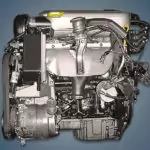
The main problem is valve stem seals flying off the valve guides.

A simple and reliable engine rarely breaks down, but is repaired inexpensively.

Grease often oozes from under the valve cover and sometimes penetrates into the spark plug wells.

This unit is often scolded for low power, but everything is in order with reliability.

This engine is considered reliable, and all its problems are solved simply and inexpensively.

Most powertrain problems are related to the Bosch VP44 fuel pump.

Most of the problems for the car owner are caused by malfunctions of the Bosch VP44 high-pressure fuel pump.
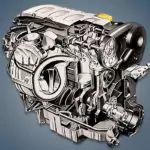
Many engine problems are related to ECU glitches, it's easier to buy another than to repair.

The main problems of the engine are somehow connected with the failures of the Bosch VP44 injection pump.

The life of an Opel owner with such an engine is spent in the fight against airing the system.

A known weak point of this unit is the constantly leaking heat exchanger.

Most often, owners complain about the oil burner and decarbonization does not always help here.

The unit is famous for its reliability, but it has a weak point - an unreliable ECU.

The timing chain, or rather its tensioner, delivers the most problems to owners.

Quite a lot of problems for engines of this series are caused by an unreliable crankcase ventilation system.

Drivers constantly complain about engine traction failures due to failures of the Twinport system.

This is a simple and reliable engine, as it does not have problematic swirl flaps.

The weak point of this unit is the intake manifold swirl flaps.

In the engines of the first years of production, there was a massive marriage in camshafts and phase regulators, but they have…

In the timing drive, three Morse leaf chains with a modest resource are used here, often they are extended even up to…
