
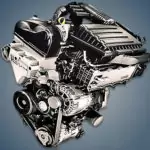
Audi AWX
This is a very reliable engine, but it does not tolerate poor-quality oil.
The Škoda Superb is a Czech executive and business-class car manufactured by Škoda Auto. It has been manufactured since 2001. A total of three generations of the model have been produced. The model’s predecessor is the luxury car of the same name produced from 1932 to 1942. The 1st generation of the current model was based on the 1996 Volkswagen Passat. The 3rd and current generation has been produced since 2015 on the Volkswagen Group MQB platform.
The Skoda Superb was offered with 46 engines since 2001 (25 diesel, 21 petrol). Displacement ranges from 1.4 to 2.5 liters, power output from 101 to 220 hp. 9 use a timing chain and 38 a timing belt. 44 are turbocharged. The longest rated lifespan belongs to the Volkswagen AZM (about 400,000 km).
| Engine | Years | Volume | Power | Fuel | Timing | Oil | Lifespan |
|---|---|---|---|---|---|---|---|
| Skoda Superb 1 (3U) 2001–2008 | |||||||
| Audi AYM | 2001–2003 | 2.5 L V6 | 155 hp | diesel, turbo | belt | 6 L | ~270,000 km |
| Audi AWX | 2001–2008 | 1.9 L R4 | 130 hp | diesel, turbo | belt | 3.8 L | ~300,000 km |
| Volkswagen AWT | 2001–2008 | 1.8 L R4 | 150 hp | petrol, turbo | chain + belt | 3.7 L | ~300,000 km |
| Volkswagen AZM | 2001–2008 | 2.0 L R4 | 115 hp | petrol | belt | 3.5 L | ~400,000 km |
| Volkswagen AVB | 2002–2005 | 1.9 L R4 | 101 hp | diesel, turbo | belt | 3.8 L | ~350,000 km |
| Audi BDG | 2003–2008 | 2.5 L V6 | 163 hp | diesel, turbo | belt | 6 L | ~320,000 km |
| Volkswagen AVF | 2004–2008 | 1.9 L R4 | 130 hp | diesel, turbo | belt | 3.6 L | ~310,000 km |
| Skoda Superb 2 (3T) 2008–2015 | |||||||
| Volkswagen BMP | 2008–2010 | 2.0 L R4 | 140 hp | diesel, turbo | belt | 4.3 L | ~280,000 km |
| Volkswagen BLS | 2008–2010 | 1.9 L R4 | 105 hp | diesel, turbo | belt | 4.3 L | ~300,000 km |
| Volkswagen CDAA | 2008–2013 | 1.8 L R4 | 160 hp | petrol, turbo | chain | 4.6 L | ~250,000 km |
| Volkswagen BZB | 2008–2010 | 1.8 L R4 | 160 hp | petrol, turbo | chain | 4.6 L | ~300,000 km |
| Audi CFGB | 2009–2015 | 2.0 L R4 | 170 hp | diesel, turbo | belt | 4.3 L | ~300,000 km |
| Volkswagen CLJA | 2010–2015 | 2.0 L R4 | 140 hp | diesel, turbo | belt | 4.3 L | ~350,000 km |
| Volkswagen CAYC | 2010–2013 | 1.6 L R4 | 105 hp | diesel, turbo | belt | 4.3 L | ~250,000 km |
| Volkswagen CCZA | 2010–2013 | 2.0 L R4 | 200 hp | petrol, turbo | chain | 4.6 L | ~275,000 km |
| Volkswagen CDAB | 2010–2015 | 1.8 L R4 | 152 hp | petrol, turbo | chain | 4.6 L | ~200,000 km |
| Volkswagen CFHC | 2010–2015 | 2.0 L R4 | 140 hp | diesel, turbo | belt | 4.3 L | ~320,000 km |
| Skoda Superb 3 (3V) 2015–present | |||||||
| Volkswagen CRLB | 2015–present | 2.0 L R4 | 150 hp | diesel, turbo | belt | 4.6 L | ~320,000 km |
| Volkswagen DCXA | 2015–2018 | 1.6 L R4 | 120 hp | diesel, turbo | belt | 5 L | ~300,000 km |
| Volkswagen CHHB | 2015–2018 | 2.0 L R4 | 220 hp | petrol, turbo | chain | 5.7 L | ~240,000 km |
| Volkswagen CJSA | 2015–2019 | 1.8 L R4 | 180 hp | petrol, turbo | chain | 5.2 L | ~260,000 km |
| Volkswagen CZEA | 2015–present | 1.4 L R4 | 150 hp | petrol, turbo | belt | 3.8 L | ~260,000 km |
| Volkswagen CZCA | 2015–2018 | 1.4 L R4 | 125 hp | petrol, turbo | belt | 3.8 L | ~275,000 km |
| Volkswagen DFCA | 2015–2018 | 2.0 L R4 | 190 hp | diesel, turbo | belt | 4.7 L | ~300,000 km |
| Volkswagen DFHA | 2016–2020 | 2.0 L R4 | 190 hp | diesel, turbo | belt | 4.7 L | ~300,000 km |
| Volkswagen DADA | 2018–present | 1.5 L R4 | 150 hp | petrol, turbo | belt | 4.3 L | ~240,000 km |
| Volkswagen DKZA | 2019–present | 2.0 L R4 | 190 hp | petrol, turbo | chain | 5.7 L | ~250,000 km |
| Volkswagen CZPB | 2019–present | 2.0 L R4 | 190 hp | petrol, turbo | chain | 5.7 L | ~260,000 km |
| Volkswagen DSRB | 2019–2020 | 2.0 L R4 | 150 hp | diesel, turbo | belt | 5.1 L | ~300,000 km |
| Volkswagen DGEB | 2019–2022 | 1.4 L R4 | 156 hp | petrol, turbo | belt | 4 L | ~250,000 km |
| Volkswagen DCZA | 2019–2020 | 1.6 L R4 | 120 hp | diesel, turbo | belt | 4.7 L | ~300,000 km |
| Volkswagen DSRA | 2019–2020 | 2.0 L R4 | 150 hp | diesel, turbo | belt | 5.1 L | ~300,000 km |
| Volkswagen DTSA | 2020–2023 | 2.0 L R4 | 150 hp | diesel, turbo | belt | 5.1 L | ~300,000 km |
| Audi DTSB | 2020–2024 | 2.0 L R4 | 150 hp | diesel, turbo | belt | 5.1 L | ~300,000 km |
| Volkswagen DTUA | 2020–2023 | 2.0 L R4 | 200 hp | diesel | belt | 6 L | ~120,000 km |
| Volkswagen DSUB | 2020 | 2.0 L R4 | 122 hp | diesel, turbo | belt | 5.1 L | ~300,000 km |
| Volkswagen DTRA | 2020–2023 | 2.0 L R4 | 122 hp | diesel, turbo | belt | 5.1 L | ~300,000 km |
| Skoda Superb China 3 (NT) 2016–2026 | |||||||
| Volkswagen CSSA | 2016–2019 | 1.4 L R4 | 150 hp | petrol, turbo | belt | 4 L | ~250,000 km |
| Volkswagen DJSA | 2019–2023 | 1.4 L R4 | 150 hp | petrol, turbo | belt | 4 L | ~250,000 km |
| Volkswagen DLEA | 2023–2026 | 1.4 L R4 | 150 hp | petrol, turbo | belt | 4 L | ~250,000 km |
| Skoda Superb 4 (3Y) 2023–present | |||||||
| Volkswagen DXPA | 2023–present | 2.0 L R4 | 150 hp | diesel, turbo | belt | 5.1 L | ~300,000 km |
| Audi DUCB | 2024–present | 1.5 L R4 | 150 hp | petrol, turbo | belt | 4.3 L | ~250,000 km |
| Audi DXNB | 2024–present | 2.0 L R4 | 193 hp | diesel, turbo | belt | 5.5 L | ~250,000 km |
| Volkswagen DUCA | 2026–present | 1.5 L R4 | 177 hp | petrol, turbo | belt | 4.3 L | ~250,000 km |
| Skoda Superb 3 (3V) 2019-2024 | |||||||
| Audi DPCA | 1.5 L R4 | 150 hp | petrol, turbo | belt | 4.3 L | ~250,000 km | |
| Other Skoda Superb engines generation not specified | |||||||
| Volkswagen DXDB | 2022–present | 1.5 L R4 | 150 hp | petrol, turbo | belt | 4.3 L | ~250,000 km |
Skoda Superb 1 (3U) (2001–2008): Audi AYM, Audi AWX, Volkswagen AWT, Volkswagen AZM, Volkswagen AVB, Audi BDG and Volkswagen AVF; Skoda Superb 2 (3T) (2008–2015): Volkswagen BMP, Volkswagen BLS, Volkswagen CDAA, Volkswagen BZB, Audi CFGB, Volkswagen CLJA, Volkswagen CAYC, Volkswagen CCZA, Volkswagen CDAB and Volkswagen CFHC; Skoda Superb 3 (3V) (2015–present): Volkswagen CRLB, Volkswagen DCXA, Volkswagen CHHB, Volkswagen CJSA, Volkswagen CZEA, Volkswagen CZCA, Volkswagen DFCA, Volkswagen DFHA, Volkswagen DADA, Volkswagen DKZA, Volkswagen CZPB, Volkswagen DSRB, Volkswagen DGEB, Volkswagen DCZA, Volkswagen DSRA, Volkswagen DTSA, Audi DTSB, Volkswagen DTUA, Volkswagen DSUB and Volkswagen DTRA; Skoda Superb China 3 (NT) (2016–2026): Volkswagen CSSA, Volkswagen DJSA and Volkswagen DLEA; Skoda Superb 4 (3Y) (2023–present): Volkswagen DXPA, Audi DUCB, Audi DXNB and Volkswagen DUCA; Skoda Superb 3 (3V) 2019-2024: Audi DPCA.
By rated service life the most durable Skoda Superb engines are: Volkswagen AZM — about 400,000 km; Volkswagen AVB — about 350,000 km; Volkswagen CLJA — about 350,000 km. Actual lifespan depends heavily on maintenance and oil change intervals.
Engine oil capacity with filter: Audi AWX — 3.8 L (5W-40); Audi AYM — 6 L (5W-30); Audi BDG — 6 L (5W-30); Audi CFGB — 4.3 L (5W-30); Audi DPCA — 4.3 L (0W-20); Audi DTSB — 5.1 L (0W-20); Audi DUCB — 4.3 L (0W-20); Audi DXNB — 5.5 L (0W-20); Volkswagen AVB — 3.8 L (5W-40); Volkswagen AVF — 3.6 L (5W-40); Volkswagen AWT — 3.7 L (5W-30); Volkswagen AZM — 3.5 L (5W-30); Volkswagen BLS — 4.3 L (5W-40); Volkswagen BMP — 4.3 L (5W-30); Volkswagen BZB — 4.6 L (5W-30); Volkswagen CAYC — 4.3 L (5W-30); Volkswagen CCZA — 4.6 L (5W-30); Volkswagen CDAA — 4.6 L (5W-30); Volkswagen CDAB — 4.6 L (5W-30, 5W-40); Volkswagen CFHC — 4.3 L (5W-30); Volkswagen CHHB — 5.7 L (5W-30); Volkswagen CJSA — 5.2 L (5W-30); Volkswagen CLJA — 4.3 L (5W-30); Volkswagen CRLB — 4.6 L (5W-30); Volkswagen CSSA — 4 L (5W-30); Volkswagen CZCA — 3.8 L (5W-30); Volkswagen CZEA — 3.8 L (5W-30); Volkswagen CZPB — 5.7 L (0W-20); Volkswagen DADA — 4.3 L (0W-20); Volkswagen DCXA — 5 L (5W-30); Volkswagen DCZA — 4.7 L (5W-30); Volkswagen DFCA — 4.7 L (5W-30); Volkswagen DFHA — 4.7 L (5W-30); Volkswagen DGEB — 4 L (0W-20); Volkswagen DJSA — 4 L (0W-20); Volkswagen DKZA — 5.7 L (0W-30); Volkswagen DLEA — 4 L (5W-30); Volkswagen DSRA — 5.1 L (0W-20); Volkswagen DSRB — 5.1 L (0W-20); Volkswagen DSUB — 5.1 L (0W-20); Volkswagen DTRA — 5.1 L (0W-20); Volkswagen DTSA — 5.1 L (0W-20); Volkswagen DTUA — 6 L (0W-20); Volkswagen DUCA — 4.3 L (0W-20); Volkswagen DXDB — 4.3 L (0W-20); Volkswagen DXPA — 5.1 L (0W-20).
Timing chain: Volkswagen AWT, Volkswagen BZB, Volkswagen CCZA, Volkswagen CDAA, Volkswagen CDAB, Volkswagen CHHB, Volkswagen CJSA, Volkswagen CZPB and Volkswagen DKZA; timing belt: Audi AWX, Audi AYM, Audi BDG, Audi CFGB, Audi DPCA, Audi DTSB, Audi DUCB, Audi DXNB, Volkswagen AVB, Volkswagen AVF, Volkswagen AWT, Volkswagen AZM, Volkswagen BLS, Volkswagen BMP, Volkswagen CAYC, Volkswagen CFHC, Volkswagen CLJA, Volkswagen CRLB, Volkswagen CSSA, Volkswagen CZCA, Volkswagen CZEA, Volkswagen DADA, Volkswagen DCXA, Volkswagen DCZA, Volkswagen DFCA, Volkswagen DFHA, Volkswagen DGEB, Volkswagen DJSA, Volkswagen DLEA, Volkswagen DSRA, Volkswagen DSRB, Volkswagen DSUB, Volkswagen DTRA, Volkswagen DTSA, Volkswagen DTUA, Volkswagen DUCA, Volkswagen DXDB and Volkswagen DXPA. Belts must be replaced on schedule: on many engines a broken belt bends the valves.
Yes: Audi AWX, Audi AYM, Audi BDG, Audi CFGB, Audi DTSB, Audi DXNB, Volkswagen AVB, Volkswagen AVF, Volkswagen BLS, Volkswagen BMP, Volkswagen CAYC, Volkswagen CFHC, Volkswagen CLJA, Volkswagen CRLB, Volkswagen DCXA, Volkswagen DCZA, Volkswagen DFCA, Volkswagen DFHA, Volkswagen DSRA, Volkswagen DSRB, Volkswagen DSUB, Volkswagen DTRA, Volkswagen DTSA, Volkswagen DTUA and Volkswagen DXPA.
This is a very reliable engine, but it does not tolerate poor-quality oil.

The reliability of this engine largely depends on the quality of the oil used.

This very reliable diesel engine is quite picky about oil quality.

The turbocharger often fails due to oil coking or a clogged catalytic converter.

The engine is considered very reliable and troubles its owners only with minor issues.

First of all, the camshaft lobes and rocker arms wear very quickly.

The most common problems of this diesel are related to failures of the VP44 injection pump.

These are quite reliable engines, and problems occur only at high mileage.

The best-known engine problem is wear of the oil pump hex drive.

This engine is prone to oil consumption only if the crankcase ventilation system is clogged.

Above all, owners complain about high oil consumption due to stuck piston rings.

The best-known problem with this engine is oil consumption due to stuck piston rings.

The Bosch fuel system with electromagnetic injectors has a long service life.

This diesel engine is considered quite reliable, but it is sensitive to poor-quality fuel.

The use of lightweight pistons and connecting rods with poorly designed rings caused the engine to consume oil from the start, with…

This is an updated diesel version, and most weaknesses of the series have already been eliminated.

This is a very reliable diesel engine, in which the weaknesses of its predecessors have already been eliminated.

The most serious engine failures are associated with a drop in oil pressure.

The fuel system does not tolerate poor-quality fuel, and repairs are expensive.

In this generation of engines, the oil consumption problem is not acute, but there are still many complaints.

Most often, car owners with this engine complain about oil consumption.

A reliable turbo engine with a long service life, but only if you do not skimp on maintenance.
The complex and expensive ACT system causes uneven camshaft wear.

Owners on specialist forums praise this engine, complaining only about oil leaks.

Oil leaks from the crankshaft seal and coolant leaks from the intake manifold intercooler are common.

So far, the engine has proven reliable and rarely causes owners any trouble.

Oil leaks from the crankshaft seal and coolant leaks from the intake intercooler are common.

Due to the relative novelty of this engine, there is little information about its malfunctions.

A reliable turbo engine with a long service life, but only if you do not skimp on maintenance.

The weak point of the engine is the short-lived plastic water pump housing.

Mechanically reliable, but owners often report electrical glitches, especially of the start-stop and brake energy recovery systems.

Oil leaks from the crankshaft seal and coolant leaks from the intake intercooler are common.

The hybrid powertrain as a whole is reliable; most complaints concern the DSG gearbox mechatronics rather than the engine.

Oil leaks from the crankshaft seal and coolant leaks from the intake intercooler are common.

Oil leaks from the crankshaft seal and coolant leaks from the intake manifold intercooler are common.

Oil leaks from the crankshaft seal and coolant leaks from the intake intercooler are common.

Oil leaks from the crankshaft seal and coolant leaks from the intake intercooler are common.

Oil leaks from the crankshaft seal and coolant leaks from the intake manifold intercooler are common.

Oil leaks from the crankshaft seal and coolant leaks from the intake manifold intercooler are common.

Oil leaks from the crankshaft seal and coolant leaks from the intake manifold intercooler are common.

A reliable turbo engine with a long service life, provided maintenance is not neglected.

Many owners complain about jerky operation when cold, the so-called kangaroo effect, especially in first gear.

Oil leaks from the crankshaft seal and coolant leaks from the intake manifold intercooler are common.

The engine is new, so there are few failure statistics yet.

Oil leaks from the crankshaft seal and coolant leaks from the intake intercooler are common.

The engine is new, so there are few failure statistics yet.
The most complete catalog of car and truck engines: specifications, oil capacity, timing drive, typical problems and lifespan.
We use cookies for website statistics (Yandex Metrica) and advertising (Google AdSense). Details are in our privacy policy.