
Volkswagen JP
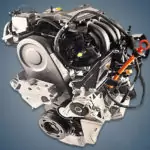
This is an old-style diesel engine: it works noisily, vibrates strongly, is afraid of frost.
The Volkswagen Caddy is a German light commercial vehicle from the manufacturer Volkswagen. Production started in 1979. The car is sold all over the world, and from 2004 to the present, its last 3rd generation has been produced. The Caddy is available in two body styles: a 7-seater minivan and a 2-seater van. In 2010 and 2015, it underwent a change in the exterior in full accordance with the new models of the line and acquired a more dynamic and aggressive design.
The Volkswagen Caddy was offered with 38 engines since 1983 (15 diesel, 23 petrol). Displacement ranges from 1.0 to 2.0 liters, power output from 54 to 150 hp. 2 use a timing chain and 36 a timing belt. 24 are turbocharged. The longest rated lifespan belongs to the Volkswagen 1Y (about 500,000 km).
| Engine | Years | Volume | Power | Fuel | Timing | Oil | Lifespan |
|---|---|---|---|---|---|---|---|
| Volkswagen Caddy 1 (14) 1983–1992 | |||||||
| Volkswagen JP | 1983–1992 | 1.6 L R4 | 54 hp | diesel | belt | 4 L | ~380,000 km |
| Volkswagen Caddy 2 (9K) 1995–2003 | |||||||
| Volkswagen AEY | 1995–2000 | 1.9 L R4 | 64 hp | diesel | belt | 4.3 L | ~500,000 km |
| Volkswagen 1Z | 1995–1996 | 1.9 L R4 | 90 hp | diesel, turbo | belt | 4.3 L | ~450,000 km |
| Volkswagen 1Y | 1995–2003 | 1.9 L R4 | 64–68 hp | diesel | belt | 4.3 L | ~500,000 km |
| Volkswagen AEX | 1995–1999 | 1.4 L R4 | 60 hp | petrol | belt | 3.2 L | ~275,000 km |
| Volkswagen AHU | 1996–2000 | 1.9 L R4 | 90 hp | diesel, turbo | belt | 4.3 L | ~430,000 km |
| Volkswagen AEE | 1996–2000 | 1.6 L R4 | 75 hp | petrol | belt | 4 L | ~330,000 km |
| Volkswagen ALH | 2000–2003 | 1.9 L R4 | 90 hp | diesel, turbo | belt | 4.3 L | ~440,000 km |
| Volkswagen Caddy 3 (2K) 2003–2015 | |||||||
| Volkswagen BGU | 2003–2005 | 1.6 L R4 | 102 hp | petrol | belt | 4.5 L | ~340,000 km |
| Volkswagen BCA | 2003–2006 | 1.4 L R4 | 75 hp | petrol | belt | 3.2 L | ~280,000 km |
| Volkswagen BLS | 2005–2010 | 1.9 L R4 | 105 hp | diesel, turbo | belt | 4.3 L | ~300,000 km |
| Volkswagen BSF | 2005–2015 | 1.6 L R4 | 102 hp | petrol | belt | 4.5 L | ~350,000 km |
| Volkswagen BSE | 2005–2010 | 1.6 L R4 | 102 hp | petrol | belt | 4.5 L | ~400,000 km |
| Volkswagen BUD | 2006–2010 | 1.4 L R4 | 80 hp | petrol | belt | 3.2 L | ~275,000 km |
| Volkswagen BSX | 2006–2015 | 2.0 L R4 | 109 hp | petrol | belt | 4 L | ~300,000 km |
| Volkswagen BMM | 2007–2010 | 2.0 L R4 | 140 hp | diesel, turbo | belt | 4.3 L | ~280,000 km |
| Volkswagen CBZA | 2010–2015 | 1.2 L R4 | 86 hp | petrol, turbo | chain | 3.8 L | ~250,000 km |
| Volkswagen CLCA | 2010–2015 | 2.0 L R4 | 110 hp | diesel, turbo | belt | 4.3 L | ~400,000 km |
| Volkswagen CBZB | 2010–2015 | 1.2 L R4 | 105 hp | petrol, turbo | chain | 3.8 L | ~240,000 km |
| Volkswagen CFHC | 2010–2015 | 2.0 L R4 | 140 hp | diesel, turbo | belt | 4.3 L | ~320,000 km |
| Volkswagen Caddy 4 (SA) 2015–2020 | |||||||
| Volkswagen CWVA | 2015–2020 | 1.6 L R4 | 110 hp | petrol | belt | 3.6 L | ~220,000 km |
| Volkswagen CPWA | 2015–2020 | 1.4 L R4 | 110 hp | petrol, turbo | belt | 4 L | ~250,000 km |
| Volkswagen CHZG | 2015–2018 | 1.0 L R3 | 102 hp | petrol, turbo | belt | 4 L | ~250,000 km |
| Volkswagen CYVC | 2015–2018 | 1.2 L R4 | 84 hp | petrol | belt | 4 L | ~100,000 km |
| Volkswagen CZCB | 2015–2020 | 1.4 L R4 | 125 hp | petrol, turbo | belt | 4 L | ~250,000 km |
| Volkswagen CUUB | 2015 | 2.0 L R4 | 150 hp | diesel, turbo | belt | 4.7 L | ~300,000 km |
| Volkswagen DFSD | 2015–2020 | 2.0 L R4 | 102 hp | diesel, turbo | belt | 4.7 L | ~300,000 km |
| Volkswagen DKRD | 2018–2019 | 1.0 L R3 | 84 hp | petrol, turbo | belt | 4 L | ~250,000 km |
| Volkswagen DKRE | 2018–2020 | 1.0 L R3 | 102 hp | petrol, turbo | belt | 4 L | ~250,000 km |
| Volkswagen DJKD | 2018–2020 | 1.4 L R4 | 131 hp | petrol, turbo | belt | 4 L | ~250,000 km |
| Volkswagen Caddy 5 (SB) 2020–present | |||||||
| Volkswagen DPBC | 2020–2024 | 1.5 L R4 | 114 hp | petrol, turbo | belt | 4.3 L | ~250,000 km |
| Volkswagen DTRC | 2020–2024 | 2.0 L R4 | 122 hp | diesel, turbo | belt | 5.1 L | ~300,000 km |
| Volkswagen DTRE | 2020–2024 | 2.0 L R4 | 102 hp | diesel, turbo | belt | 5.1 L | ~300,000 km |
| Volkswagen DWYA | 2021–present | 1.6 L R4 | 110 hp | petrol | belt | 4 L | ~300,000 km |
| Volkswagen DHFA | 2022–2023 | 1.5 L R4 | 131 hp | petrol, turbo | belt | 4.3 L | ~250,000 km |
| Volkswagen DXDE | 2024–present | 1.5 L R4 | 116 hp | petrol, turbo | belt | 4.3 L | ~250,000 km |
| Volkswagen DUCC | 2024–present | 1.5 L R4 | 116 hp | petrol, turbo | belt | 4.3 L | ~250,000 km |
| Volkswagen DXRA | 2024–present | 2.0 L R4 | 122 hp | diesel, turbo | belt | 5.1 L | ~300,000 km |
Volkswagen Caddy 1 (14) (1983–1992): Volkswagen JP; Volkswagen Caddy 2 (9K) (1995–2003): Volkswagen AEY, Volkswagen 1Z, Volkswagen 1Y, Volkswagen AEX, Volkswagen AHU, Volkswagen AEE and Volkswagen ALH; Volkswagen Caddy 3 (2K) (2003–2015): Volkswagen BGU, Volkswagen BCA, Volkswagen BLS, Volkswagen BSF, Volkswagen BSE, Volkswagen BUD, Volkswagen BSX, Volkswagen BMM, Volkswagen CBZA, Volkswagen CLCA, Volkswagen CBZB and Volkswagen CFHC; Volkswagen Caddy 4 (SA) (2015–2020): Volkswagen CWVA, Volkswagen CPWA, Volkswagen CHZG, Volkswagen CYVC, Volkswagen CZCB, Volkswagen CUUB, Volkswagen DFSD, Volkswagen DKRD, Volkswagen DKRE and Volkswagen DJKD; Volkswagen Caddy 5 (SB) (2020–present): Volkswagen DPBC, Volkswagen DTRC, Volkswagen DTRE, Volkswagen DWYA, Volkswagen DHFA, Volkswagen DXDE, Volkswagen DUCC and Volkswagen DXRA.
By rated service life the most durable Volkswagen Caddy engines are: Volkswagen 1Y — about 500,000 km; Volkswagen AEY — about 500,000 km; Volkswagen 1Z — about 450,000 km. Actual lifespan depends heavily on maintenance and oil change intervals.
Engine oil capacity with filter: Volkswagen 1Y — 4.3 L (5W-30); Volkswagen 1Z — 4.3 L (5W-40); Volkswagen AEE — 4 L (5W-30); Volkswagen AEX — 3.2 L (5W-30); Volkswagen AEY — 4.3 L (5W-40); Volkswagen AHU — 4.3 L (5W-40); Volkswagen ALH — 4.3 L (5W-40); Volkswagen BCA — 3.2 L (5W-30); Volkswagen BGU — 4.5 L (5W-40 (approval: VW 502 00 or VW 505 00)); Volkswagen BLS — 4.3 L (5W-40); Volkswagen BMM — 4.3 L (5W-30); Volkswagen BSE — 4.5 L (5W-30); Volkswagen BSF — 4.5 L (5W-30); Volkswagen BSX — 4 L (5W-30); Volkswagen BUD — 3.2 L (5W-30); Volkswagen CBZA — 3.8 L (5W-30); Volkswagen CBZB — 3.8 L (5W-30); Volkswagen CFHC — 4.3 L (5W-30); Volkswagen CHZG — 4 L (5W-30); Volkswagen CLCA — 4.3 L (5W-30); Volkswagen CPWA — 4 L (5W-30); Volkswagen CUUB — 4.7 L (5W-30); Volkswagen CWVA — 3.6 L (5W-30, 5W-40); Volkswagen CYVC — 4 L (5W-30); Volkswagen CZCB — 4 L (5W-30); Volkswagen DFSD — 4.7 L (5W-30); Volkswagen DHFA — 4.3 L (0W-20); Volkswagen DJKD — 4 L (5W-30); Volkswagen DKRD — 4 L (5W-30); Volkswagen DKRE — 4 L (5W-30); Volkswagen DPBC — 4.3 L (0W-20); Volkswagen DTRC — 5.1 L (0W-20); Volkswagen DTRE — 5.1 L (0W-20); Volkswagen DUCC — 4.3 L (0W-20); Volkswagen DWYA — 4 L (5W-30); Volkswagen DXDE — 4.3 L (0W-20); Volkswagen DXRA — 5.1 L (0W-20); Volkswagen JP — 4 L (5W-40).
Timing chain: Volkswagen CBZA and Volkswagen CBZB; timing belt: Volkswagen 1Y, Volkswagen 1Z, Volkswagen AEE, Volkswagen AEX, Volkswagen AEY, Volkswagen AHU, Volkswagen ALH, Volkswagen BCA, Volkswagen BGU, Volkswagen BLS, Volkswagen BMM, Volkswagen BSE, Volkswagen BSF, Volkswagen BSX, Volkswagen BUD, Volkswagen CFHC, Volkswagen CHZG, Volkswagen CLCA, Volkswagen CPWA, Volkswagen CUUB, Volkswagen CWVA, Volkswagen CYVC, Volkswagen CZCB, Volkswagen DFSD, Volkswagen DHFA, Volkswagen DJKD, Volkswagen DKRD, Volkswagen DKRE, Volkswagen DPBC, Volkswagen DTRC, Volkswagen DTRE, Volkswagen DUCC, Volkswagen DWYA, Volkswagen DXDE, Volkswagen DXRA and Volkswagen JP. Belts must be replaced on schedule: on many engines a broken belt bends the valves.
Yes: Volkswagen 1Y, Volkswagen 1Z, Volkswagen AEY, Volkswagen AHU, Volkswagen ALH, Volkswagen BLS, Volkswagen BMM, Volkswagen CFHC, Volkswagen CLCA, Volkswagen CUUB, Volkswagen DFSD, Volkswagen DTRC, Volkswagen DTRE, Volkswagen DXRA and Volkswagen JP.
This is an old-style diesel engine: it works noisily, vibrates strongly, is afraid of frost.

This is a very hardy motor, the runs of many of them have already exceeded 500,000 km.

This is a very reliable motor and breakdowns happen only at very high mileage.

Most of the problems for owners are caused by an unreliable ignition system.

This power unit is simple and reliable, but it is not very convenient to maintain.

On specialized forums, they often complain about the low power of this diesel engine than about problems.

Most of the complaints are about dips in traction due to contamination of the turbine valve or EGR.

The main culprit for thrust failures is contamination of the turbine valve or EGR.

This unit is considered quite reliable, but has one unpleasant feature.

This is a simple design and reliable engine, it worries only at high mileage.

A lot of diesel problems are due to the vagaries of its piezoelectric unit injectors.

These are quite reliable units and problems happen only at high mileage.

This is a fairly reliable motor and the main complaints of the owners are related to the oil burner. By a run…
This is a simple and reliable engine and it does not cause big problems to the owners.

The engines of the first years came under a revocable campaign to replace the gas reducer.

This engine is considered average in terms of reliability and, moreover, it is quite noisy.

The first year of production, the main problem of the motor was a very low resource of the timing chain.

This is the simplest version of the diesel without swirl flaps or balance shafts.

The first years of production, the timing chain resource ranged from 30 to 50 thousand kilometers.

This is an updated version of diesels and most of the weaknesses of the series have already been eliminated.

This engine is designed for natural gas (CNG) and is best run on it; on petrol use 98-octane fuel to avoid detonation.

Oil leaks from the crankshaft seal and coolant leaks from the intake intercooler are common.

The most famous problem is high oil consumption and it increases due to the occurrence of rings. The owners are struggling with…

A durable turbo engine, but only with proper maintenance.

A durable turbo engine, but only with proper maintenance.

A reliable turbo engine with a long life, but only if you do not save on maintenance.

Oil leaks from the crankshaft seal and coolant leaks from the intake intercooler are common.

A reliable turbo engine with a long life, but only if you do not save on maintenance.

A durable turbo engine, but only with proper maintenance.

A durable turbo engine, but only with proper maintenance.

This engine is designed for natural gas (CNG) and is best run on it; on petrol use 98-octane fuel to avoid detonation.

Many owners complain about jerky operation when cold, the so-called kangaroo effect, especially in first gear.

Oil leaks from the crankshaft seal and coolant leaks from the intake intercooler are common.

Oil leaks from the crankshaft seal and coolant leaks from the intake intercooler are common.

A simple naturally aspirated engine that lasts up to 300,000 km with proper care.

The engine is new, so there are few failure statistics yet.

Many owners complain about jerky operation when cold, the so-called kangaroo effect, especially in first gear.

Oil leaks from the crankshaft seal and coolant leaks from the intake intercooler are common.
The most complete catalog of car and truck engines: specifications, oil capacity, timing drive, typical problems and lifespan.
We use cookies for website statistics (Yandex Metrica) and advertising (Google AdSense). Details are in our privacy policy.