

Mercedes OM616
This is a very reliable and hardy diesel engine with just a huge resource and the most famous weak point is the…
Mercedes-Benz E-Class is a series of business class passenger cars from Mercedes-Benz. The car began to be manufactured in 1993. Today 5 generations of cars are known. The latter has been released since 2016. The name of the series is given from the first letter of the word “Einspritzung”, translated from German as “fuel injection”. In view of the great demand to satisfy the domestic market, cars are manufactured not only in Germany, but also in China, India and many other countries.
The Mercedes-Benz E-Class was offered with 52 engines since 1973 (32 petrol, 20 diesel). Displacement ranges from 0.6 to 6.2 liters, power output from 65 to 639 hp. All of them use a timing chain. 25 are turbocharged. The longest rated lifespan belongs to the Mercedes OM616 (about 800,000 km).
| Engine | Years | Volume | Power | Fuel | Timing | Oil | Lifespan |
|---|---|---|---|---|---|---|---|
| Mercedes-Benz E-Class W115 1973–1976 | |||||||
| Mercedes OM616 | 1973–1976 | 2.4 L R4 | 65–75 hp | diesel | chain | 6.5 L | ~800,000 km |
| Mercedes-Benz E-Class W114 1974–1976 | |||||||
| Mercedes OM617 | 1974–1976 | 0.6–3.0 L R5 | 80–125 hp | diesel | chain | 6.5 L | |
| Mercedes-Benz E-Class W123 1976–1986 | |||||||
| Mercedes OM617 | 1976–1986 | 0.6–3.0 L R5 | 80–125 hp | diesel | chain | 6.5 L | |
| Mercedes OM616 | 1976–1986 | 2.4 L R4 | 65–75 hp | diesel | chain | 6.5 L | ~800,000 km |
| Mercedes M102 | 1980–1986 | 1.8–2.3 L R4 | 86–136 hp | petrol | chain | 4.5–5 L | ~400,000 km |
| Mercedes-Benz E-Class W124 1984–1997 | |||||||
| Mercedes OM603 | 1984–1995 | 3.0–3.4 L R6 | 109–150 hp | diesel, NA / turbo | chain | 7.5 L | ~450,000 km |
| Mercedes OM601 | 1984–1995 | 2.0–2.3 L R4 | 72–98 hp | diesel, NA / turbo | chain | 6 L | ~500,000 km |
| Mercedes OM602 | 1985–1996 | 2.5–2.9 L R5 | 84–129 hp | diesel, NA / turbo | chain | 7 L | ~450,000 km |
| Mercedes M102 | 1985–1992 | 1.8–2.3 L R4 | 86–136 hp | petrol | chain | 4.5–5 L | ~400,000 km |
| Mercedes M103 E30 | 1985–1993 | 3.0 L R6 | 180–190 hp | petrol | chain | 6 L | ~450,000 km |
| Mercedes M103 E26 | 1986–1993 | 2.6 L R6 | 160–165 hp | petrol | chain | 6 L | ~450,000 km |
| Mercedes M104 E30 | 1989–1993 | 3.0 L R6 | 220–230 hp | petrol | chain | 7 L | ~500,000 km |
| Mercedes M119 E50 | 1991–1995 | 5.0 L V8 | 320 hp | petrol | chain | 8 L | ~450,000 km |
| Mercedes M119 E42 | 1991–1995 | 4.2 L V8 | 272–286 hp | petrol | chain | 6.5 L | ~400,000 km |
| Mercedes M111 E20 | 1992–1997 | 2.0 L R4 | 136–192 hp | petrol | chain | 5.5 L | ~420,000 km |
| Mercedes M104 E32 | 1992–1997 | 3.2 L R6 | 220–230 hp | petrol | chain | 7 L | ~500,000 km |
| Mercedes M104 E28 | 1992–1995 | 2.8 L R6 | 193–197 hp | petrol | chain | 7 L | ~500,000 km |
| Mercedes M111 E22 | 1992–1997 | 2.2 L R4 | 150 hp | petrol | chain | 5.5 L | ~430,000 km |
| Mercedes OM605 | 1993–1996 | 2.5 L R5 | 113–150 hp | diesel, NA / turbo | chain | 6.5 L | ~400,000 km |
| Mercedes OM606 | 1993–1996 | 3.0 L R6 | 136–177 hp | diesel, NA / turbo | chain | 7.5 L | ~500,000 km |
| Mercedes M119 E60 | 1993–1995 | 6.0 L V8 | 374–381 hp | petrol | chain | 8 L | ~500,000 km |
| Mercedes-Benz E-Class W210 1995–2003 | |||||||
| Mercedes OM604 | 1995–1998 | 2.0–2.2 L R4 | 88–95 hp | diesel | chain | 6.5 L | ~450,000 km |
| Mercedes OM605 | 1995–1999 | 2.5 L R5 | 113–150 hp | diesel, NA / turbo | chain | 6.5 L | ~400,000 km |
| Mercedes OM606 | 1995–1999 | 3.0 L R6 | 136–177 hp | diesel, NA / turbo | chain | 7.5 L | ~500,000 km |
| Mercedes M119 E50 | 1995–1999 | 5.0 L V8 | 320 hp | petrol | chain | 8 L | ~450,000 km |
| Mercedes M111 E23 | 1995–1998 | 2.3 L R4 | 143–193 hp | petrol | chain | 5.5 L | ~450,000 km |
| Mercedes M119 E42 | 1995–1999 | 4.2 L V8 | 272–286 hp | petrol | chain | 6.5 L | ~400,000 km |
| Mercedes M111 E20 | 1995–2003 | 2.0 L R4 | 136–192 hp | petrol | chain | 5.5 L | ~420,000 km |
| Mercedes M104 E32 | 1995–1997 | 3.2 L R6 | 220–230 hp | petrol | chain | 7 L | ~500,000 km |
| Mercedes M104 E28 | 1995–1997 | 2.8 L R6 | 193–197 hp | petrol | chain | 7 L | ~500,000 km |
| Mercedes OM602 | 1996–1999 | 2.5–2.9 L R5 | 84–129 hp | diesel, NA / turbo | chain | 7 L | ~450,000 km |
| Mercedes M112 E28 | 1996–2002 | 2.8 L V6 | 197–204 hp | petrol | chain | 7.5 L | ~330,000 km |
| Mercedes M112 E24 | 1996–2000 | 2.4 L V6 | 170 hp | petrol | chain | 7.5 L | ~275,000 km |
| Mercedes M119 E60 | 1996–1999 | 6.0 L V8 | 374–381 hp | petrol | chain | 8 L | ~500,000 km |
| Mercedes OM611 | 1997–2002 | 2.1–2.2 L R4 | 82–143 hp | diesel, turbo | chain | 6.5–8.5 L | ~500,000 km |
| Mercedes M112 E32 | 1998–2003 | 3.2 L V6 | 190–354 hp | petrol | chain | 7.5 L | ~350,000 km |
| Mercedes OM613 | 1999–2003 | 3.2 L R6 | 197 hp | diesel, turbo | chain | 7.5 L | ~400,000 km |
| Mercedes OM612 | 1999–2003 | 2.7 L R5 | 156–170 hp | diesel, turbo | chain | 7.5 L | ~350,000 km |
| Mercedes M112 E26 | 1999–2002 | 2.6 L V6 | 170–177 hp | petrol | chain | 7.5 L | ~300,000 km |
| Mercedes-Benz E-Class W211 2002–2009 | |||||||
| Mercedes M112 E32 | 2002–2005 | 3.2 L V6 | 190–354 hp | petrol | chain | 7.5 L | ~350,000 km |
| Mercedes OM647 | 2002–2005 | 2.7 L R5 | 177 hp | diesel, turbo | chain | 6.5 L | ~330,000 km |
| Mercedes OM648 | 2002–2006 | 3.2 L R6 | 177–204 hp | diesel, turbo | chain | 7.5 L | ~400,000 km |
| Mercedes OM628 | 2002–2005 | 4.0 L V8 | 250–260 hp | diesel, turbo | chain | 10.5 L | ~300,000 km |
| Mercedes M271 E18 | 2002–2009 | 1.8 L R4 | 122–204 hp | petrol, turbo | chain | 5.5 L | ~320,000 km |
| Mercedes M113 E50 | 2002–2006 | 5.0 L V8 | 296–306 hp | petrol | chain | 8 L | ~350,000 km |
| Mercedes M112 E26 | 2002–2005 | 2.6 L V6 | 170–177 hp | petrol | chain | 7.5 L | ~300,000 km |
| Mercedes OM646 | 2002–2009 | 2.1 L R4 | 88–170 hp | diesel, turbo | chain | 6.5–9.5 L | ~400,000 km |
| Mercedes M272 E35 | 2005–2009 | 3.5 L V6 | 258–292 hp | petrol | chain | 8 L | ~320,000 km |
| Mercedes M272 E30 | 2005–2009 | 3.0 L V6 | 231 hp | petrol | chain | 8 L | ~300,000 km |
| Mercedes M272 E25 | 2005–2009 | 2.5 L V6 | 204 hp | petrol | chain | 8 L | ~275,000 km |
| Mercedes OM629 | 2006–2009 | 4.0 L V8 | 306–320 hp | diesel, turbo | chain | 10.5 L | ~280,000 km |
| Mercedes M273 | 2006–2009 | 4.7–5.5 L V8 | 340–388 hp | petrol | chain | 8.5 L | ~350,000 km |
| Mercedes M156 | 2006–2009 | 6.2 L V8 | 457–525 hp | petrol | chain | 9 L | ~250,000 km |
| Mercedes OM642 | 2007–2009 | 3.0 L V6 | 184–265 hp | diesel, turbo | chain | 8–12 L | ~450,000 km |
| Mercedes-Benz E-Class C207 2009–2017 | |||||||
| Mercedes M271 E18 | 2009–2013 | 1.8 L R4 | 122–204 hp | petrol, turbo | chain | 5.5 L | ~320,000 km |
| Mercedes M273 | 2009–2011 | 4.7–5.5 L V8 | 340–388 hp | petrol | chain | 8.5 L | ~350,000 km |
| Mercedes M272 E35 | 2009–2011 | 3.5 L V6 | 258–292 hp | petrol | chain | 8 L | ~320,000 km |
| Mercedes OM642 | 2009–2017 | 3.0 L V6 | 184–265 hp | diesel, turbo | chain | 8–12 L | ~450,000 km |
| Mercedes M276 DE30 | 2013–2017 | 3.0 L V6 | 272–367 hp | petrol, turbo | chain | 8 L | ~250,000 km |
| Mercedes-Benz E-Class W212 2009–2016 | |||||||
| Mercedes M271 E18 | 2009–2013 | 1.8 L R4 | 122–204 hp | petrol, turbo | chain | 5.5 L | ~320,000 km |
| Mercedes M273 | 2009–2011 | 4.7–5.5 L V8 | 340–388 hp | petrol | chain | 8.5 L | ~350,000 km |
| Mercedes M272 E35 | 2009–2011 | 3.5 L V6 | 258–292 hp | petrol | chain | 8 L | ~320,000 km |
| Mercedes M272 E30 | 2009–2011 | 3.0 L V6 | 231 hp | petrol | chain | 8 L | ~300,000 km |
| Mercedes OM651 | 2009–2016 | 1.8–2.1 L R4 | 95–204 hp | diesel | chain + gears | 6.5 L | ~400,000 km |
| Mercedes OM642 | 2009–2016 | 3.0 L V6 | 184–265 hp | diesel, turbo | chain | 8–12 L | ~450,000 km |
| Mercedes M156 | 2009–2011 | 6.2 L V8 | 457–525 hp | petrol | chain | 9 L | ~250,000 km |
| Mercedes M278 DE46 | 2011–2016 | 4.7 L V8 | 367–455 hp | petrol, turbo | chain | 8.5 L | ~300,000 km |
| Mercedes M157 DE55 | 2011–2016 | 5.5 L V8 | 525–585 hp | petrol, turbo | chain | 8.5 L | ~250,000 km |
| Mercedes M276 DE35 | 2011–2016 | 3.5 L V6 | 252–333 hp | petrol, NA / turbo | chain | 8 L | ~300,000 km |
| Mercedes M276 DE30 | 2013–2014 | 3.0 L V6 | 272–367 hp | petrol, turbo | chain | 8 L | ~250,000 km |
| Mercedes M274 | 2013–2016 | 1.6–2.0 L R4 | 129–333 hp | petrol, turbo | chain | 6–7 L | ~300,000 km |
| Mercedes-Benz E-Class W213 2016–present | |||||||
| Mercedes OM642 | 2016–2018 | 3.0 L V6 | 184–265 hp | diesel, turbo | chain | 8–12 L | ~450,000 km |
| Mercedes OM654 | 2016–present | 1.6–2.0 L R4 | 116–265 hp | diesel, turbo | chain | 6.5 L | ~240,000 km |
| Mercedes M276 DE30 | 2016–2020 | 3.0 L V6 | 272–367 hp | petrol, turbo | chain | 8 L | ~250,000 km |
| Mercedes M274 | 2016–present | 1.6–2.0 L R4 | 129–333 hp | petrol, turbo | chain | 6–7 L | ~300,000 km |
| Mercedes M177 | 2017–2023 | 4.0 L V8 | 476–639 hp | petrol, turbo | chain | 9 L | ~250,000 km |
| Mercedes OM656 | 2018–present | 2.9 L R6 | 272–340 hp | diesel, turbo | chain | 8.5 L | ~250,000 km |
| Mercedes M256 E30 | 2018–present | 3.0 L R6 | 367–435 hp | petrol, turbo | chain | 6.5 L | ~250,000 km |
| Mercedes M264 | 2018–present | 1.5–2.0 L R4 | 156–299 hp | petrol, turbo | chain | 6.6 L | ~260,000 km |
| Mercedes-Benz E-Class C238 2018–present | |||||||
| Mercedes M256 E30 | 2018–present | 3.0 L R6 | 367–435 hp | petrol, turbo | chain | 6.5 L | ~250,000 km |
| Other Mercedes-Benz E-Class engines generation not specified | |||||||
| Mercedes M113 E43 | 1997–2008 | 4.3 L V8 | 272–306 hp | petrol | chain | 8 L | ~300,000 km |
Mercedes-Benz E-Class W115 (1973–1976): Mercedes OM616; Mercedes-Benz E-Class W114 (1974–1976): Mercedes OM617; Mercedes-Benz E-Class W123 (1976–1986): Mercedes OM617, Mercedes OM616 and Mercedes M102; Mercedes-Benz E-Class W124 (1984–1997): Mercedes OM603, Mercedes OM601, Mercedes OM602, Mercedes M102, Mercedes M103 E30, Mercedes M103 E26, Mercedes M104 E30, Mercedes M119 E50, Mercedes M119 E42, Mercedes M111 E20, Mercedes M104 E32, Mercedes M104 E28, Mercedes M111 E22, Mercedes OM605, Mercedes OM606 and Mercedes M119 E60; Mercedes-Benz E-Class W210 (1995–2003): Mercedes OM604, Mercedes OM605, Mercedes OM606, Mercedes M119 E50, Mercedes M111 E23, Mercedes M119 E42, Mercedes M111 E20, Mercedes M104 E32, Mercedes M104 E28, Mercedes OM602, Mercedes M112 E28, Mercedes M112 E24, Mercedes M119 E60, Mercedes OM611, Mercedes M112 E32, Mercedes OM613, Mercedes OM612 and Mercedes M112 E26; Mercedes-Benz E-Class W211 (2002–2009): Mercedes M112 E32, Mercedes OM647, Mercedes OM648, Mercedes OM628, Mercedes M271 E18, Mercedes M113 E50, Mercedes M112 E26, Mercedes OM646, Mercedes M272 E35, Mercedes M272 E30, Mercedes M272 E25, Mercedes OM629, Mercedes M273, Mercedes M156 and Mercedes OM642; Mercedes-Benz E-Class C207 (2009–2017): Mercedes M271 E18, Mercedes M273, Mercedes M272 E35, Mercedes OM642 and Mercedes M276 DE30; Mercedes-Benz E-Class W212 (2009–2016): Mercedes M271 E18, Mercedes M273, Mercedes M272 E35, Mercedes M272 E30, Mercedes OM651, Mercedes OM642, Mercedes M156, Mercedes M278 DE46, Mercedes M157 DE55, Mercedes M276 DE35, Mercedes M276 DE30 and Mercedes M274; Mercedes-Benz E-Class W213 (2016–present): Mercedes OM642, Mercedes OM654, Mercedes M276 DE30, Mercedes M274, Mercedes M177, Mercedes OM656, Mercedes M256 E30 and Mercedes M264; Mercedes-Benz E-Class C238 (2018–present): Mercedes M256 E30.
By rated service life the most durable Mercedes-Benz E-Class engines are: Mercedes OM616 — about 800,000 km; Mercedes M104 E28 — about 500,000 km; Mercedes M104 E30 — about 500,000 km. Actual lifespan depends heavily on maintenance and oil change intervals.
Engine oil capacity with filter: Mercedes M102 — 4.5–5 L (5W-40); Mercedes M103 E26 — 6 L (5W-40); Mercedes M103 E30 — 6 L (5W-40); Mercedes M104 E28 — 7 L (5W-40); Mercedes M104 E30 — 7 L (5W-40); Mercedes M104 E32 — 7 L (5W-40); Mercedes M111 E20 — 5.5 L (5W-40); Mercedes M111 E22 — 5.5 L (5W-40); Mercedes M111 E23 — 5.5 L (5W-40); Mercedes M112 E24 — 7.5 L (5W-30); Mercedes M112 E26 — 7.5 L (5W-30); Mercedes M112 E28 — 7.5 L (5W-30); Mercedes M112 E32 — 7.5 L (5W-30); Mercedes M113 E43 — 8 L (5W-40); Mercedes M113 E50 — 8 L (5W-40); Mercedes M119 E42 — 6.5 L (5W-40); Mercedes M119 E50 — 8 L (5W-40); Mercedes M119 E60 — 8 L (5W-40); Mercedes M156 — 9 L (0W-40); Mercedes M157 DE55 — 8.5 L (0W-40); Mercedes M177 — 9 L (0W-40); Mercedes M256 E30 — 6.5 L (5W-30); Mercedes M264 — 6.6 L (5W-30); Mercedes M271 E18 — 5.5 L (5W-30); Mercedes M272 E25 — 8 L (5W-30); Mercedes M272 E30 — 8 L (5W-30); Mercedes M272 E35 — 8 L (5W-30); Mercedes M273 — 8.5 L (5W-40); Mercedes M274 — 6–7 L (5W-30, 5W-40); Mercedes M276 DE30 — 8 L (5W-30); Mercedes M276 DE35 — 8 L (5W-30); Mercedes M278 DE46 — 8.5 L (0W-40); Mercedes OM601 — 6 L (5W-40); Mercedes OM602 — 7 L (5W-40); Mercedes OM603 — 7.5 L (5W-40); Mercedes OM604 — 6.5 L (5W-40); Mercedes OM605 — 6.5 L (5W-40); Mercedes OM606 — 7.5 L (5W-40); Mercedes OM611 — 6.5–8.5 L (5W-40, MB 229.1); Mercedes OM612 — 7.5 L (5W-30); Mercedes OM613 — 7.5 L (5W-30); Mercedes OM616 — 6.5 L (10W-40, MB 228.1/229.1); Mercedes OM617 — 6.5 L (10W-40, MB 228.1/229.1); Mercedes OM628 — 10.5 L (5W-30); Mercedes OM629 — 10.5 L (5W-30); Mercedes OM642 — 8–12 L (5W-30, MB 228.51/229.51); Mercedes OM646 — 6.5–9.5 L (5W-40, MB 229.5 / 229.51); Mercedes OM647 — 6.5 L (5W-40); Mercedes OM648 — 7.5 L (5W-30); Mercedes OM651 — 6.5 L (5W-30); Mercedes OM654 — 6.5 L (5W-30); Mercedes OM656 — 8.5 L (5W-30).
Timing chain: Mercedes M102, Mercedes M103 E26, Mercedes M103 E30, Mercedes M104 E28, Mercedes M104 E30, Mercedes M104 E32, Mercedes M111 E20, Mercedes M111 E22, Mercedes M111 E23, Mercedes M112 E24, Mercedes M112 E26, Mercedes M112 E28, Mercedes M112 E32, Mercedes M113 E43, Mercedes M113 E50, Mercedes M119 E42, Mercedes M119 E50, Mercedes M119 E60, Mercedes M156, Mercedes M157 DE55, Mercedes M177, Mercedes M256 E30, Mercedes M264, Mercedes M271 E18, Mercedes M272 E25, Mercedes M272 E30, Mercedes M272 E35, Mercedes M273, Mercedes M274, Mercedes M276 DE30, Mercedes M276 DE35, Mercedes M278 DE46, Mercedes OM601, Mercedes OM602, Mercedes OM603, Mercedes OM604, Mercedes OM605, Mercedes OM606, Mercedes OM611, Mercedes OM612, Mercedes OM613, Mercedes OM616, Mercedes OM617, Mercedes OM628, Mercedes OM629, Mercedes OM642, Mercedes OM646, Mercedes OM647, Mercedes OM648, Mercedes OM651, Mercedes OM654 and Mercedes OM656; gear drive: Mercedes OM651.
Yes: Mercedes OM601, Mercedes OM602, Mercedes OM603, Mercedes OM604, Mercedes OM605, Mercedes OM606, Mercedes OM611, Mercedes OM612, Mercedes OM613, Mercedes OM616, Mercedes OM617, Mercedes OM628, Mercedes OM629, Mercedes OM642, Mercedes OM646, Mercedes OM647, Mercedes OM648, Mercedes OM651, Mercedes OM654 and Mercedes OM656.
This is a very reliable and hardy diesel engine with just a huge resource and the most famous weak point is the…

Diesel engines until 1979 often had cracks in the block in the region of the fifth cylinder and the crankshaft burst. There…

The most famous engine problem is camshaft wear at 150,000 km.

These diesel engines are very reliable, provided that high-quality fuel and oil are used.

This diesel unit is very vibroloaded, which affects the resource of its pillows.

Most often, car owners with such a power unit are faced with lubricant leaks.
Most often, car owners with such a power unit are faced with lubricant leaks.

Strong vibrations of this diesel engine adversely affect the life of its supports.
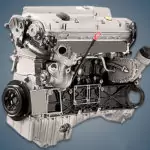
The main problem of power units of this series is numerous oil leaks.

One of the most reliable engines in its class rarely worries owners.
One of the most reliable engines in its class rarely worries owners.
One of the most reliable engines in its class rarely worries owners.
The main problem of power units of this series is numerous oil leaks.
The main problem of power units of this series is numerous oil leaks.

Most of all, grease leaks will cause you problems, and their number grows with mileage.
Most of all, grease leaks will cause you problems, and their number grows with mileage.

For iron, the motors are very reliable and have a resource of about 400 - 500 thousand km.

Increased vibrations in the operation of the motor negatively affect the resource of its supports.

The vibration load of this diesel engine affects the resource of its supports.
Most of all, grease leaks will cause you problems, and their number grows with mileage.
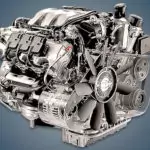
The signature failure of this series of engines is the destruction of the crankshaft pulley.
The signature failure of this series of engines is the destruction of the crankshaft pulley.
The signature failure of this series of engines is the destruction of the crankshaft pulley.

The main problem of the power units of this family is the huge oil consumption.
The main problem of the power units of this family is the huge oil consumption.

The most famous problem of the unit is the burnout of refractory washers under the nozzles. It is advisable to change them…

The problem with 5-cylinder diesel engines of the series is increased camshaft wear.

All known problems of this diesel engine are related to Common Rail fuel equipment.

The signature failure of this series of engines is the destruction of the crankshaft pulley.

The most famous engine problem is the stuck exhaust valves due to soot.

The motor is equipped with a reliable Bosch fuel system with electromagnetic injectors, but leaks at the injection pump seals or wear…

The main problems of this diesel engine are related to Common Rail fuel equipment.

the main diesel problems are related to the components of the common rail fuel system.

The weakest point of this power unit is its timing drive.
The weakest point of this power unit is its timing drive.
The weakest point of this power unit is its timing drive.

The unit is considered problematic and its weak point is timing drive.

This diesel engine has become more reliable than its predecessor, but still causes a lot of trouble.

The most famous problem of this diesel engine is leaking on the heat exchanger gaskets, and since it is in the collapse…
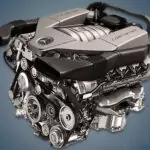
The most well-known problem with these engines is low camshaft life.

Until 2011, the main versions were equipped with a Delphi fuel system with piezo injectors, which were prone to leaks, which often…

This unit is often tuned and its resource depends on the degree of forcing.

The most problematic place of this power unit is the timing chain tensioners.
The most problematic place of this power unit is the timing chain tensioners.

Due to the design features of the motor, the timing chain tensioners quickly fail.

In engines until 2014, phase regulators began to crack rather quickly, then the manufacturer finalized the design and the resource increased to…
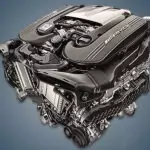
First of all, this engine does not like tuning very much; its connecting rods cannot withstand.

A well-known weak point of this diesel unit is the small resource of rockers.

So far, no design flaws have been noted on the specialized forums.

Most of the problems here are related to the Camtronic variable valve timing.

There are already cases of piston damage due to detonation caused by low-octane gasoline.