

Mazda FE 2.0l
Carburetor versions are difficult to set up, you will need a smart specialist.
The Kia Sportage is a compact crossover SUV from the South Korean automaker Kia Motors Corporation. Start of production – 1992. At the moment, the third and fourth generation of the Sportage are being released. Cars of the 1st and 2nd generation were also assembled at the Russian Avtokor in Kaliningrad. The 4th generation model is manufactured at factories in Korea, Kazakhstan, Slovakia and Indonesia with a 5-door and 5-seater body type.
The Kia Sportage was offered with 26 engines since 1993 (20 petrol, 6 diesel). Displacement ranges from 1.5 to 2.7 liters, power output from 58 to 280 hp. 19 use a timing chain and 9 a timing belt. 10 are turbocharged. The longest rated lifespan belongs to the Hyundai-Kia G4GC (about 500,000 km).
| Engine | Years | Volume | Power | Fuel | Timing | Oil | Lifespan |
|---|---|---|---|---|---|---|---|
| Kia Sportage 1 (JA) 1993–2006 | |||||||
| Mazda FE-DE | 1993–2006 | 2.0 L R4 | 130–150 hp | petrol | belt | 3.9 L | ~350,000 km |
| Kia FED | 1993–2006 | 2.0 L R4 | 128–140 hp | petrol | belt | 4.1 L | ~250,000 km |
| Mazda FE 2.0l | 1994–2003 | 2.0 L R4 | 80–135 hp | petrol, NA / turbo | belt | 3.9 L | ~300,000 km |
| Kia FEE | 1994–2003 | 2.0 L R4 | 95 hp | petrol | belt | 4.1 L | ~240,000 km |
| Mazda RF 2.0l | 1998–2003 | 2.0 L R4 | 58–92 hp | diesel, NA / turbo | belt | 5–5.5 L | ~300,000 km |
| Kia Sportage 2 (KM) 2004–2010 | |||||||
| Hyundai-Kia G4GC | 2004–2010 | 2.0 L R4 | 136–143 hp | petrol | chain + belt | 4.5 L | ~500,000 km |
| Hyundai-Kia D4EA | 2004–2010 | 2.0 L R4 | 112–150 hp | diesel, turbo | belt | 6.5 L | ~400,000 km |
| Hyundai-Kia G6BA | 2004–2010 | 2.7 L V6 | 165–182 hp | petrol | chain + belt | 5.5 L | ~400,000 km |
| Kia Sportage 3 (SL) 2010–2016 | |||||||
| Hyundai-Kia D4FD | 2010–2016 | 1.7 L R4 | 116–141 hp | diesel, turbo | chain | 5.7 L | ~350,000 km |
| Hyundai-Kia D4HA | 2010–2016 | 2.0 L R4 | 136–184 hp | diesel, turbo | chain | 8.8 L | ~400,000 km |
| Hyundai-Kia G4KE | 2010–2016 | 2.4 L R4 | 170–180 hp | petrol | chain | 5.2 L | ~300,000 km |
| Hyundai-Kia G4KH | 2010–2015 | 2.0 L R4 | 240–280 hp | petrol, turbo | chain | 6.1 L | ~200,000 km |
| Hyundai-Kia G4KD | 2010–2014 | 2.0 L R4 | 145–165 hp | petrol | chain | 4.5–6.5 L | ~300,000 km |
| Hyundai-Kia G4FD | 2010–2015 | 1.6 L R4 | 130–140 hp | petrol | chain | 4.2 L | ~300,000 km |
| Hyundai-Kia G4ND | 2013–2016 | 2.0 L R4 | 150–172 hp | petrol | chain | 4.8 L | ~300,000 km |
| Hyundai-Kia G4NC | 2014–2015 | 2.0 L R4 | 150–177 hp | petrol | chain | 4.6 L | ~300,000 km |
| Hyundai-Kia G4NA | 2014–2016 | 2.0 L R4 | 150–167 hp | petrol | chain | 4.5 L | ~300,000 km |
| Kia Sportage 4 (QL) 2015–present | |||||||
| Hyundai-Kia G4KJ | 2015–2021 | 2.4 L R4 | 180–201 hp | petrol | chain | 5.8 L | ~300,000 km |
| Hyundai-Kia G4FJ | 2015–present | 1.6 L R4 | 177–204 hp | petrol, turbo | chain | 5.1 L | ~250,000 km |
| Hyundai-Kia D4FE | 2018–2021 | 1.6 L R4 | 116–136 hp | diesel, turbo | chain | 4.4 L | ~250,000 km |
| Kia Sportage 5 (NQ5) 2020–present | |||||||
| Hyundai-Kia D4HD | 2020–present | 2.0 L R4 | 186 hp | diesel, turbo | belt | 5.6 L | ~300,000 km |
| Hyundai-Kia G4KN | 2021–present | 2.5 L R4 | 194 hp | petrol | chain | 6 L | ~250,000 km |
| Hyundai-Kia G4NL | 2021–present | 2.0 L R4 | 150 hp | petrol | chain | 4.8 L | ~200,000 km |
| Hyundai-Kia G4NR | 2022–present | 2.0 L R4 | 150 hp | petrol | chain | 4.3 L | ~250,000 km |
| Kia Sportage Ace 3 (NP) 2020–present | |||||||
| Hyundai G4FS | 2020–present | 1.5 L R4 | 170–200 hp | petrol, turbo | chain | 4.8 L | ~220,000 km |
| Hyundai-Kia G4NJ | 2021–present | 2.0 L R4 | 161 hp | petrol | chain | 4.3 L | ~250,000 km |
Kia Sportage 1 (JA) (1993–2006): Mazda FE-DE, Kia FED, Mazda FE 2.0l, Kia FEE and Mazda RF 2.0l; Kia Sportage 2 (KM) (2004–2010): Hyundai-Kia G4GC, Hyundai-Kia D4EA and Hyundai-Kia G6BA; Kia Sportage 3 (SL) (2010–2016): Hyundai-Kia D4FD, Hyundai-Kia D4HA, Hyundai-Kia G4KE, Hyundai-Kia G4KH, Hyundai-Kia G4KD, Hyundai-Kia G4FD, Hyundai-Kia G4ND, Hyundai-Kia G4NC and Hyundai-Kia G4NA; Kia Sportage 4 (QL) (2015–present): Hyundai-Kia G4KJ, Hyundai-Kia G4FJ and Hyundai-Kia D4FE; Kia Sportage 5 (NQ5) (2020–present): Hyundai-Kia D4HD, Hyundai-Kia G4KN, Hyundai-Kia G4NL and Hyundai-Kia G4NR; Kia Sportage Ace 3 (NP) (2020–present): Hyundai G4FS and Hyundai-Kia G4NJ.
By rated service life the most durable Kia Sportage engines are: Hyundai-Kia G4GC — about 500,000 km; Hyundai-Kia D4EA — about 400,000 km; Hyundai-Kia D4HA — about 400,000 km. Actual lifespan depends heavily on maintenance and oil change intervals.
Engine oil capacity with filter: Hyundai G4FS — 4.8 L (0W-20); Hyundai-Kia D4EA — 6.5 L (5W-30, 5W-40); Hyundai-Kia D4FD — 5.7 L (0W-30, 5W-30); Hyundai-Kia D4FE — 4.4 L (5W-30); Hyundai-Kia D4HA — 8.8 L (5W-30, 5W-40); Hyundai-Kia D4HD — 5.6 L (5W-30); Hyundai-Kia G4FD — 4.2 L (0W-30, 5W-30); Hyundai-Kia G4FJ — 5.1 L (0W-30, 5W-30); Hyundai-Kia G4GC — 4.5 L (5W-30, 5W-40); Hyundai-Kia G4KD — 4.5–6.5 L (5W-30, 5W-40); Hyundai-Kia G4KE — 5.2 L (5W-30, 5W-40); Hyundai-Kia G4KH — 6.1 L (5W-20, 5W-30); Hyundai-Kia G4KJ — 5.8 L (5W-20, 5W-30); Hyundai-Kia G4KN — 6 L (5W-30); Hyundai-Kia G4NA — 4.5 L (5W-20, 5W-30); Hyundai-Kia G4NC — 4.6 L (5W-20, 5W-30); Hyundai-Kia G4ND — 4.8 L (5W-20, 5W-30); Hyundai-Kia G4NJ — 4.3 L (0W-20); Hyundai-Kia G4NL — 4.8 L (0W-20, 5W-30); Hyundai-Kia G4NR — 4.3 L (0W-16); Hyundai-Kia G6BA — 5.5 L (5W-30, 5W-40); Kia FED — 4.1 L (5W-30); Kia FEE — 4.1 L (5W-30); Mazda FE 2.0l — 3.9 L (5W-30); Mazda FE-DE — 3.9 L (5W-30); Mazda RF 2.0l — 5–5.5 L (5W-30).
Timing chain: Hyundai G4FS, Hyundai-Kia D4FD, Hyundai-Kia D4FE, Hyundai-Kia D4HA, Hyundai-Kia G4FD, Hyundai-Kia G4FJ, Hyundai-Kia G4GC, Hyundai-Kia G4KD, Hyundai-Kia G4KE, Hyundai-Kia G4KH, Hyundai-Kia G4KJ, Hyundai-Kia G4KN, Hyundai-Kia G4NA, Hyundai-Kia G4NC, Hyundai-Kia G4ND, Hyundai-Kia G4NJ, Hyundai-Kia G4NL, Hyundai-Kia G4NR and Hyundai-Kia G6BA; timing belt: Hyundai-Kia D4EA, Hyundai-Kia D4HD, Hyundai-Kia G4GC, Hyundai-Kia G6BA, Kia FED, Kia FEE, Mazda FE 2.0l, Mazda FE-DE and Mazda RF 2.0l. Belts must be replaced on schedule: on many engines a broken belt bends the valves.
Yes: Hyundai-Kia D4EA, Hyundai-Kia D4FD, Hyundai-Kia D4FE, Hyundai-Kia D4HA, Hyundai-Kia D4HD and Mazda RF 2.0l.
Carburetor versions are difficult to set up, you will need a smart specialist.

These are simple and reliable diesel engines, most of their problems are due to old age.

The engines of this series are equipped with a 16-valve cylinder head, which is very afraid of overheating.

This is a reliable unit, but its aluminum cylinder head is afraid of overheating and cracks easily.

This is a simple and reliable motor, but it gives the car a very moderate dynamics.

This is a very reliable power unit with a huge resource, but it has a weak point: swirl flaps of the geometry…

This is a very reliable power unit with a long resource and without serious flaws. Its weak points include perhaps a rather…

This diesel engine is demanding on the maintenance schedule and the quality of the oil used, therefore, particularly economical owners often experience…

The most famous problem with Theta engines is the formation of scuffing in the cylinders due to the ingress of catalyst crumbs…
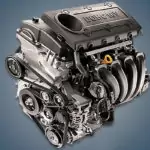
The main complaints about the powertrains of the Theta line are related to scuffing in the cylinders, which appear due to crumbs…

The Bosch CP4 common rail fuel system with piezo injectors is quite demanding on fuel quality and the high-pressure fuel pump fails…

The most common problem here is the rapid formation of carbon deposits on the intake valves, naturally this is due to the…

The most famous problem with this engine is the wedge due to the rotation of the liners and the reason for the…

The main problems for the owner are the rapid contamination of the intake manifold, equipped with swirl flaps. It has to be…

These turbo engines are very demanding on the quality of the oil and the procedure for replacing it, otherwise the risk of…

The most serious problem of this unit is the appearance of scoring in the cylinders. The reason is a weak catalyst, which…

The first years of production, candles often fell apart here and their fragments left scuffs, and pistons burst from detonation, and even…

It lifts them up in the same way as its counterparts in the series with distributed injection: it sucks the catalyst crumbs…

The main complaints of the owners of these engines are caused by the appearance of scuffing in the cylinders, which are formed…

So far, the main complaints on specialized forums are caused by the vagaries of the engine fuel system.

On specialized forums, the reviews are not bad, but they only complain about the Start-Stop system.

This motor began to be installed only recently and there are no statistics on its malfunctions yet.

This power unit has just appeared and there are no statistics of malfunctions yet.

American owners praise the engine and complain only about electrical glitches.

This diesel engine has appeared recently and all the malfunctions described below are still rare.

A simple naturally aspirated engine with port injection.