

Hyundai-Kia G4JS
This engine is demanding on the quality of the oil and, in particular, on its replacement intervals. Any savings here can lead…
The Kia Sorento is a Korean mid-size crossover SUV manufactured by the Kia Motors Corporation. Produced since 2002. The car is named after the Italian resort town.


The Kia Sorento was offered with 18 engines since 2002 (4 diesel, 14 petrol). Displacement ranges from 1.6 to 3.8 liters, power output from 116 to 350 hp. 15 use a timing chain and 3 a timing belt. 7 are turbocharged. The longest rated lifespan belongs to the Hyundai-Kia G4JS (about 500,000 km).
| Engine | Years | Volume | Power | Fuel | Timing | Oil | Lifespan |
|---|---|---|---|---|---|---|---|
| Kia Sorento 1 (BL) 2002–2009 | |||||||
| Hyundai-Kia D4CB | 2002–2009 | 2.5 L R4 | 116–177 hp | diesel, turbo | chain | 8.2 L | ~350,000 km |
| Hyundai-Kia G4JS | 2002–2006 | 2.4 L R4 | 140–150 hp | petrol | belt | 4.5 L | ~500,000 km |
| Hyundai-Kia G6CU | 2002–2006 | 3.5 L V6 | 195–220 hp | petrol | belt | 5.5 L | ~350,000 km |
| Hyundai-Kia G6DA | 2006–2009 | 3.8 L V6 | 240–284 hp | petrol | chain | 6 L | ~300,000 km |
| Hyundai-Kia G6DB | 2006–2009 | 3.3 L V6 | 233–259 hp | petrol | chain | 6 L | ~300,000 km |
| Kia Sorento 2 (XM) 2009–2017 | |||||||
| Hyundai-Kia D4HB | 2009–2014 | 2.2 L R4 | 150–200 hp | diesel, turbo | chain | 7.4–7.8 L | ~450,000 km |
| Hyundai-Kia G4KE | 2009–2017 | 2.4 L R4 | 170–180 hp | petrol | chain | 5.2 L | ~300,000 km |
| Hyundai-Kia G6DC | 2009–2014 | 3.5 L V6 | 250–290 hp | petrol | chain | 5.7 L | ~350,000 km |
| Hyundai-Kia D4HA | 2011–2014 | 2.0 L R4 | 136–184 hp | diesel, turbo | chain | 8.8 L | ~400,000 km |
| Hyundai-Kia G4KJ | 2012–2014 | 2.4 L R4 | 180–201 hp | petrol | chain | 5.8 L | ~300,000 km |
| Kia Sorento 3 (UM) 2014–2020 | |||||||
| Hyundai-Kia G4KH | 2014–2020 | 2.0 L R4 | 240–280 hp | petrol, turbo | chain | 6.1 L | ~200,000 km |
| Hyundai-Kia G6DH | 2014–2020 | 3.3 L V6 | 282–300 hp | petrol | chain | 6.5 L | ~300,000 km |
| Hyundai-Kia G6DF | 2014–2020 | 3.3 L V6 | 270 hp | petrol | chain | 6.5 L | ~350,000 km |
| Kia Sorento 4 (MQ4) 2020–present | |||||||
| Hyundai-Kia D4HE | 2020–present | 2.2 L R4 | 202 hp | diesel, turbo | belt | 5.6 L | ~350,000 km |
| Hyundai-Kia G4KP | 2020–present | 2.5 L R4 | 280–294 hp | petrol, turbo | chain | 6.2 L | ~200,000 km |
| Hyundai-Kia G4KM | 2020–present | 2.5 L R4 | 180 hp | petrol | chain | 5.9 L | ~250,000 km |
| Hyundai-Kia G6DU | 2020–present | 3.5 L V6 | 250–272 hp | petrol | chain | 6.1 L | ~300,000 km |
| Hyundai-Kia G4FT | 2020–present | 1.6 L R4 | 180–350 hp | petrol, turbo | chain | 4.8 L | ~250,000 km |
Kia Sorento 1 (BL) (2002–2009): Hyundai-Kia D4CB, Hyundai-Kia G4JS, Hyundai-Kia G6CU, Hyundai-Kia G6DA and Hyundai-Kia G6DB; Kia Sorento 2 (XM) (2009–2017): Hyundai-Kia D4HB, Hyundai-Kia G4KE, Hyundai-Kia G6DC, Hyundai-Kia D4HA and Hyundai-Kia G4KJ; Kia Sorento 3 (UM) (2014–2020): Hyundai-Kia G4KH, Hyundai-Kia G6DH and Hyundai-Kia G6DF; Kia Sorento 4 (MQ4) (2020–present): Hyundai-Kia D4HE, Hyundai-Kia G4KP, Hyundai-Kia G4KM, Hyundai-Kia G6DU and Hyundai-Kia G4FT.
By rated service life the most durable Kia Sorento engines are: Hyundai-Kia G4JS — about 500,000 km; Hyundai-Kia D4HB — about 450,000 km; Hyundai-Kia D4HA — about 400,000 km. Actual lifespan depends heavily on maintenance and oil change intervals.
Engine oil capacity with filter: Hyundai-Kia D4CB — 8.2 L (5W-30, 5W-40); Hyundai-Kia D4HA — 8.8 L (5W-30, 5W-40); Hyundai-Kia D4HB — 7.4–7.8 L (5W-30, 5W-40); Hyundai-Kia D4HE — 5.6 L (5W-30); Hyundai-Kia G4FT — 4.8 L (5W-30); Hyundai-Kia G4JS — 4.5 L (5W-30, 5W-40); Hyundai-Kia G4KE — 5.2 L (5W-30, 5W-40); Hyundai-Kia G4KH — 6.1 L (5W-20, 5W-30); Hyundai-Kia G4KJ — 5.8 L (5W-20, 5W-30); Hyundai-Kia G4KM — 5.9 L (5W-30); Hyundai-Kia G4KP — 6.2 L (0W-30); Hyundai-Kia G6CU — 5.5 L (5W-30, 5W-40); Hyundai-Kia G6DA — 6 L (5W-30, 5W-40); Hyundai-Kia G6DB — 6 L (5W-30, 5W-40); Hyundai-Kia G6DC — 5.7 L (5W-30); Hyundai-Kia G6DF — 6.5 L (5W-30); Hyundai-Kia G6DH — 6.5 L (5W-30); Hyundai-Kia G6DU — 6.1 L (5W-30).
Timing chain: Hyundai-Kia D4CB, Hyundai-Kia D4HA, Hyundai-Kia D4HB, Hyundai-Kia G4FT, Hyundai-Kia G4KE, Hyundai-Kia G4KH, Hyundai-Kia G4KJ, Hyundai-Kia G4KM, Hyundai-Kia G4KP, Hyundai-Kia G6DA, Hyundai-Kia G6DB, Hyundai-Kia G6DC, Hyundai-Kia G6DF, Hyundai-Kia G6DH and Hyundai-Kia G6DU; timing belt: Hyundai-Kia D4HE, Hyundai-Kia G4JS and Hyundai-Kia G6CU. Belts must be replaced on schedule: on many engines a broken belt bends the valves.
Yes: Hyundai-Kia D4CB, Hyundai-Kia D4HA, Hyundai-Kia D4HB and Hyundai-Kia D4HE.
This engine is demanding on the quality of the oil and, in particular, on its replacement intervals. Any savings here can lead…

A known weak point of this engine is the intake manifold swirl flaps. They loosen up quite quickly here and then air…

In 2008 and 2009, the engine was changed under warranty: a connecting rod broke due to defective bolts. In engines after 2011…

The bulk of the complaints from the owners are somehow connected with the oil burner and the reason for this is the…

The most famous problem of the motors of this line is a progressive oil burner and the main reason for this is…
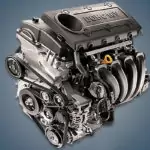
The main complaints about the powertrains of the Theta line are related to scuffing in the cylinders, which appear due to crumbs…

The Bosch CP4 common rail fuel system with piezo injectors is quite demanding on fuel quality and the high-pressure fuel pump fails…

This diesel engine is equipped with a Bosch CP4 Common Rail fuel system with piezo injectors, which does not tolerate bad diesel…

The most famous problem with this engine is the wedge due to the rotation of the liners and the reason for the…

On specialized forums, the most complaining about the progressive consumption of lubricant.

These turbo engines are very demanding on the quality of the oil and the procedure for replacing it, otherwise the risk of…
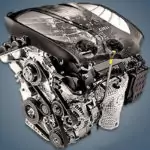
The bulk of complaints on specialized forums are related to oil consumption due to the occurrence of rings.

The bulk of complaints on specialized forums are related to high fuel or oil consumption.

This engine has just appeared and the statistics of its malfunctions have not yet been collected.

This diesel engine appeared quite recently and there is no information about its breakdowns.

The main problem of hybrids is not reliability, but the lack of service stations or spare parts.

This turbo engine has just appeared and it is too early to talk about its reliability.

While on specialized forums he is praised, including for moderate fuel consumption.