
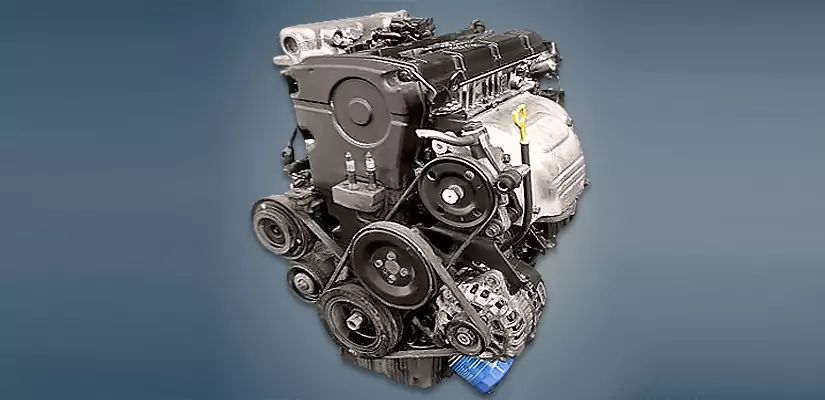
Hyundai G4CS
The most famous engine problem is the low resource of timing belts and balancers.
The Hyundai Grandeur is a South Korean 4-door business-class sedan from the Hyundai Motor Company. Began to be manufactured in 1986. Currently, since 2011, the fifth generation of the model is being produced. In 2017, the car was updated. However, official car sales in Russia have stopped since 2011 due to a decrease in demand. The translation of the model name from English means “grandeur”. Grandeur is available in three trim levels – Business, Elegance and Premium.
The Hyundai Grandeur was offered with 24 engines since 1986 (2 diesel, 22 petrol). Displacement ranges from 2.0 to 3.8 liters, power output from 95 to 300 hp. 15 use a timing chain and 10 a timing belt. 2 are turbocharged. The longest rated lifespan belongs to the Hyundai-Kia D4HB (about 450,000 km).
| Engine | Years | Volume | Power | Fuel | Timing | Oil | Lifespan |
|---|---|---|---|---|---|---|---|
| Hyundai Grandeur 1 (L) 1986–1992 | |||||||
| Hyundai G4CS | 1986–1992 | 2.4 L R4 | 110–120 hp | petrol | belt | 4.3 L | ~300,000 km |
| Hyundai-Kia G4CP | 1986–1992 | 2.0 L R4 | 95–145 hp | petrol | belt | 4 L | ~300,000 km |
| Hyundai-Kia G6CT | 1990–1992 | 3.0 L V6 | 185–205 hp | petrol | belt | 4.6 L | ~250,000 km |
| Hyundai Grandeur 2 (LX) 1994–1998 | |||||||
| Hyundai G6AU | 1994–1996 | 3.5 L V6 | 225 hp | petrol | belt | 4.3 L | ~200,000 km |
| Hyundai G6AV | 1995–1998 | 2.5 L V6 | 160–170 hp | petrol | belt | 4.6 L | ~200,000 km |
| Hyundai Grandeur 3 (XG) 1998–2005 | |||||||
| Hyundai-Kia G6BV | 1998–2005 | 2.5 L V6 | 160–170 hp | petrol | belt | 4.5 L | ~250,000 km |
| Hyundai G6BP | 1998–2005 | 2.0 L V6 | 137–148 hp | petrol | belt | 4.5 L | ~250,000 km |
| Hyundai-Kia G6CU | 2002–2005 | 3.5 L V6 | 195–220 hp | petrol | belt | 5.5 L | ~350,000 km |
| Hyundai Grandeur 4 (TG) 2005–2011 | |||||||
| Hyundai-Kia G4KC | 2005–2009 | 2.4 L R4 | 160–165 hp | petrol | chain | 5.3 L | ~350,000 km |
| Hyundai-Kia G6EA | 2005–2011 | 2.7 L V6 | 185–200 hp | petrol | chain + belt | 5.5 L | ~350,000 km |
| Hyundai-Kia G6DA | 2005–2011 | 3.8 L V6 | 240–284 hp | petrol | chain | 6 L | ~300,000 km |
| Hyundai-Kia G6DB | 2005–2011 | 3.3 L V6 | 233–259 hp | petrol | chain | 6 L | ~300,000 km |
| Hyundai D4EB | 2006–2010 | 2.2 L R4 | 150–155 hp | diesel, turbo | belt | 6.5 L | ~400,000 km |
| Hyundai-Kia G4KE | 2009–2011 | 2.4 L R4 | 170–180 hp | petrol | chain | 5.2 L | ~300,000 km |
| Hyundai Grandeur 5 (HG) 2011–2017 | |||||||
| Hyundai-Kia D4HB | 2011–2016 | 2.2 L R4 | 150–200 hp | diesel, turbo | chain | 7.4–7.8 L | ~450,000 km |
| Hyundai-Kia G4KK | 2011–2017 | 2.4 L R4 | petrol | chain | 4.6 L | ~270,000 km | |
| Hyundai-Kia G4KJ | 2011–2016 | 2.4 L R4 | 180–201 hp | petrol | chain | 5.8 L | ~300,000 km |
| Hyundai-Kia G6DH | 2011–2016 | 3.3 L V6 | 282–300 hp | petrol | chain | 6.5 L | ~300,000 km |
| Hyundai-Kia G6DG | 2011–2016 | 3.0 L V6 | 250–270 hp | petrol | chain | 6.9 L | ~320,000 km |
| Hyundai G6DE | 2012–2017 | 3.0 L V6 | 250 hp | petrol | chain | 5.2 L | ~350,000 km |
| Hyundai Grandeur 6 (IG) 2016–present | |||||||
| Hyundai-Kia G6DL | 2016–2019 | 3.0 L V6 | 265–270 hp | petrol | chain | 6.5 L | ~300,000 km |
| Hyundai-Kia G6DC | 2017–present | 3.5 L V6 | 250–290 hp | petrol | chain | 5.7 L | ~350,000 km |
| Hyundai-Kia G6DM | 2017–present | 3.3 L V6 | 285 hp | petrol | chain | 6.9 L | ~300,000 km |
| Hyundai-Kia G4KN | 2019–present | 2.5 L R4 | 194 hp | petrol | chain | 6 L | ~250,000 km |
Hyundai Grandeur 1 (L) (1986–1992): Hyundai G4CS, Hyundai-Kia G4CP and Hyundai-Kia G6CT; Hyundai Grandeur 2 (LX) (1994–1998): Hyundai G6AU and Hyundai G6AV; Hyundai Grandeur 3 (XG) (1998–2005): Hyundai-Kia G6BV, Hyundai G6BP and Hyundai-Kia G6CU; Hyundai Grandeur 4 (TG) (2005–2011): Hyundai-Kia G4KC, Hyundai-Kia G6EA, Hyundai-Kia G6DA, Hyundai-Kia G6DB, Hyundai D4EB and Hyundai-Kia G4KE; Hyundai Grandeur 5 (HG) (2011–2017): Hyundai-Kia D4HB, Hyundai-Kia G4KK, Hyundai-Kia G4KJ, Hyundai-Kia G6DH, Hyundai-Kia G6DG and Hyundai G6DE; Hyundai Grandeur 6 (IG) (2016–present): Hyundai-Kia G6DL, Hyundai-Kia G6DC, Hyundai-Kia G6DM and Hyundai-Kia G4KN.
By rated service life the most durable Hyundai Grandeur engines are: Hyundai-Kia D4HB — about 450,000 km; Hyundai D4EB — about 400,000 km; Hyundai G6DE — about 350,000 km. Actual lifespan depends heavily on maintenance and oil change intervals.
Engine oil capacity with filter: Hyundai D4EB — 6.5 L (5W-30, 5W-40); Hyundai G4CS — 4.3 L (10W-40); Hyundai G6AU — 4.3 L (5W-40); Hyundai G6AV — 4.6 L (5W-40); Hyundai G6BP — 4.5 L (5W-40); Hyundai G6DE — 5.2 L (5W-30); Hyundai-Kia D4HB — 7.4–7.8 L (5W-30, 5W-40); Hyundai-Kia G4CP — 4 L (10W-40); Hyundai-Kia G4KC — 5.3 L (5W-30, 5W-40); Hyundai-Kia G4KE — 5.2 L (5W-30, 5W-40); Hyundai-Kia G4KJ — 5.8 L (5W-20, 5W-30); Hyundai-Kia G4KK — 4.6 L (5W-30); Hyundai-Kia G4KN — 6 L (5W-30); Hyundai-Kia G6BV — 4.5 L (5W-40); Hyundai-Kia G6CT — 4.6 L (5W-40); Hyundai-Kia G6CU — 5.5 L (5W-30, 5W-40); Hyundai-Kia G6DA — 6 L (5W-30, 5W-40); Hyundai-Kia G6DB — 6 L (5W-30, 5W-40); Hyundai-Kia G6DC — 5.7 L (5W-30); Hyundai-Kia G6DG — 6.9 L (5W-30); Hyundai-Kia G6DH — 6.5 L (5W-30); Hyundai-Kia G6DL — 6.5 L (5W-30); Hyundai-Kia G6DM — 6.9 L (5W-30); Hyundai-Kia G6EA — 5.5 L (5W-30, 5W-40).
Timing chain: Hyundai G6DE, Hyundai-Kia D4HB, Hyundai-Kia G4KC, Hyundai-Kia G4KE, Hyundai-Kia G4KJ, Hyundai-Kia G4KK, Hyundai-Kia G4KN, Hyundai-Kia G6DA, Hyundai-Kia G6DB, Hyundai-Kia G6DC, Hyundai-Kia G6DG, Hyundai-Kia G6DH, Hyundai-Kia G6DL, Hyundai-Kia G6DM and Hyundai-Kia G6EA; timing belt: Hyundai D4EB, Hyundai G4CS, Hyundai G6AU, Hyundai G6AV, Hyundai G6BP, Hyundai-Kia G4CP, Hyundai-Kia G6BV, Hyundai-Kia G6CT, Hyundai-Kia G6CU and Hyundai-Kia G6EA. Belts must be replaced on schedule: on many engines a broken belt bends the valves.
Yes: Hyundai D4EB and Hyundai-Kia D4HB.
The most famous engine problem is the low resource of timing belts and balancers.

The main problems of the engine are associated with the low resource of the timing belt and balancer belt.

In the early years, the build quality of motors and some of their components was very poor.

The main problems of the engine are related to the quality of the assembly and its components.

The engines of the first years had problems with the quality of the assembly and its components.

The motor has flaps in the intake, and their bolts are unscrewed and fall into the cylinders.

The intake here is equipped with dampers, and their bolts are unscrewed and fall into the cylinders.

A known weak point of this engine is the intake manifold swirl flaps. They loosen up quite quickly here and then air…

To reduce vibrations, the motor was equipped with a block of balance shafts and an oil pump, in which the liners wear…

The bulk of the complaints from the owners are somehow connected with the oil burner and the reason for this is the…

The most famous problem of the motors of this line is a progressive oil burner and the main reason for this is…

This power unit does not tolerate low-quality fuels and lubricants, and also requires strict adherence to the maintenance regulations and the replacement…

Units of the Mu line are equipped with phase regulators, which often require attention. Usually the malfunction is expressed in the loud…
The main complaints about the powertrains of the Theta line are related to scuffing in the cylinders, which appear due to crumbs…

This diesel engine is equipped with a Bosch CP4 Common Rail fuel system with piezo injectors, which does not tolerate bad diesel…

The most famous problem with this engine is the wedge due to the rotation of the liners and the reason for the…

On specialized forums, the most complaining about the progressive consumption of lubricant.

The main problems are not their reliability, but the shortage of specialists or spare parts.

The most famous problem here is the oil burner due to the occurrence of piston rings.
The bulk of complaints on specialized forums are related to oil consumption due to the occurrence of rings.

The most famous problem with this motor is the progressive consumption of lubricant.

Like all GDi injection engines, it suffers from carbon deposits on the intake valves.

The main problem with GDi units is the formation of carbon deposits on intake valves.

This motor began to be installed only recently and there are no statistics on its malfunctions yet.