
Toyota 1C
The best-known problem of these diesels is cylinder head cracks caused by overheating.
The Toyota Camry is a Japanese compact and mid-size car produced by Toyota Motor Corporation since 1982. The car was produced in two body styles: narrow-body (compact) and wide-body (mid-size). In the compact body style, 6 generations were produced through 2003. The mid-size class Camry entered production in 1991. In 2017, their 6th generation came out. The name derives from the phonetic transcription of kanmuri, the Japanese word for “crown.”
The Toyota Camry was offered with 27 engines since 1984 (24 petrol, 3 diesel). Displacement ranges from 1.8 to 3.5 liters, power output from 65 to 315 hp. 12 use a timing chain and 15 a timing belt. 3 are turbocharged. The longest rated lifespan belongs to the Toyota 3S-FE (about 500,000 km).
| Engine | Years | Volume | Power | Fuel | Timing | Oil | Lifespan |
|---|---|---|---|---|---|---|---|
| Toyota Camry 1 (V10) 1984–1986 | |||||||
| Toyota 3S-GE | 1984–1986 | 2.0 L R4 | 135–210 hp | petrol | belt | 3.9–4.2 L | ~500,000 km |
| Toyota Camry 2 (V20) 1986–1992 | |||||||
| Toyota 3S-FE | 1986–1992 | 2.0 L R4 | 115–140 hp | petrol | belt | 3.9 L | ~500,000 km |
| Toyota 4S | 1986–1992 | 1.8 L R4 | 105–125 hp | petrol | belt | 3.9 L | ~350,000 km |
| Toyota 3S-FC | 1986–1992 | 2.0 L R4 | 111 hp | petrol | belt | 3.9 L | ~300,000 km |
| Toyota 2VZ-FE | 1988–1991 | 2.5 L V6 | 159 hp | petrol | belt | 3.9 L | ~250,000 km |
| Toyota 1VZ-FE | 1988–1991 | 2.0 L V6 | 136 hp | petrol | belt | 4.1 L | ~250,000 km |
| Toyota Camry V30 1990–1994 | |||||||
| Toyota 4S | 1990–1994 | 1.8 L R4 | 105–125 hp | petrol | belt | 3.9 L | ~350,000 km |
| Toyota 4VZ-FE | 1991–1994 | 2.5 L V6 | 173 hp | petrol | belt | 4 L | ~250,000 km |
| Toyota Camry 3 (XV10) 1991–1996 | |||||||
| Toyota 3VZ-FE | 1991–1996 | 3.0 L V6 | 185 hp | petrol | belt | 4.3 L | ~250,000 km |
| Toyota 5S-FE | 1991–1996 | 2.2 L R4 | 130–140 hp | petrol | belt | 4.1 L | ~500,000 km |
| Toyota 1MZ-FE | 1993–1996 | 3.0 L V6 | 168–220 hp | petrol | belt | 4.7 L | ~450,000 km |
| Toyota Camry V40 1994–1998 | |||||||
| Toyota 4S | 1994–1998 | 1.8 L R4 | 105–125 hp | petrol | belt | 3.9 L | ~350,000 km |
| Toyota 3C | 1994–1998 | 2.2 L R4 | 79–105 hp | diesel, NA / turbo | belt | 4.9–5.2 L | ~260,000 km |
| Toyota Camry XV20 1996–2001 | |||||||
| Toyota 2MZ-FE | 1996–2001 | 2.5 L V6 | 200–210 hp | petrol | belt | 4.7 L | ~300,000 km |
| Toyota Camry 5 (XV30) 2001–2006 | |||||||
| Toyota 2AZ-FE | 2001–2006 | 2.4 L R4 | 145–170 hp | petrol | chain | 4.3 L | ~350,000 km |
| Toyota 1AZ-FE | 2001–2006 | 2.0 L R4 | 134–152 hp | petrol | chain | 4.2 L | ~400,000 km |
| Toyota 3MZ-FE | 2004–2006 | 3.3 L V6 | 225–255 hp | petrol | belt | 4.7 L | ~400,000 km |
| Toyota Camry 6 (XV40) 2006–2011 | |||||||
| Toyota 2GR-FE | 2006–2011 | 3.5 L V6 | 250–280 hp | petrol | chain | 6.1 L | ~400,000 km |
| Toyota 2AZ-FXE | 2006–2011 | 2.4 L R4 | 131–150 hp | petrol | chain | 4.3 L | ~250,000 km |
| Toyota 2AR-FE | 2009–2011 | 2.5 L R4 | 169–181 hp | petrol | chain | 4.4 L | ~300,000 km |
| Toyota Camry 7 (XV50) 2011–2017 | |||||||
| Toyota 2AR-FXE | 2011–2017 | 2.5 L R4 | 152–161 hp | petrol | chain | 4.4 L | ~300,000 km |
| Toyota 6AR-FSE | 2014–2017 | 2.0 L R4 | 150–165 hp | petrol | chain | 4.4 L | ~250,000 km |
| Toyota 5AR-FE | 2015–2017 | 2.5 L R4 | 179 hp | petrol | chain | 4.4 L | ~300,000 km |
| Toyota Camry 8 (XV70) 2017–present | |||||||
| Toyota 2GR-FKS | 2017–present | 3.5 L V6 | 280–315 hp | petrol | chain | 5.5 L | ~300,000 km |
| Toyota A25A-FXS | 2017–present | 2.5 L R4 | 174–189 hp | petrol | chain | 4.5 L | ~250,000 km |
| Toyota A25A-FKS | 2017–present | 2.5 L R4 | 200–210 hp | petrol | chain | 4.5 L | ~250,000 km |
| Toyota M20A-FKS | 2018–present | 2.0 L R4 | 170–178 hp | petrol | chain | 4.3 L | ~250,000 km |
| Other Toyota Camry engines generation not specified | |||||||
| Toyota 1C | 1982–1992 | 1.8 L R4 | 65–73 hp | diesel, NA / turbo | belt | 3.8 L | ~230,000 km |
| Toyota 2C | 1983–2001 | 2.0 L R4 | 70–90 hp | diesel, NA / turbo | belt | 4.1–5 L | ~250,000 km |
Toyota Camry 1 (V10) (1984–1986): Toyota 3S-GE; Toyota Camry 2 (V20) (1986–1992): Toyota 3S-FE, Toyota 4S, Toyota 3S-FC, Toyota 2VZ-FE and Toyota 1VZ-FE; Toyota Camry V30 (1990–1994): Toyota 4S and Toyota 4VZ-FE; Toyota Camry 3 (XV10) (1991–1996): Toyota 3VZ-FE, Toyota 5S-FE and Toyota 1MZ-FE; Toyota Camry V40 (1994–1998): Toyota 4S and Toyota 3C; Toyota Camry XV20 (1996–2001): Toyota 2MZ-FE; Toyota Camry 5 (XV30) (2001–2006): Toyota 2AZ-FE, Toyota 1AZ-FE and Toyota 3MZ-FE; Toyota Camry 6 (XV40) (2006–2011): Toyota 2GR-FE, Toyota 2AZ-FXE and Toyota 2AR-FE; Toyota Camry 7 (XV50) (2011–2017): Toyota 2AR-FXE, Toyota 6AR-FSE and Toyota 5AR-FE; Toyota Camry 8 (XV70) (2017–present): Toyota 2GR-FKS, Toyota A25A-FXS, Toyota A25A-FKS and Toyota M20A-FKS.
By rated service life the most durable Toyota Camry engines are: Toyota 3S-FE — about 500,000 km; Toyota 3S-GE — about 500,000 km; Toyota 5S-FE — about 500,000 km. Actual lifespan depends heavily on maintenance and oil change intervals.
Engine oil capacity with filter: Toyota 1AZ-FE — 4.2 L (0W-30, 5W-30); Toyota 1C — 3.8 L (5W-40); Toyota 1MZ-FE — 4.7 L (5W-30); Toyota 1VZ-FE — 4.1 L (5W-30); Toyota 2AR-FE — 4.4 L (5W-30); Toyota 2AR-FXE — 4.4 L (5W-30); Toyota 2AZ-FE — 4.3 L (5W-20, 5W-30); Toyota 2AZ-FXE — 4.3 L (5W-30); Toyota 2C — 4.1–5 L (5W-40); Toyota 2GR-FE — 6.1 L (5W-20, 5W-30); Toyota 2GR-FKS — 5.5 L (0W-20); Toyota 2MZ-FE — 4.7 L (5W-30); Toyota 2VZ-FE — 3.9 L (5W-30); Toyota 3C — 4.9–5.2 L (5W-40); Toyota 3MZ-FE — 4.7 L (5W-30); Toyota 3S-FC — 3.9 L (5W-30); Toyota 3S-FE — 3.9 L (5W-30, 5W-40); Toyota 3S-GE — 3.9–4.2 L (5W-30, 5W-40); Toyota 3VZ-FE — 4.3 L (5W-30); Toyota 4S — 3.9 L (5W-30, 5W-40); Toyota 4VZ-FE — 4 L (5W-30); Toyota 5AR-FE — 4.4 L (5W-30); Toyota 5S-FE — 4.1 L (5W-30, 5W-40); Toyota 6AR-FSE — 4.4 L (5W-30); Toyota A25A-FKS — 4.5 L (0W-20); Toyota A25A-FXS — 4.5 L (0W-20); Toyota M20A-FKS — 4.3 L (0W-20).
Timing chain: Toyota 1AZ-FE, Toyota 2AR-FE, Toyota 2AR-FXE, Toyota 2AZ-FE, Toyota 2AZ-FXE, Toyota 2GR-FE, Toyota 2GR-FKS, Toyota 5AR-FE, Toyota 6AR-FSE, Toyota A25A-FKS, Toyota A25A-FXS and Toyota M20A-FKS; timing belt: Toyota 1C, Toyota 1MZ-FE, Toyota 1VZ-FE, Toyota 2C, Toyota 2MZ-FE, Toyota 2VZ-FE, Toyota 3C, Toyota 3MZ-FE, Toyota 3S-FC, Toyota 3S-FE, Toyota 3S-GE, Toyota 3VZ-FE, Toyota 4S, Toyota 4VZ-FE and Toyota 5S-FE. Belts must be replaced on schedule: on many engines a broken belt bends the valves.
The best-known problem of these diesels is cylinder head cracks caused by overheating.

The cylinder head does not last long here and often cracks from overheating.

All engines of this series are very reliable, but there is one weak point: at around 200,000 km, oil consumption often reaches…

The main engine problems stem from difficulties in properly tuning the carburetor.


Injection pump failure. It is accompanied by gasoline leaking into the crankcase and damage to the pistons and connecting rods. The main…

The best-known problem is cylinder head cracking caused by a blown gasket.

In these engines, the cylinder head often cracked as a result of a blown head gasket.

This is one of the most trouble-free engines, but by 200,000 km oil consumption often begins. Only replacing the oil control rings…

Overheating often blows the head gasket and cracks the cylinder head.

As a result of head gasket failure and subsequent overheating, the cylinder head often cracked.

The main problem of this diesel is frequent cracking of the cylinder head due to overheating.

At high mileage, the engine often starts burning a lot of oil.

Oil consumption is common, mainly at high mileage.

Early engines used cylinder head bolts with threads that were too short, which led to head gasket failure and an emulsion in…


Until 2007, coolant leaks occurred due to stripped cylinder head bolt threads.

At high mileage, heavy oil consumption often begins.

On engines built before 2010, the oil feed line to the VVT-i units had a rubber section that could burst, and the…


Engine reliability is high, with virtually no weak points.

In terms of reliability, this is one of the best engines of its time.

The engine is quite reliable and has practically no weak points.

The engine is considered reliable, and no serious failures have been reported.
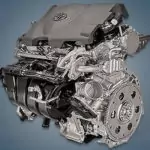
Most complaints on specialist forums relate to various knocks or noises from the engine bay.

Like all engines with D-4S injection, it is quite demanding on fuel quality.

So far, most complaints on specialist forums concern noisy running.
The most complete catalog of car and truck engines: specifications, oil capacity, timing drive, typical problems and lifespan.
We use cookies for website statistics (Yandex Metrica) and advertising (Google AdSense). Details are in our privacy policy.