

Mercedes OM617
Diesel engines until 1979 often had cracks in the block in the region of the fifth cylinder and the crankshaft burst. There…
The Mercedes-Benz S-Class is the flagship series of German full-size luxury cars produced by Mercedes-Benz since 1972. In literal translation, the car is designated as a “special class”. Since 2013, 6th generation S-class cars have been produced. The main market competitors of the model are BMW 7, Audi A8, Maserati Quattroporte, Jaguar XJ and Lexus LS. The main production facilities are located in Germany and Mexico. Also cars are produced in India, USA, Thailand, Indonesia, Malaysia and South Africa.
The Mercedes-Benz S-Class was offered with 35 engines since 1977 (25 petrol, 10 diesel). Displacement ranges from 0.6 to 7.3 liters, power output from 80 to 670 hp. All of them use a timing chain. 16 are turbocharged. The longest rated lifespan belongs to the Mercedes M104 E28 (about 500,000 km).
| Engine | Years | Volume | Power | Fuel | Timing | Oil | Lifespan |
|---|---|---|---|---|---|---|---|
| Mercedes-Benz S-Class W116 1977–1980 | |||||||
| Mercedes OM617 | 1977–1980 | 0.6–3.0 L R5 | 80–125 hp | diesel | chain | 6.5 L | |
| Mercedes-Benz S-Class W126 1979–1991 | |||||||
| Mercedes OM617 | 1979–1985 | 0.6–3.0 L R5 | 80–125 hp | diesel | chain | 6.5 L | |
| Mercedes OM603 | 1985–1991 | 3.0–3.4 L R6 | 109–150 hp | diesel, NA / turbo | chain | 7.5 L | ~450,000 km |
| Mercedes M103 E26 | 1985–1991 | 2.6 L R6 | 160–165 hp | petrol | chain | 6 L | ~450,000 km |
| Mercedes M103 E30 | 1985–1991 | 3.0 L R6 | 180–190 hp | petrol | chain | 6 L | ~450,000 km |
| Mercedes-Benz S-Class W140 1991–1998 | |||||||
| Mercedes M119 E50 | 1991–1998 | 5.0 L V8 | 320 hp | petrol | chain | 8 L | ~450,000 km |
| Mercedes M119 E42 | 1991–1998 | 4.2 L V8 | 272–286 hp | petrol | chain | 6.5 L | ~400,000 km |
| Mercedes M104 E32 | 1991–1998 | 3.2 L R6 | 220–230 hp | petrol | chain | 7 L | ~500,000 km |
| Mercedes OM603 | 1992–1996 | 3.0–3.4 L R6 | 109–150 hp | diesel, NA / turbo | chain | 7.5 L | ~450,000 km |
| Mercedes M104 E28 | 1992–1998 | 2.8 L R6 | 193–197 hp | petrol | chain | 7 L | ~500,000 km |
| Mercedes M120 | 1992–1998 | 6.0–7.3 L V12 | 394–525 hp | petrol | chain | 9.5 L | ~300,000 km |
| Mercedes OM606 | 1996–1998 | 3.0 L R6 | 136–177 hp | diesel, NA / turbo | chain | 7.5 L | ~500,000 km |
| Mercedes-Benz S-Class W220 1998–2006 | |||||||
| Mercedes M112 E32 | 1998–2002 | 3.2 L V6 | 190–354 hp | petrol | chain | 7.5 L | ~350,000 km |
| Mercedes M112 E28 | 1998–2005 | 2.8 L V6 | 197–204 hp | petrol | chain | 7.5 L | ~330,000 km |
| Mercedes M113 E43 | 1998–2005 | 4.3 L V8 | 272–306 hp | petrol | chain | 8 L | ~300,000 km |
| Mercedes OM613 | 1999–2003 | 3.2 L R6 | 197 hp | diesel, turbo | chain | 7.5 L | ~400,000 km |
| Mercedes OM628 | 1999–2005 | 4.0 L V8 | 250–260 hp | diesel, turbo | chain | 10.5 L | ~300,000 km |
| Mercedes M113 E50 | 1999–2006 | 5.0 L V8 | 296–306 hp | petrol | chain | 8 L | ~350,000 km |
| Mercedes M137 | 1999–2002 | 5.8–6.3 L V12 | 367–444 hp | petrol | chain | 9 L | ~300,000 km |
| Mercedes OM648 | 2002–2006 | 3.2 L R6 | 177–204 hp | diesel, turbo | chain | 7.5 L | ~400,000 km |
| Mercedes M112 E37 | 2002–2005 | 3.7 L V6 | 231–245 hp | petrol | chain | 7.5 L | ~360,000 km |
| Mercedes M275 | 2002–2005 | 5.5–6.0 L V12 | 500–670 hp | petrol, turbo | chain | 9.5 L | ~280,000 km |
| Mercedes-Benz S-Class W221 2005–2013 | |||||||
| Mercedes OM629 | 2005–2010 | 4.0 L V8 | 306–320 hp | diesel, turbo | chain | 10.5 L | ~280,000 km |
| Mercedes M273 | 2005–2011 | 4.7–5.5 L V8 | 340–388 hp | petrol | chain | 8.5 L | ~350,000 km |
| Mercedes M272 E35 | 2005–2011 | 3.5 L V6 | 258–292 hp | petrol | chain | 8 L | ~320,000 km |
| Mercedes OM642 | 2006–2013 | 3.0 L V6 | 184–265 hp | diesel, turbo | chain | 8–12 L | ~450,000 km |
| Mercedes M275 | 2006–2013 | 5.5–6.0 L V12 | 500–670 hp | petrol, turbo | chain | 9.5 L | ~280,000 km |
| Mercedes M156 | 2006–2010 | 6.2 L V8 | 457–525 hp | petrol | chain | 9 L | ~250,000 km |
| Mercedes M272 E30 | 2007–2013 | 3.0 L V6 | 231 hp | petrol | chain | 8 L | ~300,000 km |
| Mercedes M157 DE55 | 2010–2013 | 5.5 L V8 | 525–585 hp | petrol, turbo | chain | 8.5 L | ~250,000 km |
| Mercedes OM651 | 2011–2013 | 1.8–2.1 L R4 | 95–204 hp | diesel | chain + gears | 6.5 L | ~400,000 km |
| Mercedes M278 DE46 | 2011–2013 | 4.7 L V8 | 367–455 hp | petrol, turbo | chain | 8.5 L | ~300,000 km |
| Mercedes M276 DE35 | 2011–2013 | 3.5 L V6 | 252–333 hp | petrol, NA / turbo | chain | 8 L | ~300,000 km |
| Mercedes-Benz S-Class W222 2013–present | |||||||
| Mercedes OM642 | 2013–2017 | 3.0 L V6 | 184–265 hp | diesel, turbo | chain | 8–12 L | ~450,000 km |
| Mercedes M278 DE46 | 2013–2017 | 4.7 L V8 | 367–455 hp | petrol, turbo | chain | 8.5 L | ~300,000 km |
| Mercedes M157 DE55 | 2013–2017 | 5.5 L V8 | 525–585 hp | petrol, turbo | chain | 8.5 L | ~250,000 km |
| Mercedes M276 DE35 | 2013–2017 | 3.5 L V6 | 252–333 hp | petrol, NA / turbo | chain | 8 L | ~300,000 km |
| Mercedes OM651 | 2014–2017 | 1.8–2.1 L R4 | 95–204 hp | diesel | chain + gears | 6.5 L | ~400,000 km |
| Mercedes M279 E60 | 2014–present | 6.0 L V12 | 530–630 hp | petrol, turbo | chain | 10.5 L | ~270,000 km |
| Mercedes M276 DE30 | 2014–2020 | 3.0 L V6 | 272–367 hp | petrol, turbo | chain | 8 L | ~250,000 km |
| Mercedes OM656 | 2017–2020 | 2.9 L R6 | 272–340 hp | diesel, turbo | chain | 8.5 L | ~250,000 km |
| Mercedes M256 E30 | 2017–2020 | 3.0 L R6 | 367–435 hp | petrol, turbo | chain | 6.5 L | ~250,000 km |
| Mercedes M177 | 2017–2020 | 4.0 L V8 | 476–639 hp | petrol, turbo | chain | 9 L | ~250,000 km |
| Mercedes-Benz S-Class W223 2020–present | |||||||
| Mercedes OM656 | 2020–present | 2.9 L R6 | 272–340 hp | diesel, turbo | chain | 8.5 L | ~250,000 km |
| Mercedes M256 E30 | 2020–present | 3.0 L R6 | 367–435 hp | petrol, turbo | chain | 6.5 L | ~250,000 km |
Mercedes-Benz S-Class W116 (1977–1980): Mercedes OM617; Mercedes-Benz S-Class W126 (1979–1991): Mercedes OM617, Mercedes OM603, Mercedes M103 E26 and Mercedes M103 E30; Mercedes-Benz S-Class W140 (1991–1998): Mercedes M119 E50, Mercedes M119 E42, Mercedes M104 E32, Mercedes OM603, Mercedes M104 E28, Mercedes M120 and Mercedes OM606; Mercedes-Benz S-Class W220 (1998–2006): Mercedes M112 E32, Mercedes M112 E28, Mercedes M113 E43, Mercedes OM613, Mercedes OM628, Mercedes M113 E50, Mercedes M137, Mercedes OM648, Mercedes M112 E37 and Mercedes M275; Mercedes-Benz S-Class W221 (2005–2013): Mercedes OM629, Mercedes M273, Mercedes M272 E35, Mercedes OM642, Mercedes M275, Mercedes M156, Mercedes M272 E30, Mercedes M157 DE55, Mercedes OM651, Mercedes M278 DE46 and Mercedes M276 DE35; Mercedes-Benz S-Class W222 (2013–present): Mercedes OM642, Mercedes M278 DE46, Mercedes M157 DE55, Mercedes M276 DE35, Mercedes OM651, Mercedes M279 E60, Mercedes M276 DE30, Mercedes OM656, Mercedes M256 E30 and Mercedes M177; Mercedes-Benz S-Class W223 (2020–present): Mercedes OM656 and Mercedes M256 E30.
By rated service life the most durable Mercedes-Benz S-Class engines are: Mercedes M104 E28 — about 500,000 km; Mercedes M104 E32 — about 500,000 km; Mercedes OM606 — about 500,000 km. Actual lifespan depends heavily on maintenance and oil change intervals.
Engine oil capacity with filter: Mercedes M103 E26 — 6 L (5W-40); Mercedes M103 E30 — 6 L (5W-40); Mercedes M104 E28 — 7 L (5W-40); Mercedes M104 E32 — 7 L (5W-40); Mercedes M112 E28 — 7.5 L (5W-30); Mercedes M112 E32 — 7.5 L (5W-30); Mercedes M112 E37 — 7.5 L (5W-30); Mercedes M113 E43 — 8 L (5W-40); Mercedes M113 E50 — 8 L (5W-40); Mercedes M119 E42 — 6.5 L (5W-40); Mercedes M119 E50 — 8 L (5W-40); Mercedes M120 — 9.5 L (5W-40); Mercedes M137 — 9 L (5W-40); Mercedes M156 — 9 L (0W-40); Mercedes M157 DE55 — 8.5 L (0W-40); Mercedes M177 — 9 L (0W-40); Mercedes M256 E30 — 6.5 L (5W-30); Mercedes M272 E30 — 8 L (5W-30); Mercedes M272 E35 — 8 L (5W-30); Mercedes M273 — 8.5 L (5W-40); Mercedes M275 — 9.5 L (5W-40); Mercedes M276 DE30 — 8 L (5W-30); Mercedes M276 DE35 — 8 L (5W-30); Mercedes M278 DE46 — 8.5 L (0W-40); Mercedes M279 E60 — 10.5 L (5W-30); Mercedes OM603 — 7.5 L (5W-40); Mercedes OM606 — 7.5 L (5W-40); Mercedes OM613 — 7.5 L (5W-30); Mercedes OM617 — 6.5 L (10W-40, MB 228.1/229.1); Mercedes OM628 — 10.5 L (5W-30); Mercedes OM629 — 10.5 L (5W-30); Mercedes OM642 — 8–12 L (5W-30, MB 228.51/229.51); Mercedes OM648 — 7.5 L (5W-30); Mercedes OM651 — 6.5 L (5W-30); Mercedes OM656 — 8.5 L (5W-30).
Timing chain: Mercedes M103 E26, Mercedes M103 E30, Mercedes M104 E28, Mercedes M104 E32, Mercedes M112 E28, Mercedes M112 E32, Mercedes M112 E37, Mercedes M113 E43, Mercedes M113 E50, Mercedes M119 E42, Mercedes M119 E50, Mercedes M120, Mercedes M137, Mercedes M156, Mercedes M157 DE55, Mercedes M177, Mercedes M256 E30, Mercedes M272 E30, Mercedes M272 E35, Mercedes M273, Mercedes M275, Mercedes M276 DE30, Mercedes M276 DE35, Mercedes M278 DE46, Mercedes M279 E60, Mercedes OM603, Mercedes OM606, Mercedes OM613, Mercedes OM617, Mercedes OM628, Mercedes OM629, Mercedes OM642, Mercedes OM648, Mercedes OM651 and Mercedes OM656; gear drive: Mercedes OM651.
Yes: Mercedes OM603, Mercedes OM606, Mercedes OM613, Mercedes OM617, Mercedes OM628, Mercedes OM629, Mercedes OM642, Mercedes OM648, Mercedes OM651 and Mercedes OM656.
Diesel engines until 1979 often had cracks in the block in the region of the fifth cylinder and the crankshaft burst. There…

This diesel unit is very vibroloaded, which affects the resource of its pillows.

Most often, car owners with such a power unit are faced with lubricant leaks.
Most often, car owners with such a power unit are faced with lubricant leaks.

One of the most reliable engines in its class rarely worries owners.
One of the most reliable engines in its class rarely worries owners.
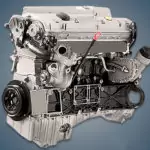
The main problem of power units of this series is numerous oil leaks.

This is a hot motor and with a lack of cooling, its gaskets quickly collapse.
The main problem of power units of this series is numerous oil leaks.

The vibration load of this diesel engine affects the resource of its supports.
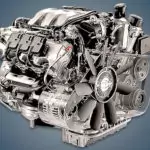
The signature failure of this series of engines is the destruction of the crankshaft pulley.
The signature failure of this series of engines is the destruction of the crankshaft pulley.

The main problem of the power units of this family is the huge oil consumption.
The main problem of the power units of this family is the huge oil consumption.

Most often, the network complains about regular oil leaks due to the destruction of gaskets.

All known problems of this diesel engine are related to Common Rail fuel equipment.

The signature failure of this series of engines is the destruction of the crankshaft pulley.

The most famous problem with this engine is the impressive oil consumption.

the main diesel problems are related to the components of the common rail fuel system.

The weakest point of this power unit is its timing drive.
The weakest point of this power unit is its timing drive.

The unit is considered problematic and its weak point is timing drive.

This diesel engine has become more reliable than its predecessor, but still causes a lot of trouble.

The most famous problem of this diesel engine is leaking on the heat exchanger gaskets, and since it is in the collapse…
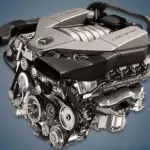
The most well-known problem with these engines is low camshaft life.

Until 2011, the main versions were equipped with a Delphi fuel system with piezo injectors, which were prone to leaks, which often…

This unit is often tuned and its resource depends on the degree of forcing.

The most problematic place of this power unit is the timing chain tensioners.
The most problematic place of this power unit is the timing chain tensioners.

Due to the design features of the motor, the timing chain tensioners quickly fail.

Finally expensive ignition blocks are a thing of the past and now there are dual coils.
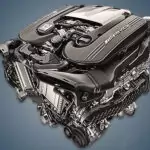
First of all, this engine does not like tuning very much; its connecting rods cannot withstand.

So far, no design flaws have been noted on the specialized forums.

Most of the problems here are related to the Camtronic variable valve timing.