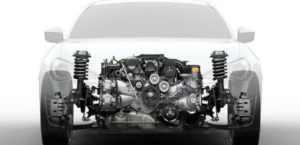

The 1.4-liter General Motors LV7 engine was produced at a plant in Korea from 2015 to 2022 and was installed only in the fourth generation of the popular Chevrolet Spark compact model. This atmospheric unit is highly reliable and has a fairly decent resource.
Small Gasoline Engine family: LV7, LE2, L3A, LFV, LSD, LYX.
Specifications
| Production years | 2015-2022 |
| Displacement, cc | 1399 |
| Fuel system | distributed injection |
| Power output, hp | 98 |
| Torque output, Nm | 128 |
| Cylinder block | aluminum R4 |
| Block head | aluminum 16v |
| Cylinder bore, mm | 74 |
| Piston stroke, mm | 81.3 |
| Compression ratio | 10.6 |
| Features | DOHC |
| Hydraulic lifters | yes |
| Timing drive | chain |
| Phase regulator | Dual VVT |
| Turbocharging | no |
| Recommended engine oil | 5W-30 |
| Engine oil capacity, liter | 3.5 |
| Fuel type | petrol |
| Euro standards | EURO 5 |
| Fuel consumption, L/100 km (for Chevrolet Spark 2018) — city — highway — combined |
7.8 6.2 7.1 |
| Engine lifespan, km | ~300 000 |
| Weight, kg | 98 |
The engine was installed on:
- Chevrolet Spark 4 (M400) in 2015 – 2022.
Disadvantages of the GM LV7 engine
- This is a simple and reliable atmospheric engine and it has no weak points.
- On specialized forums, they mostly praise him and complain only about rare glitches in electrical.
- There is a distributed fuel injection and this unit does not suffer from soot on the valves.
- The timing chain is thin, but even with aggressive driving it stretches after 150,000 km.
- Closer to 200,000 km, oil consumption occurs due to oil scraper rings.


can this be added with Turbo charger in any way? this might be a good candidate for small powerful engine