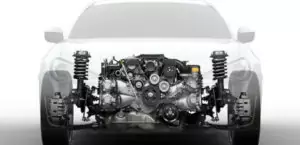

The 3.0-liter Audi CGWA 3.0 TFSI engine was assembled at the concern’s factories from 2009 to 2013 and was installed on the fourth-generation all-wheel drive modification of the A8 model before restyling. This power unit was essentially a slightly updated version of the engine under the CAJA index.
The EA837 series includes: BDW, AUK, BDX, CAJA, CGWA, CGWB, CREC.
Specifications
| Production years | 2009-2013 |
| Displacement, cc | 2995 |
| Fuel system | direct injection |
| Power output, hp | 290 |
| Torque output, Nm | 420 |
| Cylinder block | aluminum V6 |
| Block head | aluminum 24v |
| Cylinder bore, mm | 84.5 |
| Piston stroke, mm | 89 |
| Compression ratio | 10.5 |
| Features | DOHC |
| Hydraulic lifters | yes |
| Timing drive | 4 chains |
| Phase regulator | on the intake shafts |
| Turbocharging | compressor |
| Recommended engine oil | 5W-30 |
| Engine oil capacity, liter | 6.5 |
| Fuel type | petrol |
| Euro standards | EURO 5 |
| Fuel consumption, L/100 km (for Audi A8 2011) — city — highway — combined |
12.9 6.9 9.1 |
| Engine lifespan, km | ~240 000 |
The engine was installed on:
- Audi A8 D4 (4H) in 2010 – 2013.
Disadvantages of the Audi CGWA engine
- Most often, owners of A8 with such an engine complain about increased oil consumption.
- The reason is usually scuffing from catalyst crumbs that are drawn into the cylinders.
- Since there are no check valves for the cylinder head oil channels, the chains crack during a cold start.
- Another culprit for the noise of the timing chains here can be the wear of the hydraulic tensioner.
- The pump, high-pressure fuel pump have a low resource, and muffler corrugations often burn out.


